
Can you detect black mold without seeing it?

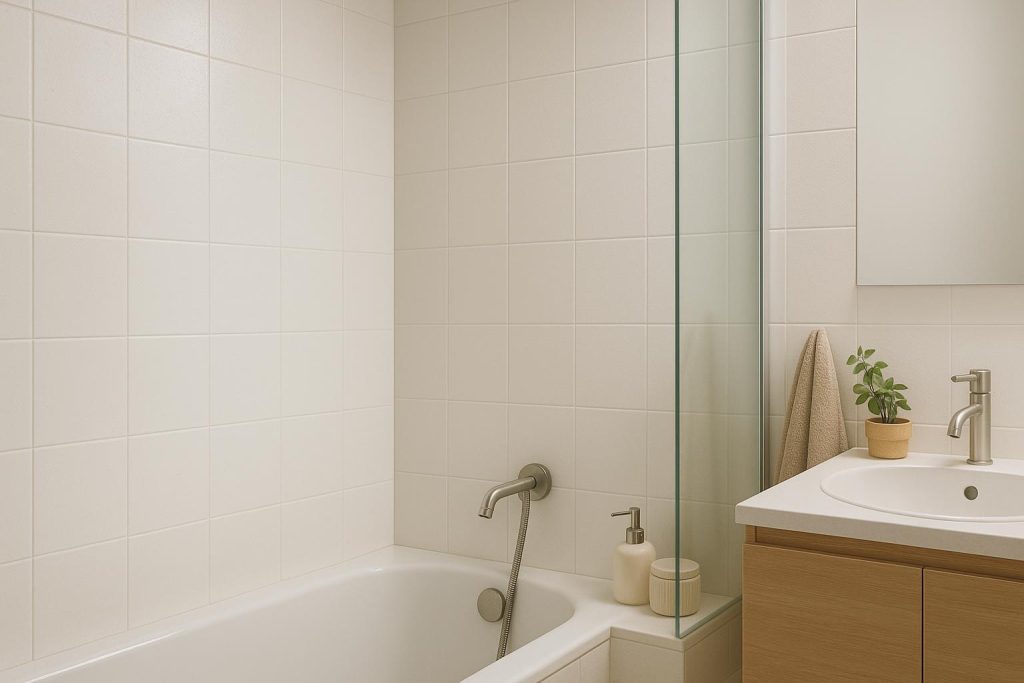
Modern white-tiled bathroom corner with moisture visible, highlighting black mold concerns.

How to Detect Black Mold Without Actually Seeing It

It is possible to suspect the presence of black mold even if you cannot spot it. One common indicator is a persistent musty or earthy smell lingering in certain rooms or areas of your home. Mold thrives in damp environments, and its spores can release odors that linger in the air. If you notice a strong, unpleasant smell that seems to worsen after rainfall or in areas prone to moisture—such as bathrooms, basements, or near leaking pipes—there is a chance that black mold could be hidden behind drywall, inside vents, or under flooring.

Another sign you might be dealing with mold is the onset of allergy-like symptoms, particularly if they worsen when you spend time in specific areas of your house. These symptoms often include sneezing, coughing, itchy eyes, and respiratory irritation. If these issues consistently flare up while at home and improve once you leave, you may want to investigate possible mold sources. Monitoring humidity levels is also important because mold grows rapidly in damp conditions. Consider using a hygrometer to ensure relative humidity in your home stays below 50%. Additionally, keep an eye out for water stains or peeling paint on walls and ceilings, as these could indicate hidden moisture problems that create a perfect breeding ground for mold.

While professional mold testing is the surest way to confirm the presence of black mold, thorough cleaning can help you uncover areas that might harbor hidden colonies. Pay special attention to dark corners, behind appliances, and near any signs of water damage. If you live in a humid climate or suspect mold in hard-to-reach spots, you might look into a detailed cleaning routine that addresses every nook and cranny. For a comprehensive approach, consider our Residential Cleaning services, which can help highlight issues like persistent dampness or suspicious odors that merit further investigation. If you have ongoing concerns, you can also contact us for more information. Taking these preventative steps not only improves indoor air quality but also helps maintain a healthier home environment in the long run.

Related FAQs

Understanding Black Mold: Is Professional Removal Necessary? Black mold is a phrase that tends to cause alarm, largely because of its reputation for potentially serious health risks and the challenge of thoroughly removing it from your home. But how much do you actually know about black mold—what it is, how it forms, and when you […]

Preventing Black Mould from Coming Back: Effective Strategies for a Healthier Home Black mould is a persistent and sometimes alarming issue in households, especially in humid or poorly ventilated areas. Not only can it be unsightly, but it may also present potential health concerns if left untreated. Fortunately, understanding how to stop black mould from […]

Understanding the Link Between Humidity and Black Mold Growth Black mold can be a significant concern for many homeowners. It is often associated with unsightly stains, unpleasant odors, and potential health effects. One of the common inquiries people have is whether high humidity really causes black mold to grow or if there are other factors […]

Understanding Why Black Mould Keeps Coming Back Black mould (commonly spelled “black mold” in some regions) can be a persistent and frustrating household issue. It might disappear with your initial cleaning attempts, but before you know it, those dark, unsightly spots return. While it can be tempting to simply wipe it away again, understanding the […]

Understanding the Environmental Conditions Black Mould Requires Black mould, often referred to as Stachybotrys chartarum, is a type of fungus that can appear in homes and buildings under the right circumstances. It is frequently found in damp or humid areas where stagnant moisture meets materials that mould can feed on. Although the phrase “black mould” […]

Understanding How Quickly Black Mold Spreads If Left Untreated Black mold, commonly referred to by its scientific name Stachybotrys chartarum, is often feared for good reason: its ability to spread rapidly and its potential to harm both structures and occupants in a home or building. Most types of mold thrive in warm, damp environments, making […]