
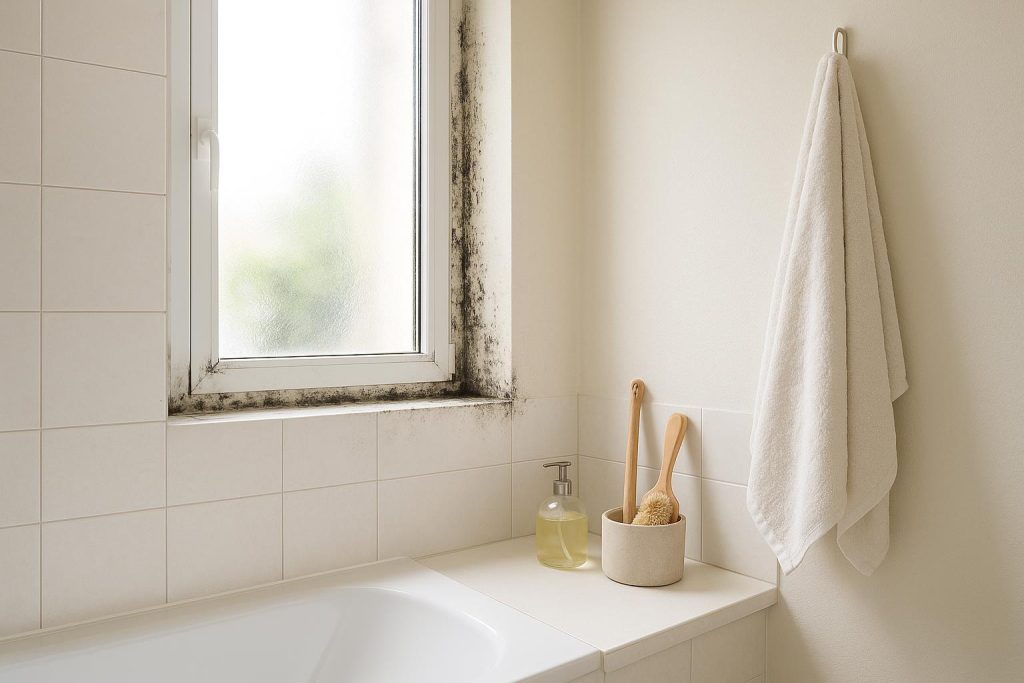
Understanding the Link Between Humidity and Black Mold Growth
Black mold can be a significant concern for many homeowners. It is often associated with unsightly stains, unpleasant odors, and potential health effects. One of the common inquiries people have is whether high humidity really causes black mold to grow or if there are other factors involved. In reality, moisture is a critical piece of the puzzle, which makes humidity a primary contributor to the development of black mold. Below, we will examine what black mold is, why humidity fosters its growth, and how you can prevent it from taking over your home.
What Is Black Mold?
Black mold is a colloquial term often used to refer to Stachybotrys chartarum, a species of mold that usually appears dark green or black. While many mold species can appear black, Stachybotrys chartarum is perhaps the most notorious. Mold spores are everywhere in the environment, both outdoors and indoors. They are generally harmless at low levels. However, when conditions become favorable for these spores to thrive and reproduce—namely, dark and damp areas—they can quickly grow into visible colonies. This is where humidity steps into the picture, as increased moisture in the air can dramatically promote mold growth.
Why Does Humidity Matter?
All types of mold, including black mold, require moisture to survive and flourish. While mold spores do not suddenly appear out of nowhere, the presence of humidity in the air creates a more hospitable environment. Once mold spores land on a wet or damp surface, they can germinate and spread. If the humidity level in your home exceeds roughly 50%, that is often enough to encourage mold growth. In many regions with humid summers or during periods of rainy weather, it becomes especially important to monitor indoor humidity to keep levels manageable.
Common Sources of High Indoor Humidity
High indoor humidity can come from numerous sources. Understanding these factors makes it easier to pinpoint how to manage or prevent them:
- Cooking and Showering: Activities such as boiling water, running a dishwasher, or taking long hot showers all produce steam that contributes to higher humidity.
- Leaks or Poor Ventilation: A leaking roof, plumbing issues, or insufficient ventilation in areas like the bathroom or kitchen can also trap moisture indoors.
- Basement Dampness: Many basements are prone to dampness due to their proximity to the ground. If there is no proper dehumidifier or appropriate moisture barrier, humidity can build up quickly.
- Drying Laundry Indoors: When you hang wet clothes inside, the evaporating water increases the moisture content in the air.
- Seasonal Weather: Certain climates and seasons naturally bring higher humidity, which then finds its way into your home.
How to Identify Signs of Black Mold
While mold can appear in various colors from green to brownish-black, there are some indicators of mold growth—particularly black mold—that you can watch for:
- Visible Patches: Look for dark or slimy patches on walls, ceilings, corners, and other damp surfaces.
- Musty Odor: Mold often produces a distinctive earthy or musty odor, especially in closed or poorly ventilated spaces.
- Water-Stained Surfaces: Areas that have water damage (peeling paint, warped wood, or stained ceilings) are more susceptible to mold.
- Increased Allergic Symptoms: Some individuals experience itchy eyes, sneezing, or respiratory distress when mold is present in significant quantities.
If you suspect black mold, you may consider reaching out to a professional to test and confirm its presence. Though small growths can be remediated by a homeowner, widespread mold often requires professional attention, especially if it has infiltrated wall cavities or organic materials in large areas.
Health Implications of Black Mold
Mold exposure can lead to various health complaints. While some people might experience mild symptoms like coughing or nasal congestion, others could face exacerbated asthma, allergies, or other more uncomfortable respiratory issues. Although Stachybotrys chartarum was once heavily associated with serious health complications in the media, many scientists believe that most mold-related health problems are not unique to black mold but can occur with exposure to any large quantity of mold spores. Nevertheless, maintaining a mold-free—and by extension, low-humidity—home is a crucial step in promoting overall indoor air quality.
Essential Tips for Preventing Black Mold
Keeping mold at bay requires proactive solutions. Here are some steps you can take to address high humidity and minimize the risk of black mold:
- Use Dehumidifiers: If you live in a naturally damp or humid area, investing in a dehumidifier can substantially reduce moisture levels.
- Ensure Proper Ventilation: Vent your bathroom and kitchen with functioning exhaust fans. Proper airflow prevents moisture from building up on surfaces.
- Fix Leaks Immediately: Promptly repair any leaks from roofs, windows, or pipes. Damp spots attract mold, so fixing the source is essential.
- Control Indoor Temperature: Maintaining a moderate indoor temperature helps stabilize humidity. Extreme temperature fluctuations can create condensation.
- Clean and Dry Flood Damage: If your home suffers from flooding, thorough cleaning and drying are essential. Mold can start growing in as little as 24–48 hours on wet materials.
- Monitor Basements and Bathrooms: Frequently check areas known for dampness, such as basements, bathrooms, and laundry rooms, to catch any moisture buildup early.
Best Practices for Removing Black Mold
If black mold does appear in your home, the extent of the problem will dictate your next steps. For smaller areas, you can often tackle mold cleanup yourself using a solution of diluted bleach or a specialized mold-removal product found in most hardware or home improvement stores. Make sure to:
- Wear personal protective equipment like gloves, a mask, and goggles.
- Open the windows and doors for ventilation while cleaning.
- Dispose of or thoroughly clean any contaminated items, especially porous materials that mold can infiltrate (e.g., carpets, drywall).
After the initial cleanup, you must address the root cause—usually excess moisture. Consider placing a dehumidifier in the affected area, repairing any leaks, and ensuring adequate ventilation.
Why Control Humidity In Your Home?
A comfortable home environment isn’t just about aesthetics: it’s also about creating a healthy space to live. High humidity does more than encourage mold; it can also contribute to dust mite proliferation, wood rot, and structural damage. By keeping humidity levels in check, you safeguard your home from multiple moisture-related problems, including mold growth. This means your indoor air quality remains healthier for you and your family, too.
How Professional Cleaning Services Can Help
Once moisture infiltration is resolved and any mold remediation is complete, a thorough cleaning can help ensure that all surfaces are free of lingering spores or residue. This step often goes beyond regular tidying, especially in areas that are prone to mold such as bathrooms, kitchens, and laundry rooms. A professional cleaning service, like a dedicated residential cleaning provider, can address the fine details, reducing dust and other particles that might encourage mold to re-establish itself. If you are in the process of moving into or out of a property and have concerns about mold, a move-in and move-out cleaning service can comprehensively sanitize surfaces to give you peace of mind from day one.
Managing Your Home After Mold Remediation
Even if you have successfully removed an existing mold colony, it is critical to be vigilant and proactive moving forward. Regular inspections of your walls, ceilings, and hidden spaces are recommended. If you feel overwhelmed by persistent clutter—a factor that can make it harder to notice moisture issues in corners or closets—consider a thorough reorganization. Services such as professional organizing can help you get rid of unnecessary items, create a more breathable environment, and make it easier to monitor and maintain cleanliness in all areas of your home.
Keeping Humidity Levels Under Control
Controlling humidity is not necessarily complicated, but it does require consistency. Develop these healthy habits to prevent mold-friendly conditions:
- Regular Maintenance: Clean and service dehumidifiers and HVAC systems. Filters that become clogged or systems that are operating inefficiently lead to uneven humidity distribution and encourage moisture pockets.
- Open Windows When Weather Permits: Occasional fresh air circulation can counteract humidity buildup, especially when the outside air is drier.
- Avoid Overwatering Houseplants: Plants can introduce extra moisture into the air. Proper watering routines, along with placing drip trays or using self-watering planters, simplifies moisture control.
- Keep Floors and Walls Dry: Promptly wipe up spills, drips, or condensation from floors and walls, particularly in bathrooms and kitchens.
Monitoring for Mold Long-Term
Mold can appear gradually, so consistent monitoring is key. If you find that a particular spot in your home regularly shows signs of dampness or humidity, investigate thoroughly. It could be a hidden pipe leak or insufficient airflow behind furniture. By being vigilant, you can spot mold in its early stages—when it is far easier (and less expensive) to tackle. Keep in mind that any musty smell should be promptly investigated, as a strong odor can be one of the earliest signs of hidden mold that has yet to break through surfaces.
When to Consider Expert Help
While many instances of mold can be addressed with diligent cleaning and humidity control, there are times when you may need professional assistance. If your mold issues span a large area, appear repeatedly in the same spots, or have caused structural damage, a certified mold remediation specialist can help. This service typically involves removing affected materials if necessary, disinfecting surfaces, and advising on solutions to permanently fix the moisture problem. In moisture-prone areas like Edmonton or surrounding regions, local professionals can offer guidance tailored to your home’s unique conditions.
Key Takeaways
High humidity does indeed contribute to black mold growth by creating the moisture-rich conditions mold spores need to flourish. Keeping your indoor humidity around or below 50% is a good guideline to reduce the chance of mold. Proactive measures such as using dehumidifiers, ensuring adequate ventilation, fixing leaks promptly, and regularly inspecting problem-prone areas are among the best preventative steps.
By making small changes to your routine, you can maintain better indoor air quality and protect your home from the dangers of black mold. And if you do end up facing a mold issue, understanding how to assess and address the problem will put you on the path to a healthier living space. Consider enlisting the help of a professional cleaning service if you want to further refine your home’s cleanliness or if mold problems arose due to cluttered, hard-to-reach spaces. The goal is not just to remove mold once it appears—but to ensure it never finds the right conditions to return. With consistent attention to humidity levels and routine maintenance, you can stay ahead of potential mold problems and enjoy a fresher, cleaner environment.
