
Understanding Where Black Mold Tends to Grow
Black mold, often referred to by the species Stachybotrys chartarum, can be an unwelcome visitor in any home or commercial space. Understanding the conditions that encourage black mold growth and the specific areas where it’s most likely to thrive can help you take proactive steps to keep your environment safe. Below, we’ll take an in-depth look at common black mold hotspots, why these areas are vulnerable, and effective strategies for prevention. We’ll also explore some best practices for dealing with existing mold to protect both your property and your health.
Why Black Mold Thrives in Certain Conditions
Black mold proliferates where moisture, warmth, and organic material intersect. It typically appears as dark greenish-black patches and has a distinctive musty odor. For mold to survive, it needs water or humidity and a food source, which could be anything from paper and wood to drywall. That’s why it’s often found in places where water damage has occurred or where humidity levels remain high for extended periods.
These conditions make it especially prevalent in rooms such as bathrooms, basements, and kitchens—spaces where water, steam, and condensation are simply part of everyday life. But black mold can also be surprisingly common in neglected areas that don’t receive enough ventilation.
Common Areas for Black Mold Growth
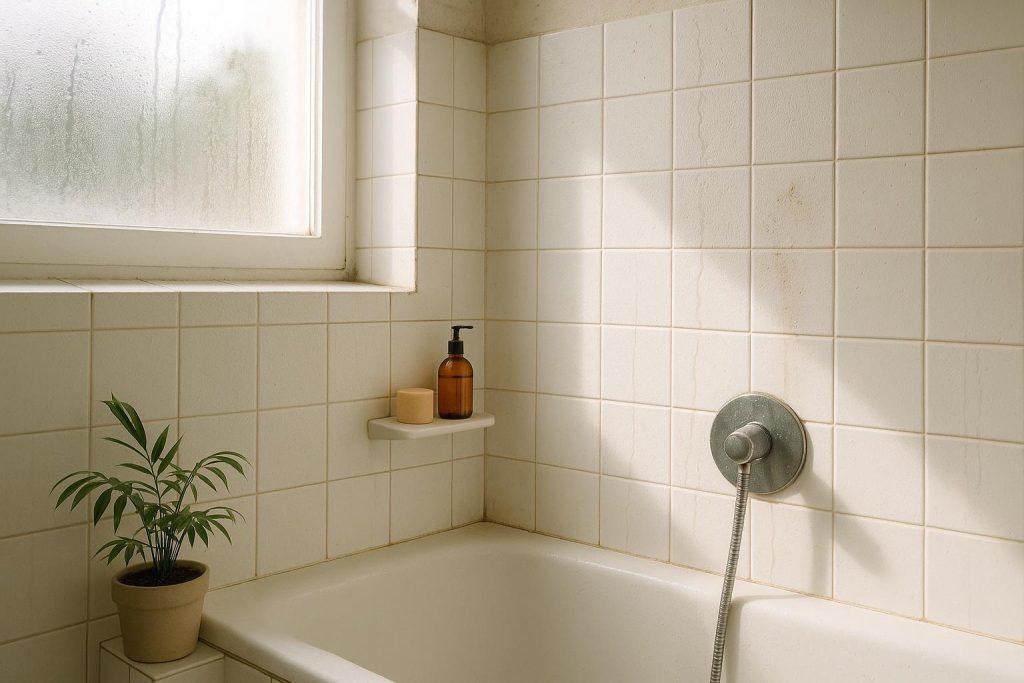
- Bathrooms: Sinks, bathtubs, toilets, faucets, and tiled walls are frequently exposed to water and humidity, making them prime real estate for mold. Poorly sealed grout, leaky pipes, and damp shower curtains also invite mold growth.
- Kitchens: Kitchens often experience temperature fluctuations, water splashes, and possible pipe leaks behind appliances. The undersides of sinks and the dark corners of refrigerators can trap condensation or drips that foster mold.
- Basements: Basements are typically cooler and more humid, especially if they’re not well ventilated. Underground spaces can harbor damp walls, poorly sealed windows, and other moisture sources that attract mold.
- HVAC Systems: Air conditioning units, vents, and ductwork can accumulate moisture due to condensation. This can allow mold spores to circulate throughout your living areas, potentially spreading mold growth to other parts of your home.
- Window Frames and Sills: Condensation can frequently form on windows, especially in cooler climates. The resulting moisture on wood or vinyl frames is an excellent breeding ground for mold spores.
- Attics: If there’s a roof leak or insufficient insulation and ventilation, warm air from below can rise and meet cooler surfaces in the attic. This allows moisture to form, and eventually mold can develop on wooden beams and insulation.
While these are some of the most commonplace locations, it’s important to realize that black mold can grow just about anywhere if conditions are right. A dark, dusty corner in a closet near a plumbing line or even the underside of a rarely maintained carpet can become a perfect environment if moisture is present.
Bathrooms: The Mold Hotspot
Among all the areas in a building, bathrooms are perhaps the most susceptible to mold growth due to their constant exposure to humidity. Hot showers create steam, and if the bathroom is not ventilated properly, that moisture gets trapped on walls, ceilings, and floors. Additionally, soap scum, hair, and other residues can form a layer of organic material that mold can latch onto. Here are some preventative steps you can take:
- Install an exhaust fan and use it during and after showers.
- Wipe down wet surfaces like tiles and shower doors regularly.
- Seal grout properly and repair cracks in tile as soon as they appear.
- Use mold-resistant shower curtains or liners, and replace them regularly.
Regular cleaning goes a long way in keeping a bathroom mold-free. If you spot a small patch of mold, address it quickly with an appropriate cleaning solution. For deeper issues, professional cleaning services can help thoroughly clean all surfaces—including hard-to-reach areas behind toilets, vanities, and fixtures.
Kitchens: Hidden Moisture Issues
Kitchens are bustling spaces with plenty of opportunities for leaks, spills, and humidity. Cooking steam and dishwashing can significantly elevate the moisture level in the room. Over time, even a small drip under the sink can become a breeding ground for black mold. To make matters worse, mold can hide behind cabinetry or near the dishwasher, making it difficult to detect. Key prevention tips include:
- Fix leaks immediately—small, persistent drips can cause big problems.
- Avoid letting wet dishes sit in enclosed cabinets for long periods.
- Clean up spills right away, especially on porous materials like wood or cardboard-based packaging.
- Check the back of your fridge or under your dishwasher for signs of moisture buildup.
If you do discover mold in the kitchen, clean it as promptly and thoroughly as possible to prevent mushrooms from establishing a deeper hold. If you’re in need of extensive support or professional-level thoroughness, you might consider scheduling a residential cleaning service to ensure every nook and cranny is addressed.
Basements and Crawl Spaces: Ventilation Is Key
Basements and crawl spaces also rank high among the areas most prone to mold growth, mostly due to infiltration of groundwater and humidity. Sometimes, older homes lack modern waterproofing or insulation, resulting in damp walls and floors. Even newer constructions can develop structural gaps or cracks that let in moisture. Here are some steps to help keep mold at bay in your basement:
- Use dehumidifiers to maintain a lower humidity level (ideally under 50%).
- Check the foundation for cracks and seal them properly.
- Insulate pipes to prevent condensation.
- Store items in plastic bins instead of cardboard boxes to avoid moisture absorption.
- Keep the space as well-ventilated as possible.
It can also help to periodically inspect less-frequented areas. Over time, if you’re storing boxes, seasonal items, or furniture you rarely move, mold may start to grow underneath or behind these objects. Doing a regular check and maintaining an organized environment can prevent surprise mold outbreaks. Should you need assistance with reorganizing or clearing out clutter to facilitate better airflow, you could explore organizing services that also integrate cleaning, ensuring a thorough approach.
HVAC Systems: When Mold Goes Airborne
One of the more alarming aspects of black mold is its potential to travel via air ducts or HVAC systems. Condensation can occur in air conditioning units or within ductwork; once spores take hold, the system can circulate them through the entire building. This situation not only makes cleanup more complex but can pose health risks for individuals with respiratory sensitivities. Some useful tips for preventing mold in HVAC systems include:
- Change filters regularly to avoid dust and debris buildup.
- Schedule regular maintenance checks to catch leaks or clogs early.
- Keep humidity under control with dehumidifiers or by running the AC efficiently.
- Inspect ductwork for visible mold or musty odors, and clean professionally if necessary.
If mold is discovered in your HVAC system, it’s vital to have it professionally cleaned and disinfected. This ensures that any lingering spores are removed and won’t continue to spread throughout the property.
Window Frames: Small Space, Big Potential
Windows can harbor mold on the frames or sills due to condensation buildup—especially during cooler months when warm indoor air meets the cold surface of the glass. Over time, the constant moisture can weaken caulking or wood. Keeping windows dry and clean is a straightforward task that most homeowners can handle with simple daily or weekly maintenance:
- Wipe away condensation regularly, particularly on colder days.
- Keep the glass and frames clean, removing dirt or dust to reduce organic matter.
- Check for deteriorating seals or weatherstripping and replace them as needed.
- Open windows briefly to let in fresh air, balancing out indoor humidity levels.
Even if mold starts out in a small patch on your windowsill, it can spread if left unchecked. Swift attention to such minor problems is essential for preventing larger headaches later.
Attics: The Overlooked Spot
Many homeowners rarely visit their attics, making these spaces ideal for unnoticed mold growth. If a roof leak exists, or if ventilation is poor, condensation can build up and feed mold colonies. If you’re storing items in the attic—especially in cardboard boxes—these can absorb moisture and serve as additional mold food sources. Tips to reduce mold risk in attics include:
- Ensuring proper insulation of the attic floor to prevent temperature imbalance.
- Installing or maintaining sufficient venting to allow warm air to escape.
- Inspecting the roof regularly for loose shingles or leaks.
- Using moisture-resistant materials and containers for storage.
If you discover mold in your attic, it’s wise to consult a professional. Mold in the attic can be extensive and challenging to remediate without specialized equipment. You’ll want to ensure that any insulation or structural components are free from ongoing damage.
Health Risks Associated with Black Mold
Before we delve into control methods, it’s important to note the potential health concerns black mold can cause. Symptoms can include nasal stuffiness, throat irritation, coughing, and in more severe cases, wheezing or skin irritation. People with allergies, asthma, or compromised respiratory systems may experience more significant health impacts. While black mold isn’t always toxic, its presence often signifies a deeper moisture issue that can lead to full-blown infestations if not addressed.
Preventive Measures for Home and Business Owners
Prevention is always better than remediation. By being mindful of how moisture accumulates and addressing small issues before they escalate, homeowners and business managers can avoid the stress and health implications of a mold problem. Practical tips include:
- Monitoring indoor humidity levels—use a hygrometer to keep indoor humidity below 50% if possible.
- Cleaning up water spills, leaks, or flooding immediately.
- Improving air circulation by opening windows, using fans, or installing a ventilation system.
- Employing mold-resistant products such as paints and sealants, particularly in high-humidity areas.
Since moisture is the ultimate catalyst, making sure your home or workspace stays dry is your best defense against mold. Keep an eye on even small humidity sources, like indoor plants that are overwatered or laundry that isn’t properly dried.
When and How to Remove Black Mold
If you spot mold, it’s important to act quickly, even if it’s just a small patch. Prompt removal can keep the problem from escalating into a much larger and costlier undertaking. Over-the-counter cleaning solutions containing bleach or other disinfectants can often kill mold on non-porous surfaces, but the real challenge is ensuring that the root cause (excess moisture) is eliminated. Larger infestations—in particular those covering more than ten square feet—may require professional mold remediation to ensure total eradication.
After dealing with the issue, it’s wise to schedule a thorough cleaning of the area to remove lingering spores. For comprehensive cleaning throughout your space, whether it’s a new home you’ve just moved into or a property you’re leaving, you could look into move-in and move-out cleaning options. Such services often include deep cleans that eliminate hidden threats like dust, grime, and residual mold spores, leaving the property healthier for its occupants.
Long-Term Steps and Professional Assistance
Once you’ve handled an existing mold problem or set up a strong defense against it, ongoing vigilance is essential. Regularly check for leaks or damp spots, especially after strong storms or significant changes in weather. Keep up with maintenance schedules for HVAC systems and plumbing. If you have recurring mold issues despite efforts to remove it, consider consulting professionals for a more comprehensive evaluation—particularly of hidden areas like inside walls or underneath flooring. A professional inspection can uncover the root moisture source and provide long-lasting solutions.
Prevention is often a team effort between property owners, building managers, and reputable cleaning services. Having a trusted local cleaning service can be a valuable asset, especially if you need a customized approach for your home or commercial space. From routine residential cleaning to specialized organizing and deep-cleaning solutions, there are ways to stay on top of maintenance and reduce the risk of mold taking hold.
Conclusion: A Clean, Dry Environment Is Your Best Defense
Black mold is most commonly found in moist, poorly ventilated areas like bathrooms, kitchens, basements, and attics. However, it can also appear in unexpected places if damp conditions persist. By controlling humidity, fixing leaks promptly, and staying vigilant about cleaning and maintenance, you can significantly reduce the likelihood of black mold taking root in your space.
If you detect mold, act quickly to remedy the situation and prevent further spread. For more extensive cleanups, child-safe or eco-friendly methods can be an option when working with professional services. Ultimately, an approach combining preventive measures, routine inspections, and consistent cleaning efforts is key to keeping black mold away for the long term.
