
Understanding the Sources of Dander and How to Control It
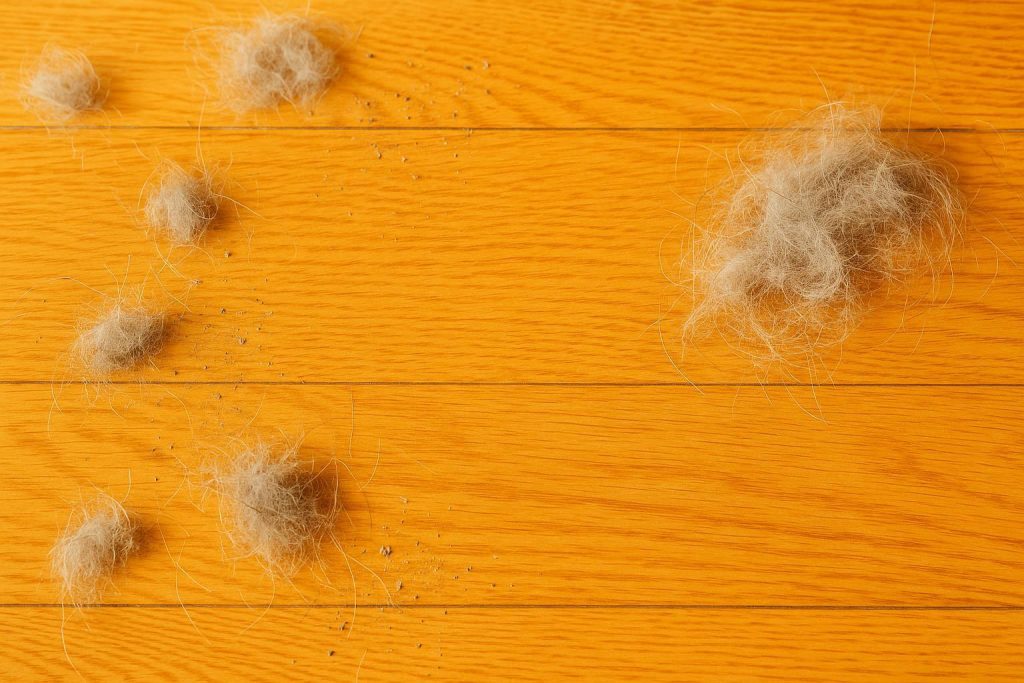
Dander is a microscopic yet all-too-common irritant that can quietly wreak havoc in our homes and other indoor spaces. Many people tend to associate dander primarily with pets, imagining tiny flecks of fur or hair floating around the house. While it’s true that cats, dogs, and other animals can generate pet dander, there are actually multiple sources of dander in any home, including humans themselves. Dander is largely composed of shed skin cells and other minuscule particles that cause dust, allergy flare-ups, and general discomfort for those sensitive to airborne irritants.
Being mindful of the various sources of dander and understanding how to manage it can dramatically improve the quality of life for everyone in a household. Whether you find yourself constantly wiping down surfaces or sneezing whenever you walk into a dusty living room, a deeper look at dander reveals how best to prevent buildup and minimize its impact on your family’s health and comfort. Below, we’ll explore what dander really is, where it comes from, and offer practical tips on how this seemingly invisible irritant can be kept under control through consistent cleaning and well-chosen practices.
What Exactly Is Dander?
Before diving into the varied sources of dander, let’s clarify what we mean by the word. Dander consists of tiny flakes of skin, hair, or feathers that peel away from people or pets as part of the natural process of shedding old skin cells and growing new ones. Since every living creature has skin, any of us—human or animal—can be a source of dander. However, pet dander is often the primary concern for homeowners who notice that allergies become significantly worse in the presence of certain animals. This is in part because pet dander includes proteins found in an animal’s saliva and skin oils, which then adhere to fur or feathers and disperse around the home.
It’s important to note that dander can be a major contributor to indoor allergens. Unlike larger particles such as visible dust bunnies that can easily be swept up, dander tends to be so light that it floats in the air, eventually settling on various surfaces. Over time, even minor amounts of dander can accumulate, causing airborne allergy issues and other health problems—particularly for individuals with asthma or respiratory conditions. If you frequently find yourself or your family members sneezing whenever you sit on the couch, or if your eyes water when you pick up a beloved pet, there is a strong possibility that high dander levels are to blame.
Common Sources of Dander
Many people associate dander exclusively with furry pets, but there are multiple origins within the average household. Common contributors include:
- Pets (Cats, Dogs, Rodents): Cats and dogs are often singled out as top culprits because of their fur, but rodents like hamsters or guinea pigs can also shed their own brand of skin flakes. Pets groom themselves regularly, spreading saliva-based proteins across their coat, which then break away into tiny flecks.
- Birds: While birds don’t have fur, they do have feathers that can carry dander in the form of fine dust and skin flakes. This can be especially noticeable in homes with larger or more numerous bird species.
- Human Skin Cells: Humans shed dead skin cells continually. While our own dander may not be as allergenic to us as pet dander, it still contributes significantly to dust buildup and can be a concern for those with dust-related allergies.
- Fabric, Carpets, and Upholstery: Although these items are not direct sources of dander, they tend to trap and hold tiny skin flakes, animal hair, and dust. Once disturbed, such as by walking on a carpet or sitting on upholstery, these particles become airborne again.
Why Does Dander Trigger Allergic Reactions?
Dander triggers allergies primarily due to certain proteins it carries. In the case of pets, these proteins are found in their saliva, urine, or on their skin. When pets lick themselves or shed fur and dead skin cells, these proteins can scatter around the home. People with sensitivities or compromised respiratory systems often react to these proteins with sneezing, itchy eyes, or even asthma attacks.
Allergic reactions to human dander are less common, but a build-up of human skin flakes and the dust mites that feed on them can still cause issues for those with dust allergies. If you have found yourself or loved ones experiencing chronic annoyance from runny noses, sneezing, or itchiness inside your home, persistent dander buildup could be a contributing factor. For individuals with more severe allergies, even a small quantity of dander can have a notable impact.
The Role of Regular Cleaning in Controlling Dander
Regular cleaning is one of the most effective ways to curtail the accumulation of dander. Simply put, the longer dander is allowed to linger on surfaces or get embedded into carpeting and furnishings, the more likely it will interfere with the comfort and health of people who share that space. Engaging in a consistent cleaning routine can help remove significant amounts of dander before it becomes a full-blown problem. Some particular tasks include:
- Frequent Dusting: Light dust particles and dander tend to settle on furnishings, window sills, electronics, and decorative items. Weekly or bi-weekly dusting can reduce allergen presence significantly.
- Vacuuming High-Traffic Areas: Carpets, rugs, and other textile surfaces act as magnets for dander. Using a vacuum with a HEPA filter ensures that remnants of dust, skin flakes, and hair don’t simply recirculate back into the air.
- Washing or Deep Cleaning Fabrics: Upholstered furniture, throw pillows, and curtains collect the dander that floats freely around the room. Regularly washing and deep cleaning fabrics can substantially cut down on airborne debris.
- Frequent Pet Grooming: Since pets are often a prime source of dander, bathing and brushing them regularly can minimize the amount that ends up on your floors and furniture.
While it is possible to handle most of these tasks on your own, professional cleaning services can offer a more thorough approach. By carefully addressing hard-to-reach areas, deep cleaning floors, and applying specialized tools, a professional team can help reduce overall dander levels both quickly and effectively.
Additional Tips for Reducing Dander in Your Home
Beyond general house cleaning, there are some specific steps you can take to combat dander right at the source. These methods are especially helpful for anyone determined to maintain a healthy living environment, particularly if you’re prone to allergy symptoms:
- Regular Pet Health Check-Ups: Unhealthy skin or poor coat condition can worsen dander in pets. By receiving routine check-ups, grooming, or recommended supplements (if necessary) from your veterinarian, you ensure that your animal’s skin is in optimal shape.
- Use Air Purifiers: High-quality air purifiers with HEPA filters capture minute allergens like dander, dust mites, and pollen. Utilizing one or multiple purifiers—especially in frequently occupied rooms—can keep the air noticeably cleaner.
- Maintain Low Humidity: Damp or humid environments can promote dust mites and mold growth. Keeping humidity levels between 30% to 50% helps reduce potential irritants. Proper ventilation and the use of dehumidifiers can help manage moisture levels in areas like the bathroom and kitchen.
- Opt for Easy-to-Clean Flooring: While carpets and rugs feel cozy, they also trap a lot of dander. If you’re particularly sensitive, consider hard-surface flooring options like hardwood, laminate, or tile wherever possible. These floors are much simpler to vacuum, sweep, and mop.
- Wash Pet Bedding Frequently: One overlooked source of dander is the pet’s own bedding. A weekly wash of all pet bedding in hot water can drastically reduce allergens in your home.
How to Clean for Dander Control
Implementing a targeted cleaning strategy makes dander control much more manageable. It helps to break tasks down into daily, weekly, and monthly cleans:
- Daily Tasks: Sweep or vacuum high-traffic areas where people and pets mingle the most, and wipe down counters or surfaces where dust can quickly accumulate.
- Weekly Tasks: Thoroughly vacuum carpets, upholstered furniture, and drapes using a HEPA-filter vacuum. Dust all surfaces, launder any removable fabrics, and bathe or brush pets as recommended.
- Monthly (or Seasonal) Tasks: Schedule a more intensive deep clean, wiping baseboards, cleaning out vents, washing curtains, and tackling any often-ignored corners or nooks that may have been collecting dander.
Adhering to this kind of schedule makes it easier to stay consistent and not let dust and dander accumulation get out of control. Combining a structured cleaning regimen with strong preventative measures—like using an air purifier or controlling humidity—will produce the best long-term outcomes in dander reduction.
When to Call in Professional Cleaning Services
Sometimes, it may feel like no matter how often you clean, vacuum, and dust, you can’t quite keep dander at bay. You might have a hectic schedule, multiple pets, or high-shedding breeds that constantly release new dander into your space. In such instances, booking a professional cleaning service is a proactive way to eliminate the burden of constant upkeep and maintain a healthier indoor environment.
A professional team can conduct thorough deep cleans—tackling everything from upholstery and carpets to blinds and baseboards. They also have the expertise to target specific problem areas and recommend strategies for keeping dander under control between visits. If you’re observing more persistent allergy issues or notice an unusual amount of dust floating through the air, a professional deep clean can be a game-changer for your household.
Additionally, if you’re moving into a new space or leaving your current residence, you might consider specialized services designed for intensive jobs. For deeper, more targeted solutions, you may find that a dedicated team committed to detail-oriented work can make a huge difference in how you feel at home. For instance, our Move-in and Move-out Cleaning service can give you peace of mind that the home is thoroughly sanitized and cleared of any lingering dander from previous tenants or pets.
For ongoing maintenance, a Residential Cleaning schedule can help ensure you stay on top of regular upkeep, especially if you’re juggling a busy lifestyle. Working with trusted and professional cleaning experts can dramatically reduce allergen levels, making your living environment safer, healthier, and more enjoyable for everyone.
Final Thoughts on Tackling Dander
Dander is an almost unavoidable presence in our daily lives, yet its impact on our well-being should not be underestimated. Micro-particles from pets, birds, and even our own bodies can gather in corners, cling to soft furnishings, and flood the air with potential allergens. Despite being invisible to the naked eye, these tiny irritants can have an outsized influence on household comfort, cleanliness, and respiratory health.
Fortunately, maintaining a comprehensive cleaning routine, using practical methods like vacuuming with HEPA filters, keeping humidity in check, and properly grooming pets can go a long way toward reducing dander levels. If you do notice continuous allergy symptoms or find it challenging to keep up, consider letting a professional cleaning team manage the more labor-intensive aspects of dander control. Ultimately, a tidy, detail-oriented approach helps ensure that everyone can breathe easier and enjoy a comfortable home environment free of excessive allergens.
