
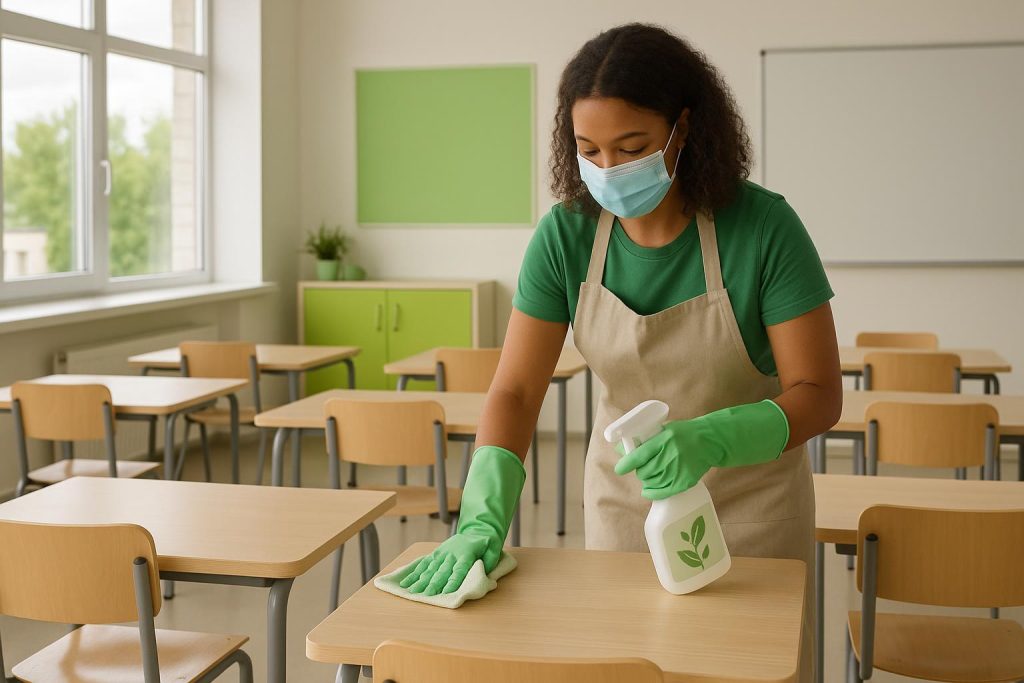
Creating a Healthier Environment: Eco-Friendly Cleaning Options for Schools
Schools are vibrant centers of learning and growth, home to students who hail from diverse backgrounds and ages. From toddlers in preschool settings to teenagers in high school, all benefit from a healthy environment where germs and indoor pollutants are kept to a minimum. It is no secret that cleanliness plays a key role in student well-being and academic success. However, many people are now exploring how to keep classrooms and school buildings clean without relying on harmful chemicals that can negatively affect indoor air quality and the environment.
In this comprehensive guide, we will discuss a range of eco-friendly cleaning options for schools. We will cover why “green cleaning” is gaining popularity, examine non-toxic products, talk through effective techniques (including the use of microfiber cloths and steam cleaners), explore potential ways schools can adopt greener policies on a limited budget, and suggest strategies for training and engaging staff and students alike. By embracing environmentally friendly cleaning methods in schools, administrators can set a positive example and ensure healthier conditions for everyone.
The Importance of Green Cleaning in Schools
Green cleaning refers to a system of cleaning methods and products that minimize harm to human health and the environment. For schools, this focus is extra important because children are generally more vulnerable to the negative impacts of harsh chemicals. Their bodies are still developing, making them more susceptible to respiratory issues and sensitivities that certain chemical substances may trigger.
Traditional cleaning products often contain chemicals that can linger in the air, on surfaces, or in water systems. This can contribute to poor indoor air quality, which may in turn lead to health challenges such as allergies, asthma, and other respiratory problems. By transitioning to green cleaning, educational institutions can reduce chemical exposure, lessen indoor pollution, and support overall environmental stewardship. Furthermore, adopting an environmentally responsible approach helps schools live up to their role as leaders in the community, teaching young people the importance of caring for the environment in practical, day-to-day ways.
Common Eco-Friendly Cleaning Methods
Eco-friendly cleaning in schools is based on a few tried-and-true methods. While there are always new products and approaches emerging, these essentials form the backbone of a solid green cleaning strategy:
- Non-toxic cleaning solutions: Instead of relying on harsh chemicals that produce strong fumes, schools can opt for plant-based or biodegradable cleaning products. These products typically have fewer additives that irritate the skin or lungs and break down more easily in the environment. In many cases, they also use packaging designed to reduce waste. This includes concentrated formulas that require less plastic, and refill stations that cut down on single-use bottles.
- Microfiber cloths: Microfiber cloths are a powerful tool for eco-friendly cleaning. Their unique fibers are incredibly effective at trapping dust, dirt, and even many types of bacteria, all without requiring harsh chemicals. These cloths can often be used with just water or a mild cleaning solution to achieve thorough and long-lasting results. Because they are washable and reusable, microfiber cloths also help schools save money and produce less waste compared to disposable products.
- Steam cleaners: Steam cleaners rely on hot water vapor to sanitize surfaces. Heated to a high temperature, steam can effectively loosen grime and kill germs, bacteria, and some viruses, all without the need for chemical disinfectants. This technique is especially useful for deep-cleaning floors, bathrooms, and other areas that might harbor stubborn dirt or bacteria. However, it is important to use steam cleaners according to the manufacturer’s guidelines to ensure safety and effectiveness.
- Non-chemical disinfecting options: While steam cleaning is one example of a chemical-free approach, there are other non-toxic methods worth exploring. For example, some schools use hydrogen peroxide-based cleaners, which are less irritating than bleach yet offer strong germ-killing properties. Others rely on carefully formulated botanical disinfectants made from thyme oil or other natural ingredients. Regardless of the product, getting an Environmental Protection Agency (EPA) certification or an equivalent local/regional approval can help ensure the product meets strict safety and efficacy standards.
Choosing the Right Products
There is a growing number of eco-friendly cleaning products on the market, from all-purpose cleaners to bathroom disinfectants and floor treatments. However, not every product that claims to be “green” lives up to its marketing. To find genuinely eco-friendly solutions, look for third-party certifications or guidelines from reputable entities. Valid certifications generally assess various criteria, including the product’s toxicity, effect on the environment, and packaging.
Schools can organize a small committee or a purchasing department to carefully review cleaning product ingredients. Gathering input from teachers, janitorial staff, and health experts ensures that products align with overall safety, cost-effectiveness, and quality requirements. If certain areas or departments in the school have unique cleaning needs, test different green solutions on a small scale. This pilot approach helps identify the best fit for daily usage without incurring the cost of a large-scale rollout that might prove ineffective.
Implementation Strategies for Schools
Switching to more environmentally friendly cleaning methods can be welcomed by many, but it usually requires careful planning. Below are some tangible ways schools can implement green cleaning successfully:
- Start with a detailed assessment: Identify the specific cleaning needs of each area in the school, such as classrooms, science labs, gyms, hallways, restrooms, and cafeterias. Determine the surfaces that require daily disinfecting versus surfaces that need routine cleaning. This detailed breakdown helps tailor product and equipment choices, ensuring you only use stronger disinfectants where absolutely necessary.
- Establish clear guidelines: Create an official green cleaning policy, and outline which products and practices should be used on a daily, weekly, and monthly basis. Add guidelines on proper disposal of any leftover chemicals, correct usage of personal protective equipment (if necessary), and cleaning schedules. This policy can also address sustainability considerations such as recycling, waste reduction, and conservation of resources like water and electricity.
- Engage janitorial staff and teachers: School custodians are on the frontline of any cleaning effort, so providing them with adequate training on eco-friendly methods and products is key. Make sure teachers understand best practices as well, especially if they regularly wipe down classroom desks or volunteer to tidy shared areas. This ensures a cohesive strategy across the entire school.
- Measure progress: Set up a system to track improvements in cleaning quality, chemical usage, and cost over time. You might measure reductions in chemical inventory, cases of student allergies or health complaints, or the number of cleaning supply bottles saved from the landfill. Celebrating these achievements can encourage continued commitment from staff and students.
Education and Engagement: Bringing Everyone on Board
Introducing eco-friendly cleaning into a school is more than a facilities decision—it is a powerful opportunity to teach students about responsible consumption, chemical safety, and environmental stewardship. Schools can integrate lessons about sustainability into science, environmental studies, or social responsibility classes. These lessons reinforce the real-world impact that daily habits can have on global ecosystems.
To further cultivate involvement, administrators might develop a “Green Team” of students and teachers who meet regularly to discuss and enact environmental initiatives. They can organize campus cleanups, energy-reduction challenges, or recycling programs. Similarly, staff wellness committees can highlight how less-toxic cleaning chemicals help maintain healthier indoor air and safer facilities for all. Each stakeholder, from parents to cafeteria workers, can play a role in ensuring green cleaning practices are carried out consistently.
Overcoming Common Barriers to Eco-Friendly Cleaning
Regardless of how beneficial green cleaning can be, some schools encounter obstacles when trying to adopt new approaches. Below are a few common barriers and suggestions for overcoming them:
- Budget constraints: Eco-friendly products can sometimes come with a higher upfront price tag. However, many schools discover that the long-term savings from products like microfiber cloths—which can be washed and reused hundreds of times—offset the initial costs. Bulk ordering and partnering with multiple schools to secure discounts is another proven cost-saving strategy.
- Lack of knowledge or skepticism: Some staff or parents may doubt the effectiveness of non-toxic cleaners. Address concerns by sharing accurate scientific studies, comparisons of product performance, and testimonials from other educational institutions that have successfully converted to green cleaning. Conduct small pilot programs to demonstrate effectiveness with actual data.
- Resistance to change: Individuals who have used traditional cleaning products for decades may be reluctant to switch. Thorough training, along with clear policies, can help. Offer hands-on demonstrations to show how new products and equipment (like steam cleaners) work. Emphasize that eco-friendly cleaning is not just about being “trendy,” but about prioritizing health for both custodial staff and students.
Collaboration with Professional Cleaning Services
Many schools choose to maintain a blend of in-house custodial teams and occasional professional help. This is especially useful for large-scale cleaning projects or specialized tasks. For schools located in Edmonton, St. Albert, or Fort Saskatchewan, there are eco-conscious commercial cleaning services available that can manage more intensive jobs. Moreover, enlisting experts in green, non-toxic methods helps reinforce the school’s commitment to sustainability.
If you are researching how to integrate outside assistance, look for companies that specifically highlight an eco-friendly ethos—organizations that feature non-toxic products, flexible scheduling, and a strong professional approach. Even a once-a-year deep clean by an environmentally focused partner can significantly reduce dirt, allergens, and pollutants. For instance, an annual scrub of the sports facilities or cafeteria might make a huge difference in overall sanitation.
When a school invests in green commercial cleaning, it can free up the custodial staff’s time to focus on daily upkeep. Balancing internal resources with external expertise ensures that educational institutions stay on top of constant cleaning needs, while also upholding a green philosophy.
Ensuring Safety and Compliance
Although green products are designed to reduce toxic exposure, safety protocols remain important. Staff handling any cleaning product should still receive training on proper usage, storage, and potential precautions. Eco-friendly solutions may still be hazardous if handled incorrectly. Schools should also keep material safety data sheets (MSDS) or similar documentation readily available so custodians and teachers can verify best practices and respond effectively to emergencies.
From a compliance standpoint, schools must ensure that green cleaning measures align with local regulations. Some municipalities or school boards outline specific standards related to disinfection, waste disposal, or the usage of certain chemicals. Properly documenting cleaning schedules and the products used can be essential evidence of compliance, especially in times when health concerns are heightened or inspections become more rigorous.
Making the Most of Technology
Green cleaning may be more traditional than some advanced technology solutions, but recent innovations can help make the process even more effective. Smart dispensers ensure cleaning staff use the right dilution levels for concentrates, reducing chemical waste. Automated floor-cleaning machines, such as robotic vacuums and scrubbers, sometimes come with energy-efficient features that use less water. By carefully researching what is available, schools can decide if an investment in new technology aligns with their sustainability goals and budget.
Broadening the Scope: Whole School Sustainability
Shifting to green cleaning often sparks a broader sustainability conversation. Once schools start reevaluating their usage of cleaning chemicals, they may look into other ways to reduce their environmental footprint. This can include recycling, composting, introducing energy-efficient lighting, installing refillable water stations to cut down on plastic waste, and organizing eco-focused student projects. The potential for a holistic approach is huge, and when cleaning staff, teachers, students, and parents all work together, the school transforms into a model of positive change within the community.
Conclusion: Leading by Example
Adopting eco-friendly cleaning options in schools has a far-reaching impact that goes beyond keeping surfaces clean and polished. By choosing green, non-toxic supplies and sustainable processes, educators and administrators promote healthier indoor spaces, reduce environmental harm, and set an example of responsible caretaking. These practices help safeguard students’ health today while encouraging them to become thoughtful stewards of the planet for years to come.
Whether your school takes on a full overhaul of its cleaning practices or begins with small, incremental changes, the key is consistency and clear communication. Explain why these measures matter, offer the right training to custodial staff, and engage the broader school community in making everyday routines greener. The result is a cleaner, healthier school environment where students, teachers, and staff can thrive—and where the daily lessons extend beyond the books, inspiring lifelong eco-conscious attitudes.
To learn more about eco-friendly cleaning solutions for educational facilities, consider consulting professional cleaning specialists who have experience working with schools. You may also explore commercial cleaning services that specialize in environmentally responsible methods, ensuring that high-touch areas are fully disinfected with minimal chemical impact. As part of a long-term plan, green cleaning can empower schools to deliver not just quality education but also a safe and sustainable environment that benefits everyone.
