
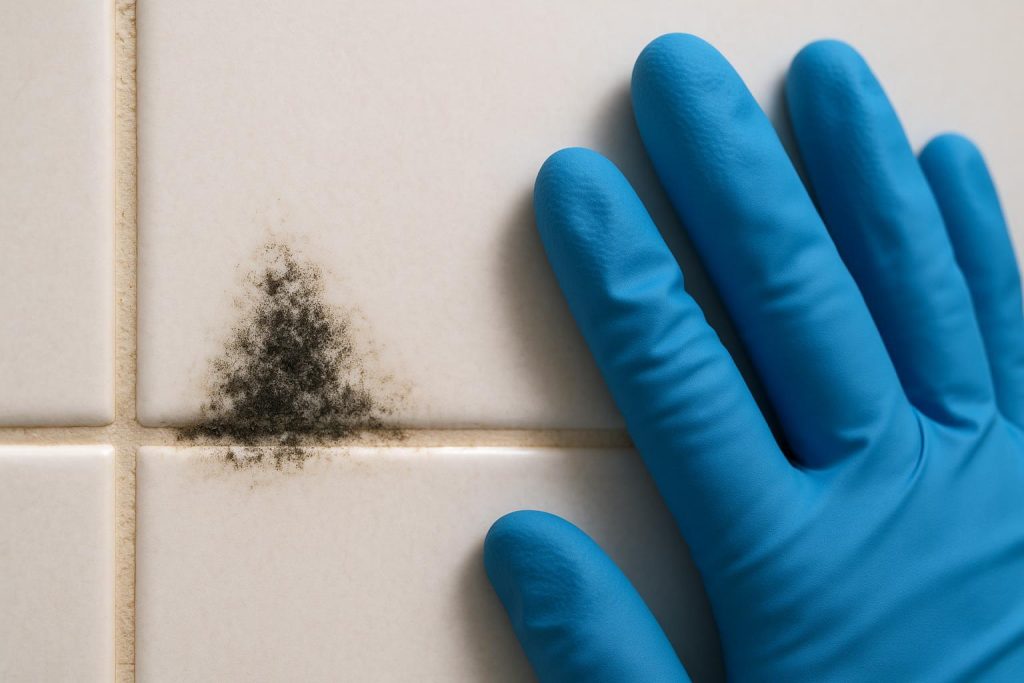
Understanding the Risks of Touching Mold with Bare Hands
Mold is a type of fungus that grows in damp or humid conditions, and it can sometimes remain hidden behind walls, under carpets, or in poorly ventilated areas such as basements. Any sign of mold—whether it’s that dark patch on the bathroom ceiling or the fuzzy growth on old bread—can raise concerns about health and cleanliness. But how dangerous is it really to touch mold with bare hands? Understanding the risks associated with mold contact can help you make informed decisions about safe cleaning practices in your home.
What Exactly Is Mold?
Before diving into the potential dangers of physically handling mold, it’s helpful to understand what mold is and why it grows in our homes. Mold spores exist almost everywhere in nature. In an outdoor environment, mold breaks down organic materials like fallen leaves and dead trees. However, when these spores enter your indoor space, typically through open windows, doors, or even on your clothing, they can start to multiply if the conditions are right. Household molds often flourish in areas with:
- High humidity (above 50%)
- Poor ventilation
- Water leaks or accumulated moisture
- Frequent condensation
Mold can appear in a variety of colors—black, green, white, or even orange—and it can inhabit fabrics, paper, wood-based materials, insulation, and more. Different species of mold exist, from less harmful types to more concerning varieties like Stachybotrys chartarum, also referred to as “black mold.”
Why You Should Avoid Touching Mold Bare-Handed
People often ask, “Is it bad to touch mold with bare hands?” The short answer is generally yes, you should refrain from coming into direct, unprotected contact with mold. While a simple touch might not be life-threatening for most healthy individuals, there are a few reasons why direct contact with mold is never advisable:
- Skin Irritation: Some people develop rashes or other skin reactions when they touch mold. Although this doesn’t affect everyone, those with sensitive skin or particular allergies may notice redness, itchiness, or small bumps.
- Potential Spread of Spores: Mold spores are microscopic and can easily cling to your skin or underneath your fingernails if you handle an active colony. These spores can then spread to other parts of your home if not properly cleaned off.
- Respiratory Concerns: While you might not inhale spores just by touching mold, disturbing moldy surfaces could release additional spores into the air, which you could inadvertently breathe in. For individuals with compromised immune systems or respiratory issues, this can pose additional health risks.
Common Health Effects of Mold Exposure
Even if you do not develop skin problems from contacting mold, there are other health concerns to consider. Mold exposure, particularly over the long term, can lead to:
- Allergic Reactions: Symptoms such as sneezing, runny nose, and watery eyes are common in individuals sensitive to mold. This allergic response can worsen if the mold growth is extensive or persistent in the environment.
- Asthma Flare-Ups: Those who live with asthma could experience flare-ups or heightened sensitivity when exposed to high levels of mold spores. Managing indoor mold is crucial for better respiratory health.
- Irritation of the Eyes, Nose, and Throat: Mold spores can cause irritation to mucous membranes, leading to discomfort or persistent dryness. This issue is more pronounced in people with pre-existing respiratory conditions.
- Worsened Immune Responses: In rare cases, prolonged or high-level mold exposure might contribute to more serious issues, especially for those with weakened immune systems. Though this is less common, it underscores the importance of controlling mold growth promptly.
Best Practices for Safe Mold Removal
When you discover mold in your home, your first instinct might be to wipe it away quickly and get on with your day. However, it’s critical to handle mold safely and methodically to avoid skin contact and limit airborne spread. Here are some guidelines:
- Wear Protective Gear: At a minimum, wear rubber or latex gloves, goggles, and a mask (preferably an N95 respirator) to limit exposure. The gloves will guard against direct skin contact, and the mask will help protect your respiratory system.
- Isolate the Area: If possible, close doors or place plastic sheeting around the affected spot to keep spores from spreading throughout your home. Mold spores can quickly attach to dust particles or other surfaces when disturbed.
- Use the Right Cleaning Solution: For small surface mold (like mold on caulking or tiles), a simple solution of mild detergent and water can be enough. Some homeowners also use diluted bleach (one cup of bleach per gallon of water) to kill the mold. Be sure never to mix bleach with ammonia or other household cleaners, as toxic fumes can result.
- Discard Heavily Contaminated Items: Porous materials such as rugs, upholstery, or drywall can be difficult to clean thoroughly. If mold infiltration is severe, you should consider discarding these items to prevent future recurrence.
Smaller DIY solutions can be great for limited mold. However, if you find mold in tricky places, like inside ductwork, behind walls, or over large areas, it might be best to bring in specialists who can address the root moisture problem and remove the mold entirely.
Preventing Mold Growth in the First Place
As with many home maintenance tasks, prevention is often easier than a cure. By controlling moisture and ensuring that your home is well-ventilated, you can create an environment where mold struggles to thrive. Here are some simple tips:
- Maintain Indoor Humidity Levels: Keep indoor humidity below 50% when possible. Use a dehumidifier if you live in a naturally damp area or during humid seasons.
- Fix Leaks Promptly: Whether it’s a tiny roof leak or a dripping pipe under the sink, address any leaks or water damage right away. Mold can begin to flourish within 24–48 hours of water exposure.
- Ventilate Areas Prone to Moisture: Kitchens, bathrooms, and laundry rooms should have exhaust fans or other forms of ventilation to remove excess humidity during cooking, showering, or running appliances.
- Improve Airflow: Open windows when the weather permits and keep interior doors open to promote circulation. This also helps reduce stagnant pockets of air where mold prefers to grow.
- Avoid Over-Cluttering: Clutter can trap moisture and create surfaces for mold spores to settle. If you need assistance organizing high-clutter areas or want to reduce the risk of mold in closets, basements, or garages, you might consider professional organizing services to help you regain control of your living space.
When to Seek Professional Assistance
Not all mold situations call for professional intervention, but individuals often underestimate just how deeply mold can penetrate structural elements. Insulation, drywall, and even carpeting can harbor mold beneath the surface. If you suspect there is a more widespread issue—for instance, a persistent musty smell, a large patch of visible mold (often defined as an area larger than 10 square feet), or persistent moisture issues—you should consider hiring an expert. Professional cleaning services have the training and equipment to:
- Test air quality and mold concentration
- Identify hidden sources of water damage
- Contain and remove mold growth safely
- Recommend measures for preventing future outbreaks
The Right Way to Handle Mold in Your Edmonton-Area Home
If you live in a relatively humid environment, or have an older home, mold might seem like an inevitable nuisance. However, professional cleaning providers in the Edmonton area often have specialized expertise dealing with moisture-related cleaning issues. They can offer comprehensive cleaning plans to help you manage mold safely, whether you’re scheduling a routine residential cleaning or a thorough move-in or move-out deep cleaning before selling or renting a property. If you’re looking to maintain a healthiest possible environment or you’ve noticed challenging mold spots that keep coming back, professional support can make a long-term difference.
Handling Small Mold Patches Yourself
For minimal mold—like those common black spots that can crop up on bathroom tile grout—there are some straightforward DIY steps you can take. As mentioned, wearing gloves and a mask is critical. You can start by spraying a cleaning agent on the affected area, letting it sit, and then scrubbing lightly with a brush. Rinse the area thoroughly and pat it dry to remove as much moisture as possible. Make sure you properly bag and dispose of any cleaning materials, such as paper towels, so you don’t risk carrying the spores to other rooms.
It’s best to err on the side of caution and assess how widespread the mold growth might be. If you find yourself dealing with recurring growth even after repeated cleaning efforts, it’s a sign that the underlying moisture source or ventilation issue has not been fully resolved. In those cases, it’s better to consult with professionals who can locate and rectify the deeper cause of mold (whether it’s leaky pipes, inadequate insulation, or hidden condensation).
Protecting Yourself and Your Property
Ultimately, mold is an unwelcome but common household issue. The question, “Is it bad to touch mold with bare hands?” should almost always be met with strong caution. While not every mold species is toxic, any type of mold can be an irritant, especially if your immune system is compromised or you have underlying allergies. Using gloves, protective masks, and goggles can greatly reduce your risk of experiencing negative effects, such as rashes or respiratory issues, when dealing with mold. Taking proactive steps to prevent future outbreaks is equally important.
When you notice mold growth in your home, keep in mind:
- Avoid direct contact—use gloves to protect your hands.
- Address moisture issues—fix leaks, use dehumidifiers, and maintain good airflow.
- Clean safely—use proven cleaning methods and solutions, and avoid mixing chemicals.
- Seek help if the mold covers a large area or returns persistently.
If you live in an area with high humidity or older plumbing, frequent inspections of hidden spaces are important. Check under sinks, behind washing machines, or near windows for any signs of discoloration or dampness. Addressing small water leaks or early-stage mold spots can prevent major headaches down the road. In many cases, consistent cleaning and vigilance can keep mold at bay before it becomes a larger problem.
Moving Forward with a Healthier Home
Understanding the potential dangers of mold and taking the correct precautions when cleaning are essential steps toward a safer, healthier living environment. Whether you choose to tackle small patches of mold on your own or call on professional support to handle extensive growth, the key points remain: limit your direct contact with mold by wearing gloves and other protective gear, maintain proper ventilation and humidity levels, and keep a close watch on areas prone to moisture buildup. By following these guidelines, you can drastically reduce the chances of mold harming your health or damaging your property.
If you find yourself overwhelmed or unsure about the scope of your mold situation, keep in mind there are professional resources ready to help. A thorough cleaning or decluttering regimen can play a major role in preventing future mold problems. After all, a little bit of expert advice and specialized cleaning can go a long way to ensure peace of mind. Your home should be a place of health and comfort, not a battle zone against mold spores. By treating mold seriously—and handling it with the right safety measures—you’ll be well on your way to a cleaner, fresher, and healthier home environment.
