
Effective Strategies to Reduce Cat Dander Indoors
Cat owners love the warmth and companionship their pets bring, yet many find that dander poses a challenge. Household cat dander can trigger allergy symptoms and generally affect air quality. Luckily, there are many strategies you can implement to minimize both the presence of dander and its impact on your home environment. Whether you’re hosting guests with allergies or simply hoping for fresher air, a little extra attention to cleanliness and grooming can go a long way. Below, you’ll find practical, detail-oriented steps to keep your home environment as dander-free as possible, allowing you to enjoy time with your cat without discomfort.
Understanding What Cat Dander Really Is
Before tackling the issue of cat dander, it’s important to know exactly what it is. Dander consists of microscopic skin flakes and proteins in a cat’s saliva, and these two elements are a common source of allergic reactions. Whenever cats groom themselves, they transfer saliva containing these allergens onto their fur. As the cat moves around or the fur sheds, small particles circulate in the air or settle on surfaces. Unlike cat hair, which is easy to see and remove, dander particles can be very fine and not noticeable at first glance. Although invisible, they often remain in carpets, upholstery, and even in the corners of a room. Understanding what cat dander is helps you target it more effectively with the appropriate tools and cleaning methods.
Grooming and Bathing Your Cat
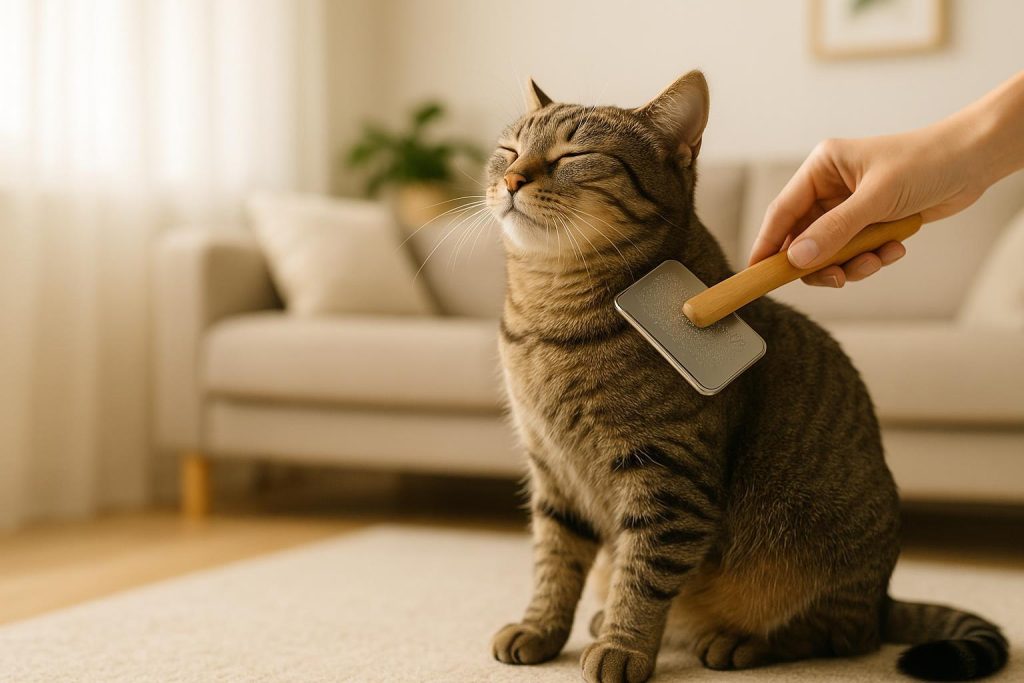
Regular grooming is among the most direct ways to curb the spread of cat dander. By brushing your cat’s fur daily or every other day (depending on breed and coat length), you help remove loose hair and dead skin cells before they accumulate in your home. Most cats actually enjoy the rhythmic action of grooming, and it can become a calming routine for both the pet and the owner. In some cases, an occasional bath may be helpful, though it is best to consult your veterinarian for recommendations. Bathing a cat too often might irritate its skin, leading to more dander instead of less. If your cat truly dislikes full baths, try using pet-friendly wipes or waterless cat shampoos, which can minimize stress for your feline while still reducing dander and odors.
Frequent Vacuuming and Specialized Filters
One of the most effective ways to capture dander from floors and furniture is regular vacuuming. If possible, vacuum daily in high-traffic areas and two to three times a week elsewhere. Focus on rugs, carpets, and upholstery, which are common hotspots for dander to settle. For best results, use a vacuum with a HEPA filter. These high-efficiency filters trap very small particles, ensuring dander is captured rather than recirculated into the air. Additionally, pay attention to corners, baseboards, and any nook where fur and dust might accumulate. A crevice tool or a specialized pet attachment can be a big help in reaching every home detail. Over time, adopting a more thorough vacuum routine will help keep your home fresher and more comfortable for everyone, including guests with allergies.
Damp Dusting Techniques for Dust-Prone Surfaces
Although dusting with a dry cloth might seem convenient, it often sends allergens back into the air. A damp dusting strategy can help keep cat dander under control by trapping particles instead of redistributing them. Use a microfiber cloth moistened with plain water or a mild cleaning solution; microfiber fabrics are better than standard cloth because they attract and hold dust effectively. Pay special attention to surfaces like shelves, window sills, picture frames, and electronics, as these areas accumulate dust and dander more quickly. By cleaning with damp cloths, you’ll remove dander right away instead of hastily moving it from one place to another.
Launder Bedding and Fabrics Regularly
Beyond your cat’s bedding, soft furnishings such as throw blankets, decorative pillows, and curtains also deserve attention. Wash these fabrics routinely in hot water (if permissible) to break down allergens. If you have a cat that likes to nap on your bed, consider using a washable duvet cover you can easily remove and clean. Cat beds—especially those with plush materials—can trap lots of fur and dander, so choose a bed with a removable cover if possible. Laundering these items frequently can lead to a noticeable difference in the overall amount of airborne dander in your home. Fresh, clean fabrics help maintain a healthier environment and can minimize sneezing or congestion for both you and guests.
Improving Indoor Air Quality
Fairly often overlooked, indoor air quality is a crucial factor in reducing cat dander. One simple method is to keep windows open for short periods to let in fresh air, though this is not always possible during colder months. Another popular—and very effective—way to control airborne dander is using an air purifier with a HEPA filter. These devices remove tiny particles from the air continuously, improving air quality in rooms where the cat spends the most time. In addition, investing in a home ventilation system or scheduling routine HVAC maintenance can make a significant difference, since dirty vents can blow settled dander back into a room. Maintaining clean air filters in HVAC systems along with stand-alone purifiers can significantly minimize allergy triggers.
Room-by-Room Organization and Decluttering
A neat, organized home is more than an aesthetic choice; it also prevents cat dander from settling into hard-to-reach areas. Cluttered surfaces gather dust and dander quickly, and tackling it becomes more challenging. By organizing and decluttering each space systematically, you make overall cleaning simpler and ensure that you can get to every spot where allergens might hide. Consider storing items in sealed bins or cabinets to reduce the surface area on which dander can accumulate. If you need professional help with organizing and de-cluttering, you could explore specialized services—for instance, organizing services can help transform a cluttered space into a neat, dander-minimized zone.
Steam Cleaning Carpets and Upholstery
For deep-seated dander in rugs, carpets, and upholstered furniture, steam cleaning can be a highly effective solution. The hot steam dislodges dander, and the extraction process pulls it away from the fibers. While vacuuming is crucial for regular upkeep, occasionally scheduling a thorough steam clean helps address any buildup that standard vacuuming might miss. Carpeted stairs, area rugs, and sofas are prime spots for a concentrated steam cleaning session. If you prefer professional help, look for cleaning experts who use pet-friendly solutions. Frequent deep cleaning—especially in homes with multiple cats—can yield a noticeable improvement in air quality and overall home freshness.
Allergy-Friendly Zones in Your Home
If allergies are a serious concern for you or your family members, consider creating designated cat-free zones within the home. The bedroom is one common choice since sleeping areas can remain a sanctuary for allergy sufferers. By disallowing your cat access to these areas, you automatically reduce dander levels where you rest, potentially improving sleep quality. Make sure to keep the door closed and follow the other cleaning tips—vacuuming, washing linens, and using air purifiers. Over time, having cat-free zones can greatly reduce an individual’s exposure to dander, helping them manage symptoms more effectively while still enjoying the companionship of a cat in other parts of the home.
Personal Hygiene and Handwashing
Though the key steps to reducing cat dander revolve around cleaning the environment, don’t underestimate personal hygiene. Dander can cling to clothing, especially if you’ve been petting or holding your cat. Wash your hands after extended contact, and if you’re particularly sensitive, change your clothes when they’re covered in cat hair. Some people even keep a lint roller handy for a quick fix. Always remember that the more diligently you remove dander from yourself, the less it will spread to other areas of the home. By giving attention to simple habits like handwashing, you add an extra layer of protection against allergy triggers.
Consider Professional Cleaning Services
Since routine cleaning is an essential part of controlling cat dander, sometimes it’s easier to leave the heavy lifting to trusted professionals. Hiring a residential cleaning team can save you time and stress, especially if you have a busy schedule or a multi-cat household. A professional crew can tackle carpets, upholstery, and high-traffic zones with thorough attention to detail. Locally owned companies may also be more responsive to your specific needs, and they typically offer flexible scheduling to accommodate any routine. Whether it’s steaming carpets, wiping down baseboards, or focusing on tailor-made cleaning solutions, pro-level care can help reduce cat dander significantly. If needed, you can also explore specialized cleaning services on a one-time or recurring basis to maintain a healthier home environment over the long term.
Putting It All Together
Tackling cat dander doesn’t have to be difficult once you know which strategies will be most effective in your home. By incorporating regular grooming, adhering to diligent cleaning practices, and paying attention to air quality, you can make your living space a haven for both feline friends and humans. It’s a matter of consistency: frequent vacuuming, the use of HEPA filters, and routine washing of fabrics all contribute to fewer allergens circulating through the air. Placing your cat’s bedding in convenient washing locations makes cleaning up dander even simpler. Almost all these steps—damp dusting, steam cleaning, and occasional professional services—reinforce one another, gradually making a visible and breathable difference in your space.
Ultimately, every home and cat-owner relationship is unique, so feel free to adapt these guidelines to fit your lifestyle. Some cats require brushing more frequently, while others may tolerate occasional baths. If you stay mindful of litter areas, wash hands after cuddles, and keep on top of vacuuming, the payoff comes in the form of a cleaner, more comfortable interior for the whole family. By giving thoughtful attention to these details, you’ll be well on your way to enjoying the joys of cat companionship without letting dander and allergens take center stage.
