
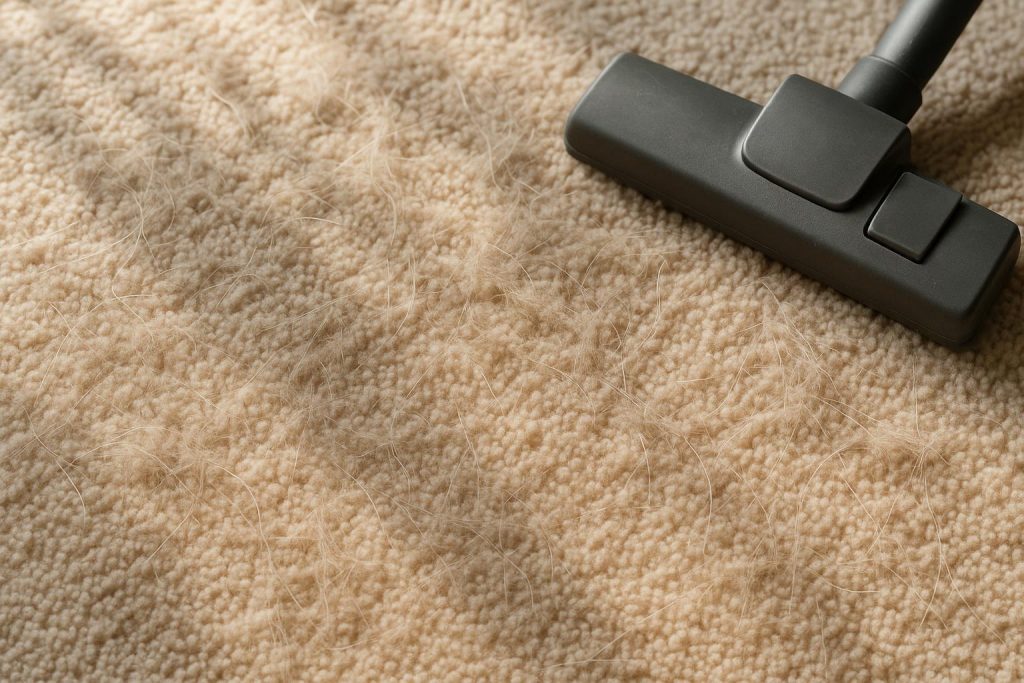
Understanding Pet Dander and How to Remove It from Carpet
Pet dander is a common concern for anyone who shares their living space with furry companions. Those tiny flakes of dead skin shed by cats, dogs, and other pets can cling to carpet fibers, accumulating over time and triggering allergies or respiratory discomfort. While you may not always see it, dander can linger beneath the surface of the carpet, waiting to get stirred up with every footstep. Knowing how to tackle this hidden residue is essential if you want to keep your home fresh, clean, and comfortable for both two-legged and four-legged family members. In this comprehensive guide, we’ll explore what dander is, why it poses challenges, and how you can effectively remove it from your carpet.
What Is Pet Dander?
Pet dander consists of microscopic skin cells shed by animals like dogs, cats, rodents, rabbits, or birds. These microscopic flakes can’t always be seen by the naked eye, but they make their way into sofas, curtains, and of course, carpets. Dander is a bit different from fur or hair. In fact, even low-shedding breeds of cats or dogs can still produce dander, which can be a major irritant for individuals prone to allergies.
One of the challenges with dander is how easily it becomes airborne. Whenever your pet moves around, jumps on the furniture, or plays, microscopic particles of dander float into the air and eventually settle onto household surfaces. Over time, these flakes embed themselves deep within your carpet fibers. Because dander is so lightweight, it also gets recirculated by your home’s air passages, and might trigger allergy symptoms like sneezing, itchy eyes, and a runny nose. Whether you’re a long-time pet owner or someone new to having pets at home, it’s useful to know how dander accumulates and why it’s so essential to remove it.
Why Removing Dander Is Important
While keeping your furry friends around is wonderful, the byproduct of excess pet dander can become a real nuisance. Not only does it trigger allergies, but it may also create persistent odors and degrade overall indoor air quality. Individuals with asthma or compromised respiratory systems can find themselves struggling for breath in a home that harbors too much dander. These health considerations are often the driving force behind regular dander removal. Additionally, from a purely practical standpoint, carpets holding onto a lot of dander can look dull and wear out more quickly. The microscopic skin flakes can weaken the integrity of carpet fibers over time. Taking the time to thoroughly remove dander can help you maintain a fresh-smelling, visually appealing carpet that lasts longer.
On top of that, if you have visitors or family members who are sensitive to pet allergens, a high level of dander can turn an otherwise comfortable gathering into an experience filled with sneezing and discomfort. By paying attention to the presence of dander, you’ll create a healthier, more welcoming environment for everyone.
Vacuuming Techniques for Dander Removal
One of the first steps in tackling pet dander is a regular and meticulous vacuuming approach. A simple once-over may not be enough, especially if your home is bustling with energetic pets. Here are a few handy vacuuming tips:
- Frequency Matters: In households with pets, vacuuming every two to three days can significantly reduce the amount of pet dander in the carpet.
- Slow and Steady: Move your vacuum cleaner slowly across the carpet. Rushing through can cause the vacuum to miss dander particles clinging deep in the fibers.
- Multiple Passes: Sometimes a single pass with the vacuum won’t be sufficient. Multiple slow passes in alternating directions create better suction and can lift more dander out of the pile.
- Focus on High-Traffic Zones: Areas where pets spend the most time—like near their favorite chair or where they sleep—deserve extra passes. Pay special attention to these hotspots to capture as many dander flakes as possible.
This thorough approach to vacuuming is one of the simplest ways to tackle excess pet dander. With consistency and the right vacuum settings, you’ll notice a big difference in your carpet’s appearance and freshness.
Using the Right Tools: HEPA Filters and Attachments
Even if you vacuum at the correct frequency and pace, the kind of vacuum you use can make a big difference. Many homeowners discover that traditional vacuum cleaners blow certain allergens back into the air through their exhaust systems. Consider the following features when choosing a vacuum specifically for dander removal:
- HEPA Filters: High-Efficiency Particulate Air (HEPA) filters are designed to capture very small particles, including pet dander. HEPA-filtered vacuums ensure the air expelled is significantly cleaner, trapping many common allergens that regular filters can miss.
- Motorized Brush Attachments: Vacuums that have a motorized brush or “beater bar” can be more effective at lifting dirt, hair, and dander from deep in the carpet fibers. This helps dislodge pet dander from beneath the surface layer of the carpet.
- Crevice Tools: Dander can settle around edges, in corners, and near baseboards. A crevice tool is immensely helpful for getting into those tight spaces that a regular vacuum head can’t reach.
- Upholstery Tools: If you have upholstered furniture near the carpet, consider using an upholstery attachment as well. Pet dander travels widely, so removing it from all surfaces decreases its chance of re-embedding in the carpet.
By investing in the right vacuum and taking care of its maintenance—like regularly cleaning or replacing filters—you’ll be better prepared to keep dander at a manageable level in your home.
Spot Cleaning Stubborn Areas
While vacuuming is key, some stubborn spots may require special attention—particularly if they’ve been soiled by pet accidents or other spills. For deep-seated dander or dirt, spot cleaning can be very effective. Here’s how:
- Enzymatic Cleaners: Pet-friendly enzymatic sprays help break down organic residues (including skin cells). Lightly spray the area, let it sit, then gently blot with a clean cloth.
- Gentle Brushing: Use a soft brush or an old toothbrush to loosen any ground-in dander from the carpet fibers. After brushing, go over the spot with a vacuum again.
- Avoid Oversaturation: When applying cleaning solutions, use them sparingly. Over-saturating the carpet can lead to mold or mildew and could set the stain deeper.
This kind of targeted cleaning keeps individual trouble areas from turning into larger issues down the road. Combine this with consistent vacuuming, and you’ll be well on your way to a home with fewer allergens.
Natural Remedies and Deodorizers
If you prefer a more natural approach—or simply want your carpet to smell fresh without strong chemical fumes—several household items can help reduce dander and odors:
- Baking Soda: Liberally sprinkle baking soda onto the carpet, let it sit for a few hours (or overnight), and then vacuum thoroughly. This helps neutralize odors and can trap some dander in the process.
- Vinegar Solution: Mix equal parts water and white vinegar in a spray bottle. Lightly mist the carpet to help loosen dander and neutralize smells. Allow it to dry fully before vacuuming.
- Essential Oils: A drop or two of pet-safe essential oils, like lavender or chamomile, added to your cleaning solution helps freshen the air. However, be sure to check with a veterinarian to confirm certain oils are safe for pets.
These easy do-it-yourself remedies can significantly improve your carpet’s freshness in between deeper cleanings. They’re also a great way to minimize chemicals in your home if you or your pets have sensitivities.
Professional Cleaning Services for Stubborn Dander
Over time, even a rigorous at-home cleaning routine might not be enough to tackle deeply embedded dander. In such cases, it can be beneficial to enlist professional help—particularly if you (or family members) have severe allergies. Professional cleaning services often use high-powered steam cleaning or hot water extraction methods that reach deep into carpet fibers, loosening and lifting stubborn particles.
In regions like Edmonton, many families have discovered that scheduling a thorough cleaning once or twice a year greatly reduces allergens over the long term. A professional cleaning crew can target problem areas you might have overlooked, ensuring every corner of your carpet is free from built-up dander. Hot water extraction systems reach deep into the pile with a combination of heated water and gentle but effective cleaning solutions designed to remove dander, hair, dust mites, and more. If, at the end of a busy week, you find yourself pressed for time or simply want the peace of mind that comes from a detail-oriented approach, turning to the pros is a great option.
When considering professional solutions, choosing a trusted, locally owned company can make all the difference. If you live in Edmonton or the surrounding areas, you may benefit from working with a team that understands the local environment and climate-related challenges. Professionals can also provide personalized recommendations, such as residential cleaning services that target not just your carpets but the entire home environment—ultimately helping you and your family breathe easier.
Preventive Measures for a Dander-Free Home
Beyond carpet cleaning, there are a number of preventive strategies that can help keep your home’s dander levels low:
- Regular Pet Grooming: Establish a grooming routine, which can include frequent brushing and occasional baths. This reduces the amount of loose skin flakes that end up in the home.
- Keep Pets Off Furniture: If possible, train pets to stay off beds and couches, or at least use protective covers that you can wash regularly.
- Wash Pet Bedding: If your pet has a favorite blanket, pillow, or bed, wash it weekly to remove the buildup of dander.
- Air Purifiers: Consider using HEPA-equipped air purifiers in rooms where your pets spend the most time. This helps capture airborne dander and reduces its circulation.
- Routine Deep Cleaning: Combining professional cleaning with diligent at-home practices can minimize the amount of dander that accumulates over time. Whether it’s vacuuming more often or scheduling a periodic deep steam cleaning, consistency is key.
By implementing even a few of these measures, you’ll stay on top of the dander problem and reduce the need for frequent emergency cleanups.
Conclusion
Keeping your carpets free of dander is about more than just appearances; it’s also a matter of maintaining a healthy and comfortable home environment. From vacuuming regularly with the right tools, to trying out natural deodorizers like baking soda and vinegar, you have plenty of options to help ensure that pet dander doesn’t overrun your living space. Spot cleaning stubborn areas prevents small issues from turning into bigger problems, especially in those corners and crevices where dander loves to hide.
If your schedule is already jam-packed or if you’re dealing with adding more tasks to an overpacked routine, you’re not alone. Residents in Edmonton and beyond often turn to professional cleaning services to tackle dander buildup in their carpets. Whether you do it yourself or call upon trained teams, making carpet care a priority can greatly enhance your indoor air quality and protect your family’s health—furry members included! By following the tips outlined in this guide, you’ll be well on your way to a fresher home where everyone can breathe easy.
