
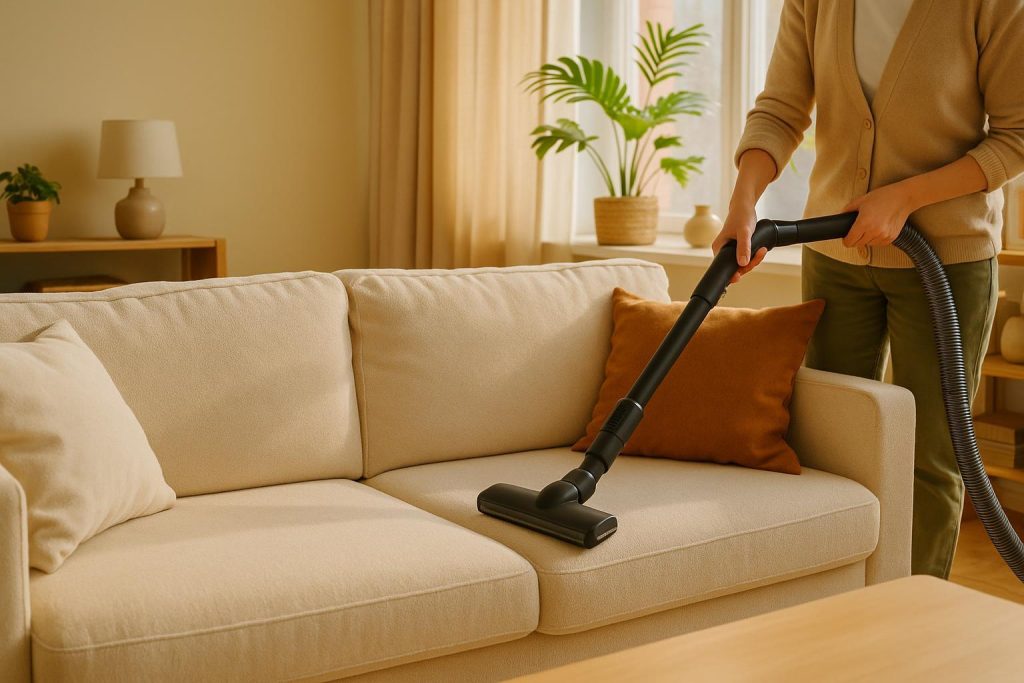
An Essential Guide to Vacuuming Upholstery
Upholstery often provides the welcoming, comfortable look and feel we crave in our living spaces—whether it’s a cozy sofa in the living room, cushioned chairs around the dining table, or a favorite recliner in the den. Yet, with everyday use, upholstery quickly collects dust, dirt, and other debris. A regular vacuuming schedule can help preserve its freshness, protect the fabric, and prolong its lifespan. In this comprehensive guide, we’ll explore how often you should vacuum upholstered furniture, why it matters, and how to maximize the benefits of your cleaning routine.
Why Vacuuming Your Upholstery Matters
Many people underestimate the role of vacuuming in keeping upholstery fresh and clean. While vacuuming is often thought of as a floor-centric chore, the upholstered surfaces in your home harbor just as much dust and debris—if not more—due to direct contact with people, pets, and everyday elements.
Here are a few reasons why vacuuming upholstery should be an integral part of your cleaning routine:
- Removes Dust and Allergens: Soft furniture is a magnet for airborne particles like pollen, pet dander, and general household dust. Regularly vacuuming can help clear these irritants, creating a healthier environment for you and your family.
- Prevents Gradual Wear: Sand, dirt, and rough particles can become embedded in fabric fibers. Over time, this can lead to abrasions and an overall worn look. Vacuuming prevents these particulates from grinding against the fabric.
- Improves Appearance: By removing visible dirt and reviving the pressure-fluffed fibers, vacuuming instantly refreshes the look of your couch, chairs, or other upholstered pieces. This helps your furniture maintain a neat, inviting appearance.
- Eliminates Odors: Trapped debris in upholstery can contribute to unpleasant odors, particularly in households with pets or in settings where foods and beverages are consumed on the sofa. Regular vacuuming prevents these odors from building up.
Key Factors Determining Vacuuming Frequency
While vacuuming upholstery is undeniably beneficial, how often you should do it depends on a number of factors unique to your household. Understanding these variables helps you tailor a schedule that meets your specific needs.
1. Household Size and Activity Level
The number of people in your home and how frequently they use the furniture can dramatically affect how quickly it gets dirty. A large family with children may find snack crumbs and pet hair accumulating more often, necessitating frequent vacuuming. Conversely, a single person or a couple might only need moderate upkeep if they don’t spend too much time on the furniture.
2. Presence of Pets
If you have dogs or cats, you know pet hair seems to find its way onto every surface—especially soft seating. Pets that enjoy lounging on the couch can leave behind fur, dander, and potential allergens. Vacuuming the furniture frequently helps keep pet-related debris under control and your surfaces looking pristine.
3. Allergies and Respiratory Sensitivities
If anyone in your household struggles with allergies or asthma, frequent vacuuming is a must. This helps minimize triggers like dust mites, pollen, or pet dander that can linger in upholstery. Regular vacuuming is a simple but effective way to improve indoor air quality.
4. Upholstery Material
Different fabrics have unique care requirements. Delicate materials such as silk blends or velvet may require specialized vacuum attachments and more cautious approaches. Sturdier, tightly woven fabrics can handle more frequent vacuuming without the risk of damage.
General Guidelines on How Often to Vacuum Upholstery
While you’ll ultimately tailor your schedule to your household’s unique circumstances, here are some general rules of thumb:
- Weekly for Heavy Use: If you have a bustling household—complete with kids, pets, or plenty of lounging—aim to vacuum upholstered furniture at least once a week. This routine keeps accumulation at bay and ensures cleanliness.
- Every Two Weeks for Moderate Use: In homes where the couch is used moderately, vacuuming every other week is generally sufficient. This balance helps maintain fabric quality without feeling like an excessive chore.
- Monthly for Light Use Spaces: Guest rooms, formal living areas, or other less-used parts of the home can be vacuumed on a monthly basis. Nonetheless, keeping an eye out for dust or pet hair is still wise, particularly if you plan to entertain.
Of course, if you see visible debris or suspect a spill, don’t wait until your next scheduled vacuuming session—address it promptly. Staying proactive keeps your upholstery in top shape and prevents any potential stains or damage from settling in.
Step-by-Step Tips for Effective Upholstery Vacuuming
Vacuuming upholstery properly is more than running a vacuum attachment across your furniture for a few seconds. To get the most out of each cleaning session, consider the following tips:
- Choose the Right Vacuum Attachment: Look for a brush or upholstery nozzle designed to clean fabric without damaging the fibers. Many vacuum models come with a dedicated upholstery tool that has soft bristles or a felt-like bottom.
- Remove Loose Cushions and Pillows: Detach any removable cushions or pillows to more thoroughly remove dirt on every surface. Vacuum each side of the cushions separately, including the crevices where debris might settle.
- Use Short, Overlapping Strokes: Move the vacuum steadily over the fabric. Overlapping strokes ensure you capture as much dust, hair, and lint as possible. Varying the direction (up-down and side-to-side) can also help dislodge stubborn particles.
- Pay Attention to Crevices and Seams: Upholstery seams, stitching lines, and corners are prime spots for dust buildup. Use a crevice tool if available, or attach a smaller brush head to reach these tight spaces.
- Don’t Forget Underneath the Furniture: If possible, lift or tilt the piece to vacuum the underside and legs. Crumbs and dust can accumulate here too, particularly if you have pets who like to hide under couches.
- Consider a Gentle Vacuum Setting: Delicate or vintage furniture fabrics benefit from lower suction settings. If you can adjust the vacuum’s power, dial it down to prevent damaging fragile fibers.
Adapting Vacuuming Routines to Specific Fabrics
The type of upholstery you have goes a long way in dictating how you vacuum and how often. Some fabrics like cotton or linen blends are generally durable, whereas more delicate materials call for extra care.
Natural Fibers:
Cotton or linen-based upholstery typically handles regular vacuuming well. Just be sure to use a soft-bristled attachment, as these materials can show wear if scrubbed too vigorously.
Synthetic Fabrics:
Polyester, nylon, or microfiber are commonly used for upholstery because they stand up to everyday use. Frequent vacuuming is usually safe, but always double-check manufacturer guidelines for specific recommendations.
If you’re ever in doubt about ideal care, test your vacuum attachment in a small, inconspicuous area. This prevents unfortunate surprises and helps confirm that your chosen setting or tool won’t damage the fibers.
Managing Pet Hair and Dander
Pets are a delight, but dealing with their shedding can be challenging. Even short-haired pets can leave behind a surprising amount of hair and dander on your furniture. Here’s how to make vacuuming more effective in households with furry companions:
- Use a Specialized Pet Hair Attachment: Some vacuum models include a rotating brush specifically designed to lift embedded fur off upholstery.
- Groom Pets Regularly: Keep up with your pets’ grooming routine. Reducing the amount of loose fur on your dogs or cats lessens how much ends up on the couch.
- Target Cushions and Throws: If you place additional blankets or cushion covers on the couch for your pet, focus on vacuuming these items regularly, too.
Frequent vacuuming with a quality tool can drastically cut down on hair accumulation. For more stubborn areas, a quick pass with a lint roller or rubber brush can also help pick up stray fur.
Additional Upholstery Care Beyond Vacuuming
While vacuuming forms the cornerstone of upholstery upkeep, it’s not the only measure you can take to keep your furniture in excellent condition. Here are a few extra steps you might consider:
- Spot Cleaning: Accidents happen—especially if you have kids, pets, or frequent guests. Address spills right away using the appropriate cleaning solution for the fabric. Always blot (never rub) with a clean cloth.
- Fluff Cushions: From time to time, fluff any loose cushions to maintain their shape and comfort. This helps disperse any settled dust as well.
- Professional Deep Cleaning: Even with diligent vacuuming, scheduling a professional upholstery cleaning once or twice a year can help refresh fabrics, remove set-in stains, and preserve long-term quality.
When to Consider Professional Assistance
If you have limited time for routine vacuuming or worry about damaging delicate fabrics, you might think about seeking professional upholstery care. Professional cleaning companies often have specialized equipment and the expertise to handle various materials without risking shrinkage, discoloration, or other problems.
Those in busier households might especially appreciate professional help; rather than juggling vacuum attachments in spare moments, you can rely on a trusted team to provide comprehensive cleaning. If you live in the Edmonton area and need assistance revitalizing all areas of your home, you may find our Residential Cleaning services helpful. Professional teams often go beyond surface vacuuming to apply thorough techniques that lift hidden dirt and odors, leaving your upholstery fresh and comfortable.
Making Vacuuming Part of an Overall Cleaning Plan
Consistency is key when it comes to caring for upholstery. By folding routine vacuuming into your broader housework schedule, you’ll avoid letting dust and dirt build up. Whether you create a weekly or monthly rotation, the goal is to stay ahead of any visible signs of soiling.
Talk with family members, roommates, or any professional cleaners you hire about your vacuuming preferences, ensuring everyone follows the same guidelines to prolong the life of sofas, armchairs, and other upholstered items. Being “fussy” about small details goes a long way toward preserving the comfort and beauty of your furniture.
Final Thoughts
Vacuuming upholstery may feel like a minor task, but its impact on your home’s cleanliness and comfort can be substantial. Whether you’re in a bustling household packed with energetic kids and playful pets or enjoying a quieter space, regular vacuuming is the best way to keep your furniture looking—and feeling—its best. By following a consistent schedule and using proper techniques, you’ll extend the life of your upholstery while creating a healthier environment for yourself and your loved ones.
In short, the more often you vacuum your upholstery, the more your furniture—and your air—benefits. Adapt the timing to your specific situation, stay alert for signs of wear, and address spills promptly. With a little diligence, you’ll save money on replacements, keep your living spaces fresh, and enjoy the comfort of clean, inviting furniture for years to come.
