
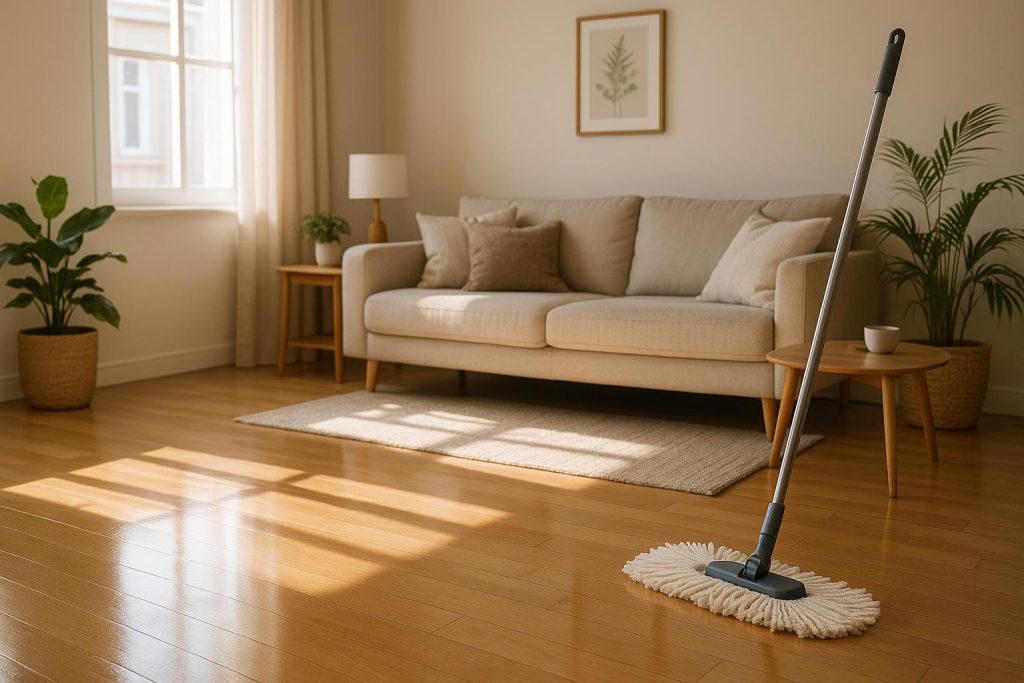
Effective Strategies for Consistently Clean Floors
Mopping is an essential part of keeping a home clean, healthy, and welcoming. Yet, there is often some confusion about how frequently you should mop your floors. The answer is that it depends on several factors, including floor type, how many people (and pets) use the space, and the amount of dust or debris that typically collects. By learning the best practices, you can develop a mopping schedule that works for your lifestyle. Below, we’ll explore the advantages of regularly mopping your floors, discuss how different floor types require varying approaches, and share easy-to-follow guidelines for creating a cleaning routine that keeps your floor surfaces gleaming.
Why Mopping Matters
Regular mopping not only restores your floors’ appearance, it also helps eliminate germs, allergens, and unpleasant odors. If you have children or pets, the importance of a clean floor is magnified. Little hands and paws often come in direct contact with surfaces, tracking dirt and germs from outdoors to indoors. This makes mopping crucial for a healthy home environment. Some of the top reasons why mopping matters include:
- Eliminating Bacteria and Allergens: Mop water helps to lift away dust, allergens like pet dander, and bacteria that can accumulate from everyday activities.
- Preventing Stains and Discoloration: Spills that linger can leave behind residue and create discoloration. Prompt mopping helps keep your floors looking fresh and uniform.
- Enhancing Indoor Air Quality: Dust and debris can be stirred up by fans or foot traffic. By removing these particles, you maintain better air quality for everyone in your household.
Factors That Determine Mopping Frequency
No two homes are alike, and your mopping schedule should adjust to fit your unique situation. Below are some important factors to consider:
- Foot Traffic: Areas with heavy foot traffic, like kitchens, hallways, and entryways, may need to be mopped more often. Kitchens, for instance, see spills and splatters daily, so a weekly or twice-weekly mop could be advisable.
- Presence of Pets: With pets in the home, floors can accumulate fur, paw prints, or even accidents. This means you might consider mopping these problem areas every few days, especially if your pets frequently roam indoors after being outside.
- Floor Material: Different floor types have their own cleaning requirements and sensitivities. For instance, hardwood shouldn’t be exposed to excessive moisture; tile can be more forgiving; and laminate requires mild cleaning solutions.
- Allergies or Health Conditions: If anyone in your household is prone to allergies or respiratory issues, frequent mopping can help. A cleaner environment reduces allergens, dust, and even pollen that might get tracked in.
- Climate and Season: Depending on the time of year, you might need to adjust your schedule. In wetter seasons, mud and moisture may be tracked onto floors, while in dry seasons dust can accumulate quickly.
Different Flooring Types and Their Cleaning Needs
It’s important to understand the characteristics of your specific flooring. While most floors can be cleaned with a mop, the frequency and technique can vary considerably from one material to another.
Hardwood Floors
Hardwood floors bring a warm, inviting feel to any space, but they are particularly vulnerable to water damage. For day-to-day upkeep, dry cleaning methods—like sweeping or vacuuming—are best. When it comes to mopping, it’s recommended to do so once every week or two in high-traffic areas, and less often in rooms that see minimal use. Always use a damp (not soaking wet) mop and a cleaning solution specifically formulated for hardwood. Keep in mind that excessive water can cause the wood to warp or buckle over time, so a light touch is key.
Tile Floors
Tile floors can handle more water than hardwood, making them popular in bathrooms and kitchens. These high-moisture areas tend to collect grime faster, so aim to mop at least once a week. If you notice buildup in your grout lines, spot-cleaning in between full mopping sessions can help preserve that fresh look. Also, be mindful to select a cleaner that’s suited for grout and tile surfaces, as abrasive chemicals could discolor your tiles or wear down the grout over time.
Laminate Floors
Laminate flooring is designed to resemble hardwood or tile. It’s often more affordable and can be relatively easy to maintain. However, it also withstands only moderate amounts of moisture. Mop with a slightly damp microfiber pad every one or two weeks, especially in areas with heavier use. Avoid harsh cleaning agents that can dull or damage the laminate finish; instead, choose a solution labeled safe for laminate to prevent streaks.
Vinyl Floors
Vinyl is known for being resilient and budget-friendly. It’s non-porous, so it can stand up to spills fairly well. A weekly mopping is typically enough for vinyl floors, but you can quickly spot-mop for spills and scuffs as needed. Use a cleaner formulated for vinyl, and steer clear of steam mops that may cause the adhesive beneath the vinyl to loosen or warp.
Step-by-Step Mopping Tips
Regardless of the flooring type you have, good mopping technique makes a difference in both cleanliness and efficiency. Here’s a straightforward approach you can rely on:
- Clear the Floor: Remove any rugs, chairs, or small furniture to create an open area. This makes it easier to reach every corner.
- Sweep or Vacuum First: It’s vital to remove loose debris before mopping to avoid pushing dirt around and creating streaks.
- Choose the Right Cleaning Solution: Read product labels carefully. A wood-safe cleaner should be used for hardwood, while a tile-specific solution is best for ceramics. Follow usage instructions to avoid over-soaking your floor.
- Wring Out the Mop or Pad: Overly wet mops can damage certain flooring types. Aim for a slightly damp tool, particularly on wood and laminate.
- Mop in Sections: Work on a small area at a time. This allows you to rinse and wring the mop more frequently, maintaining a cleaner contact with the floor.
- Rinse Thoroughly: If your cleaning solution requires rinsing, do so with clean water, and ensure your mop is well wrung out before continuing.
- Allow to Dry: Give the floor sufficient time to air dry. Keep kids and pets away from the area so they don’t create footprints or slip.
How Often to Mop Certain Areas
- Kitchens: These spaces often see cooking spills and regular foot traffic. Aim for once or twice a week, depending on how busy your household is.
- Bathrooms: With frequent moisture from showers and handwashing, bathrooms are prime spots for mildew and grime. A weekly mop, including attention to corners and around the toilet base, helps maintain hygiene.
- Living Rooms and Bedrooms: In lower-traffic areas with minimal spills, mopping once every two weeks is generally enough. If you have pets that spend time in these rooms, a weekly pass might be more suitable.
- Entryways and Hallways: These areas gather dust and outdoor dirt quickly, so weekly—or even twice-weekly—mopping can be beneficial in seasons when mud is a factor.
Common Mopping Mistakes to Avoid
Even with a solid strategy in place, you might face a few pitfalls as you refine your cleaning routine. Here are some frequent mistakes and how to sidestep them:
- Using Too Much Water: Oversaturation can cause wood floors to warp and grout lines to become compromised. Less water generally means fewer issues in the long run.
- Not Changing the Mop Pad or Rinsing Often: A dirty mop will simply spread grime. Swap out or rinse frequently to prevent leaving dirt behind.
- Skipping the Sweeping Step: Large debris or dust can scratch your floors if you fail to clear it away first.
- Using Harsh Chemicals: Always double-check that your cleaner is safe for the flooring material. Incorrect products can lead to discoloration or a dull finish.
Additional Tips for a Sparkling Floor
When you’re looking to truly enhance the look and longevity of your floors, consider these helpful tips:
- Spot Clean Spills Immediately: Drying time is minimal if you tackle spills as they occur, which also helps you avoid sticky residues.
- Use Area Rugs: Placing rugs in high-traffic zones can protect sensitive floors from wear and tear. Be sure to clean beneath those rugs regularly.
- Try a Damp Microfiber Cloth for Quick Touch-ups: This can be a lifesaver when you spot muddy footprints or small drips—just run a damp cloth over the spot and follow up with a quick dry.
- Rotate Your Furniture: If your floors see heavy use, shifting furniture reduces pressure points and allows for an even distribution of wear.
Deciding When to Call in Professionals
Clean floors are a big part of a relaxing home, but life can get busy—especially if you have a demanding schedule or multiple family responsibilities. Even if you keep up with frequent mop sessions, you might appreciate a thorough deep cleaning from time to time. For a comprehensive home refresh, or a specific service like move-in and move-out cleaning, working with professional cleaners can save you a lot of time and stress. If you live in the Edmonton area, for example, you might benefit from a locally owned company that offers residential cleaning services. A detail-oriented crew can help ensure every nook and cranny is tackled, leaving even your toughest spots looking spotless. If you’re preparing your space for new tenants or getting ready to move, you could explore move-in and move-out cleaning services to expedite and simplify the transition.
In addition, a professional service may provide routine maintenance to keep hardwood floors polished and free from scratches, or apply the right products on tile and laminate so they shine without losing their finish. Smaller tasks like sanitizing baseboards, scrubbing grout lines, or cleaning under heavy furniture can also be done more effectively.
Maintain a Schedule that Works for You
Consistency is key to preserving the condition of your floors. Rather than “playing catch-up” and scrubbing away weeks of accumulated dirt, set a simple schedule based on your household’s needs. For instance, you could choose specific days for a quick wipe-down keyed to problem areas, and then schedule a thorough session every weekend or every other weekend. Tailoring your approach to each room guarantees that you spend your energy where it’s most needed.
Building a Healthier Home Environment
Beyond aesthetics, a well-maintained floor contributes to a healthier living space. When floors are clean, it’s less likely that children will pick up harmful germs, or that anyone in the home will be breathing in dust and allergens that can get kicked up simply by walking around. This improvement in air quality is often overlooked but is a significant benefit of regular mopping. Facing fewer allergens at home can make day-to-day life more comfortable, especially for those with asthma, seasonal allergies, or other sensitivities.
Final Thoughts
Ultimately, how often you mop your floors hinges on foot traffic, the type of floor, and personal preferences. Maintaining a clean home environment doesn’t have to be overwhelming—once you tailor a method to your needs, it becomes second nature. Remember to check labels on cleaning products, pay attention to moisture levels, and sweep or vacuum before every mopping session. Adoption of these best practices, along with occasional help from a trusted cleaning service, ensures that your floors look their best week in and week out.
If you’re in need of extra assistance, it never hurts to reach out for a quote or additional support. In busier regions like St. Albert or Edmonton, where homes experience a steady flow of visitors, maintaining clean floors can go a long way toward creating a welcoming environment. Stay proactive, make cleaning an achievable habit, and your floors will thank you by retaining their shine and durability for years to come.
