
Allergy-Friendly Cleaning: Frequency and Best Practices
For the millions of people who live with seasonal or year-round allergies, making sure their home is tidy and free of common irritants can be a challenge. Dust, pollen, pet dander, and mold spores often lurk in areas we don’t think about on a day-to-day basis. By following a strategic cleaning schedule and using effective techniques, you can significantly reduce allergens in your home and help everyone breathe easier. In this comprehensive guide, we’ll explore how often you should clean your house if you have allergies, some practical tips to keep allergens at bay, and the most important tasks to prioritize on a daily, weekly, and monthly basis.
What Causes Allergies in the Home?
Before we dive into how frequently you should be cleaning, it’s helpful to understand what you’re targeting. Allergens come in various forms, but the most common triggers you’ll find indoors include:
- Dust mites: Tiny, microscopic creatures that flourish in warm, humid conditions. They live in bedding, upholstery, carpets, and any other fabric surfaces.
- Pet dander: Even if you don’t notice shedding, pets like cats and dogs produce dry skin flakes that can trigger allergies. Non-shedding breeds can still create issues if an individual is sensitive, since they still produce dander and saliva.
- Pollen: Plant pollen often finds its way indoors on clothing, shoes, or even through open windows. While most people expect pollen in spring, it can be present year-round in certain climates.
- Mold spores: Mold thrives in damp, warm, and poorly ventilated areas (like bathrooms, basements, and around leaky pipes). Mold spores in the air can lead to respiratory discomfort and a range of allergic reactions.
- Chemical irritants: Certain cleaning supplies and fragrances contain ingredients that can irritate sensitive individuals. While not a true “allergen,” these irritants can still exacerbate allergy-like symptoms in some people.
Knowing which allergens cause issues for you or your family can help you customize your cleaning efforts. However, many people benefit tremendously from an all-around allergy-conscious cleaning strategy.
Why Frequent Cleaning Is Essential for Allergy Management
When it comes to allergies, a consistent cleaning schedule can spare you a lot of discomfort. Here’s why frequent cleaning matters:
- Reduces the allergen load: By regularly removing dust, vacuuming up pet dander, and washing fabrics, you limit the amount of irritants in your home. This, in turn, reduces the likelihood of allergic reactions.
- Prevents buildup: The longer you wait to clean, the more allergens build up on surfaces, in the air, and within fabrics. Over time, this buildup can become difficult to remove with a single quick cleaning session.
- Maintains healthier indoor air quality: Clean floors, furniture, and vents help your heating, ventilation, and air conditioning (HVAC) system distribute cleaner air around your house. By contrast, if dust and debris clog vents, they can circulate allergens from one room to another.
- Keeps surfaces hygienic: Allergies often go hand in hand with sensitive immune systems. A clean environment can help reduce the spread of bacteria and other germs that might trigger additional discomfort.
Of course, it’s not just about frequency. The cleaning methods and products you use can also make a huge difference in preventing or minimizing allergic reactions.
Daily Tasks for Allergy Relief
While no one wants to spend hours every day scrubbing every inch of their home, a few daily tasks can make a significant impact on allergens:
- Quick floor sweeps or spot-cleaning: If you have surfaces that accumulate visible dust or lint, give them a quick sweep. This helps prevent particles from scattering throughout your home.
- Wipe down counters and high-touch areas: Kitchen counters, doorknobs, and tabletops can accumulate both allergens and bacteria. A fast wipe with a damp microfiber cloth helps capture particles rather than just pushing them around.
- Wash dishes or load the dishwasher: Standing water in a sink or leftover food particles can contribute to mold or attract pests, which can worsen allergen levels.
- Manage clutter: Clutter can gather dust quickly. Returning items to their proper place each day ensures you have fewer surfaces for dust to settle on.
Daily cleaning doesn’t need to be overwhelming. Generally, 10–15 minutes of strategic tasks can keep dust and debris from accumulating excessively.
Weekly Cleaning Chores to Tackle Allergens
In addition to your daily upkeep, you’ll want to schedule a deeper clean once a week. This might take anywhere from 30 minutes to a couple of hours, depending on the size of your home and if you’re dealing with multiple types of allergens. Here are some key weekly tasks:
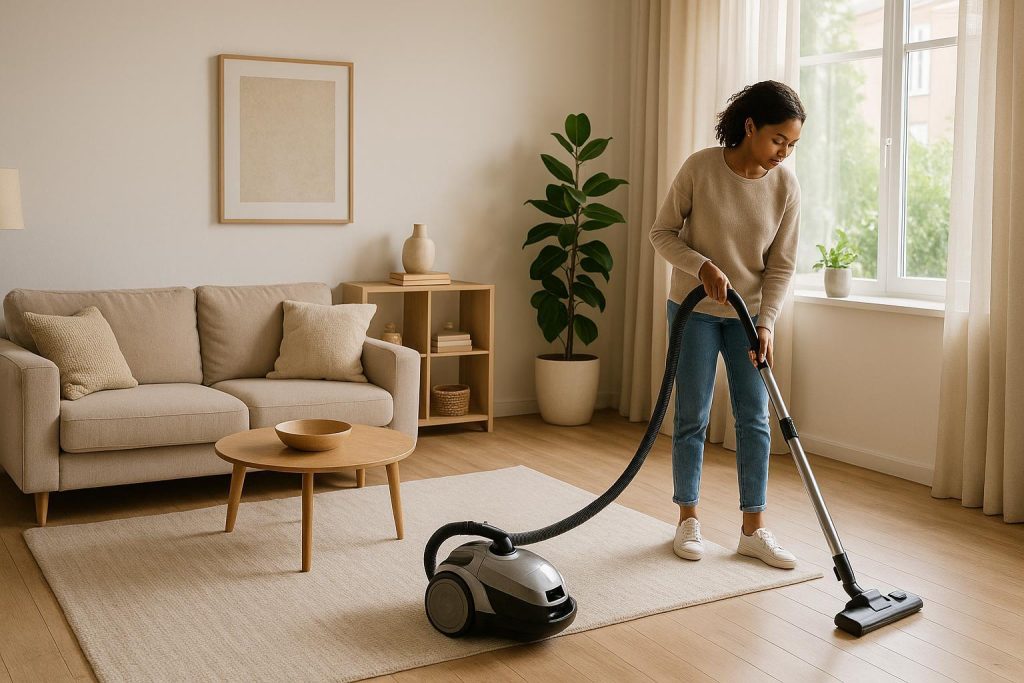
- Vacuum carpets and rugs thoroughly: Use a vacuum with a HEPA (High-Efficiency Particulate Air) filter to trap small particles like dust mites and pet dander. Move furniture if needed to reach hidden areas.
- Mop hard floors: After vacuuming, go over tiles, wood, or laminate floors with a damp mop to pick up lingering dust and pollen that your vacuum may have missed.
- Dust surfaces and fixtures: Microfiber cloths or electrostatic dusters help capture dust without sending it back into the air.
- Launder bedding: Sheets, pillowcases, and duvet covers should ideally be washed in hot water weekly. If you have severe dust mite issues, consider washing any blankets or mattress covers as well.
- Clean the bathroom: Focus on areas prone to mold, such as around the tub, shower curtains, and tile grout. Weekly cleaning prevents mold spores from taking hold.
- Wipe down electronics: Televisions, computer monitors, and gaming consoles attract dust. A quick wipe minimizes both dust buildup and static.
This weekly routine not only targets major allergen hotspots but also keeps your home feeling fresh. By incorporating tips like washing bedding and vacuuming with a HEPA filter, you’ll see a noticeable difference in how you breathe every day.
Monthly Deep Cleans and Maintenance
At least once a month, set aside time for a more in-depth clean. Monthly tasks help tackle areas that accumulate hidden or persistent allergens:
- Wash pillows and comforters: If they’re machine-washable, run them through a hot-water cycle to kill dust mites. If not, consider professional laundering or rotating them out.
- Dust ceiling fans, light fixtures, and vents: These out-of-reach spots are prime locations for dust to gather.
- Clean or replace filters: Many HVAC systems and air purifiers recommend replacing or cleaning filters every month to maintain healthy air circulation.
- Vacuum or wipe curtains and blinds: Window treatments can harbor pollen, dust, and even mild mold if exposed to condensation.
- Check for mold growth in hidden areas: Basements, backs of closets, or under sinks might develop mold if there’s moisture. Address small spots with a mild cleaner, but call in a professional for larger mold issues.
A monthly deep clean is the perfect time to reorganize and declutter any zones that may have become messy over the past few weeks. Less clutter means fewer surfaces for allergens to gather, making your next round of cleaning even easier.
Seasonal and Occasional Tasks
While weekly and monthly routines cover most of your needs, there are a few tasks that are often best tackled seasonally or as needed:
- Wash or replace heavy drapes and upholstery: Heavier materials hold onto allergens more than lightweight alternatives. Seasonal cleaning helps keep things fresh.
- Rotate and clean rugs: If you have area rugs, it can sometimes help to rotate them so one side doesn’t bear all the foot traffic (and dust). Periodic professional cleaning may also be beneficial.
- Deep-clean mattresses: A mattress protector can help, but you’ll still want to vacuum the mattress surface a few times a year to remove dust mites.
- Address windows, screens, and window sills: Over time, this is one of the fastest ways pollen and outdoor allergens slip inside.
- Check your HVAC ducts: Some homes may need occasional duct cleaning for maximum air quality. Consult a professional if you suspect your ducts may be spreading allergens.
Balancing Your Cleaning Routine with an Active Lifestyle
Life gets busy for many people, and cleaning can become an afterthought—even when you know it’s crucial for managing allergies. If you find it challenging to keep up, consider a schedule that fits your lifestyle better:
- Divide tasks: Assign family members or roommates different responsibilities. A coordinated approach ensures everything gets done while sharing the workload.
- Use reminders: Set weekly and monthly reminders on your phone or calendar. This ensures you don’t forget important chores.
- Look into professional help: If your allergies are severe or you simply lack the time, a professional cleaning service can be a game-changer. A detail-oriented team can handle essential tasks, from dusting high surfaces to vacuuming carpets with a HEPA filter.
Choosing Products and Methods That Won’t Aggravate Allergies
While cleaning frequently is important, using the right cleaning methods and products is just as essential. Some general guidelines include:
- Opt for fragrance-free or hypoallergenic products: Perfumes or harsh chemicals can irritate people with allergies. Look for labels that say “fragrance-free” or “hypoallergenic.”
- Avoid dry dusting: Dry cloths can push dust particles back into the air. A damp microfiber cloth, on the other hand, traps dirt effectively.
- Consider a steam cleaner: Steam cleaners can be versatile tools for cleaning floors, furniture, and bathroom surfaces without relying heavily on chemical cleansers.
- Wear a mask and gloves: If you’re highly sensitive, protect yourself from airborne particles while you clean by wearing a simple mask and gloves.
When Professional Services Can Help
Sometimes, no matter how thorough and regular your routine is, you might find that allergens continue to build up—especially if you have a busy schedule or larger home. This is where outside expertise can make a big difference. A local team familiar with the unique challenges of the Edmonton climate and living conditions can be invaluable in:
- Identifying hidden allergy triggers: Experienced cleaners know which areas are the most common culprits for mold or dust accumulation.
- Tackling deep-clean sessions: This includes steam-cleaning carpets, disinfecting bathrooms, and reaching high or hard-to-access places.
- Providing consistent scheduling: With routine service (weekly, biweekly, or monthly), you can maintain an allergen-reduced environment without disrupting your lifestyle.
- Offering specialized add-ons: Services such as organizing can help keep clutter in check, while additional laundry services ensure that your bedding, towels, and linens are always fresh.
How Frequently Should You Clean?
Putting it all together, the question of how often you should clean your house if you have allergies depends on a few factors, including the severity of your allergies, the climate in your area, and the presence of pets or other triggers. A general guideline might look like this:
- Daily: Light tasks like wiping counters, removing clutter, and spot-cleaning floors.
- Weekly: Deeper tasks like vacuuming (with a HEPA filter), dusting surfaces, mopping hard floors, and washing bedding.
- Monthly: Detailed tasks like cleaning vents, washing pillows, checking filters, and thoroughly dusting out-of-reach areas.
- Seasonally: Major refresh tasks like professional carpet or upholstery cleaning, rotating rugs, and cleaning out HVAC ducts if needed.
If you or someone in your household has severe allergies, you may need to shorten these intervals—for instance, vacuuming more than once a week or washing bedding twice a week. Paying attention to specific triggers will help you refine your schedule even further.
Maintain a Healthy Home, Breathe Easier
An allergy-friendly home starts with the right cleaning approach. Frequent, targeted cleaning routines will help eliminate stubborn triggers like dust mites, pet dander, and mold spores before they can affect your daily life. As you refine your strategy, consider the combination of daily tidying, weekly thorough cleans, and monthly deep maintenance to get lasting relief. For many households, tackling heavier tasks with a reliable, detail-oriented cleaning service is the surest way to maintain a consistently healthy environment for everyone.
Whether you’re dealing with mild sneezing or more serious allergy flare-ups, the key is consistent effort. Plus, investing in tools like HEPA filters and adopting habits like removing shoes at the door can help you maintain a fresher, cleaner space. If you ever feel overwhelmed or need a helping hand, don’t hesitate to explore residential cleaning services customized to your needs. Ultimately, a coordinated approach to cleaning is one of the most impactful ways to safeguard your health and comfort, giving allergy sufferers real peace of mind.
