
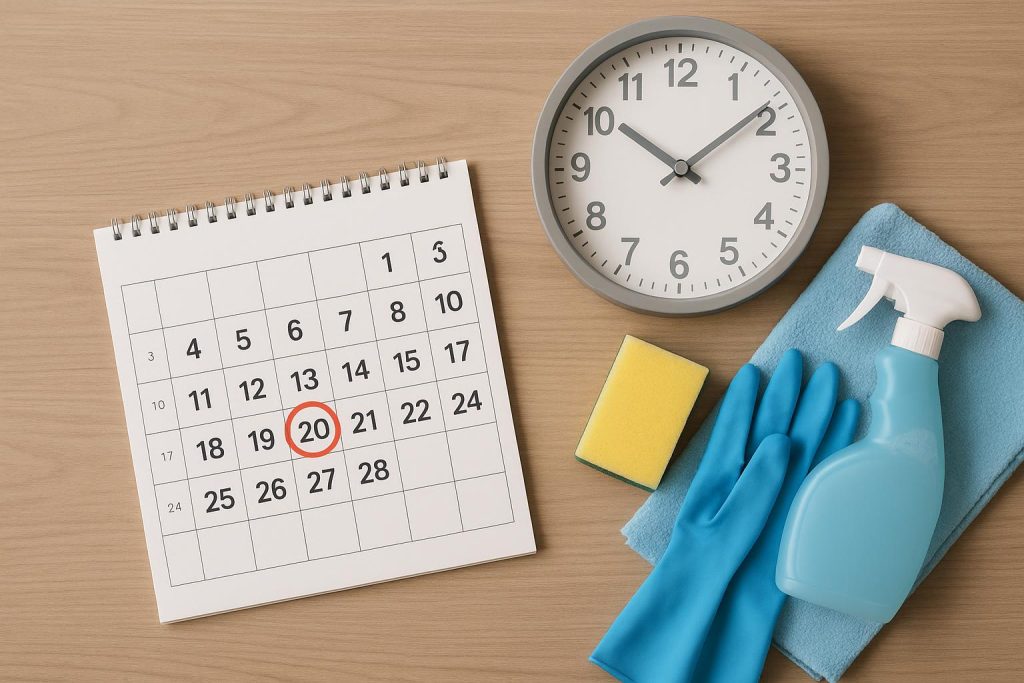
Essential Guide to Scheduling Your Deep Home Cleaning
A deep home cleaning goes beyond everyday tidying or surface-level dusting. It addresses hidden areas like baseboards, vents, and corners behind appliances. By giving proper attention to these spots, you create a fresher, healthier environment. But how often should you schedule these more intensive sessions? Many cleaning experts suggest every three to six months, yet the answer can differ based on your lifestyle, household size, health concerns, and overall preferences. In this guide, we will explore why deep cleaning matters, discuss factors that affect how frequently you should book it, and offer tips for keeping your home in peak condition between appointments. Whether you live on your own, share your space with a bustling family, or have special health requirements, an informed cleaning schedule will help you preserve a comfortable and welcoming home.
Why Is Deep Cleaning So Important?
Surface-level cleaning—vacuuming, quick dusting, wiping counters—helps maintain a level of daily neatness. However, over time, dirt can accumulate in less-visited areas. Think of the dust that settles behind the bookshelf or the grime around the baseboards in your kitchen. This buildup can harbor allergens, bacteria, and even unwanted odors. A thorough home cleaning session ensures you tackle those out-of-the-way zones, promoting healthier indoor air quality and reducing the risk of irritants, especially for family members with allergies or respiratory issues. By polishing and sanitizing neglected spots, you also prolong the life span of your flooring, furniture, and appliances. In short, a quality deep clean is part of a comprehensive approach to home care that boosts comfort, hygiene, and longevity.
Typical Recommended Frequency
While every three to six months is a widely accepted rule of thumb for deep cleaning, there is no one-size-fits-all schedule. You might find that a quarterly approach—every three months—strikes the perfect balance between keeping your home pristine and making sure dust and grime do not accumulate beyond control. Other households may be comfortable scheduling a thorough cleaning just twice a year. Factors like foot traffic, children, and pets all have an impact on how frequently you might need those full-scale scrubs. Importantly, your personal comfort level matters most. If you notice surfaces feeling dingy or detect lingering odors before that three-month mark, it may be wise to move up your next deep clean to alleviate those concerns and keep your space looking its best.
Key Factors That Influence Your Cleaning Schedule
Because every home is unique, determining the right deep cleaning frequency requires understanding specific variables that impact how quickly messes build up. Here are some major considerations.
- Household Size and Activity: If you have a large family, especially with small children, mess and clutter can accumulate more quickly. A busy household often warrants more frequent deep cleaning sessions to keep up with daily wear and tear.
- Pets: The presence of furry friends plays a big role in how often you need a deep clean. Pet dander and fur can end up in baseboards, furniture upholstery, and even vents, requiring regular and thorough vacuuming and sanitization.
- Allergies and Health Concerns: If anyone in your home suffers from asthma, seasonal allergies, or similar sensitivities, a more frequent deep clean—perhaps every two to three months—could be beneficial. This way, you remove triggers such as dust, pollen, and other allergens.
- Foot Traffic: High-traffic zones, like the entryway, kitchen, and living room, might see wear and tear faster. If you often entertain guests or family gatherings, you may schedule deeper cleans in tandem with special events or busy seasons.
- Weather and Environment: Humid environments can lead to excess moisture, encouraging mold or mildew growth. Extremely dry regions might have more dust. Adjust your cleaning routine accordingly to keep your home fresh.
These factors overlap, so think holistically when deciding your cleaning plan. For example, if your family includes pets, children, and you live in a dusty area, you will likely need to deep clean nearer to the three-month mark. On the other hand, a smaller household with fewer occupants and less foot traffic could comfortably stretch to six months.
Deep Cleaning vs. Standard Cleaning
Standard or routine cleaning typically involves surface wiping, vacuuming, mopping floors, making beds, and generally tidying up. This level of upkeep is essential for maintaining daily cleanliness and is crucial for preserving a welcoming atmosphere. Yet over time, there are some tasks that general cleaning will not tackle on its own. Deep cleaning dives into heavier tasks such as:
- Scrubbing grime from interior and exterior surfaces of appliances, like the oven, inside the fridge, or behind the stove.
- Cleaning and disinfecting baseboards, inside window tracks, and door frames.
- Vacuuming and shampooing carpets or steam-cleaning floors, if applicable.
- Treating grout lines, washing walls, and removing appliance buildup.
- Dusting ceiling fans, blinds, vents, and other hard-to-reach spots.
When these heavier tasks get attention, you experience a true sense of refreshment. Everything from the air you breathe to the surfaces you touch feels renewed. This level of cleanliness is also beneficial if you are renting and want to maintain your deposit or if you plan on selling your home in the near future.
Health Benefits of Regular Deep Cleaning
Beyond the visual appeal, deep cleaning can offer a wide range of wellness perks. By thoroughly removing dust and allergens from carpets, furniture, and vents, you support a healthier respiratory environment. Mold or mildew problems that develop in bathrooms or basements can be nipped in the bud with frequent, thorough maintenance. You may notice you sleep better at night or feel more energized in the morning simply because there are fewer irritants in your living space. Another benefit is reduced stress: it is often said that a cleaner, more organized home environment positively influences mood and mental well-being. Knowing that you are walking into a fresh, tidy home can give you peace of mind and more time to focus on the things you enjoy.
Maintaining Your Home Between Deep Cleans
While deep cleanings set the stage, your day-to-day routines help bridge the gap between appointments. Consider adopting these practices:
- Spot-Clean High-Traffic Areas: Focus on regular vacuuming or sweeping of entryways, hallways, and living rooms. This way, any dirt, pet hair, or debris gets removed before it is tracked through the rest of the home.
- Wipe Surfaces Right Away: If you see spills on the countertop or discover smudges on the cabinets, address them immediately. This keeps buildup from hardening and requiring more elbow grease later.
- Ventilation: Open your windows periodically to let in fresh air, weather permitting. Proper ventilation helps regulate humidity levels, preventing mold and mildew formation.
- Quick Bathroom Touch-Ups: Give your bathroom a quick spray of cleaner on the sink, faucet, and surfaces once or twice a week. This reduces soap scum accumulation and keeps the space smelling fresh.
For assistance with regular upkeep, you can look into residential cleaning services that address the day-to-day tasks—helpful if you have a busy schedule or need support keeping up with household chores. This consistent attention ensures that when the time for a deep clean rolls around, your home is already in good shape.
Holiday Preparations and Special Events
You might find yourself needing extra-intense cleaning sessions around the holidays or before hosting gatherings. In fact, if you are looking to ready your space for guests, consider reading more about how a deep home cleaning can help you prepare for holiday guests. Taking care of these cleaning tasks in advance welcomes visitors into a fresh, comfortable environment. You can also schedule a mini deep clean right after the event, so your home quickly returns to its usual calm and polished state.
Moving In or Out
If you plan to move in or out of a home, it is often recommended to do a thorough cleaning at these pivotal moments. A move-in cleans away any remnants of the previous occupants, giving you a fresh start. Meanwhile, a move-out cleaning can help show the space in the best light for landlords or prospective buyers. To learn more, check out whether a deep clean is recommended before moving out. If you decide to enlist a professional cleaning service for this, you might find it helpful to explore move-in and move-out cleaning services that ensure every nook and cranny is addressed, paving the way for a seamless transition.
Addressing Allergy Concerns
For households with allergy sufferers, you may lean toward more frequent deep cleans. Allergens can lurk in hidden corners, attach themselves to drapes, or settle into the fibers of your carpet. An effective routine includes using HEPA filters in vacuums, regularly washing bedding, and selecting cleaning products that are gentle on sensitive conditions. When planning your approach, consult resources about what cleaning products are safe for allergy sufferers. Eliminating harsh chemicals and focusing on natural or hypoallergenic cleaning agents can make a meaningful difference in overall air quality and comfort.
Time Commitment and Practical Scheduling
One of the frequent questions is, “How long will a deep clean take?” The truth depends on home size, the number of rooms, and how often these tasks are performed. To learn more, check out how long a typical deep home cleaning process takes. In general, lightly maintained homes can be deep cleaned faster than those that have not had a thorough session in a while. If you’re worried about disrupting a busy schedule, consider booking your deep securities on weekends or during quieter periods in your week. Another strategy is to break down the tasks over several days—tackle the kitchen and bathrooms first, then move on to living and sleeping areas. This approach can keep the process manageable and less overwhelming.
When to Consider Professional Help
Many homeowners prefer a DIY approach to deep cleaning. Yet, busy schedules, physical limitations, or a need for specialized knowledge can make hiring professional cleaning services a worthwhile option. Working with dedicated teams means taking advantage of their experience, specialized tools, and professional cleaning products. In addition, a local team can offer flexible scheduling that complements your life, whether it is monthly, quarterly, or twice a year. If you find yourself pressed for time or lacking the energy to handle everything solo, remember that you don’t have to do it all by yourself. Professional cleaning can feel like more of an investment, but it often saves time and worry in the long run—especially for larger jobs.
Don’t Forget the Decluttering Factor
Deep cleaning is most effective when you have minimized clutter. Random piles of mail, boxes of out-of-season clothing, or scattered toys can hide or create dust traps, get in the way of scrubbing, and slow you down. By systematically sorting your belongings—even a little each week—you free up surfaces and floors for scrubbing, mopping, or vacuuming. Consider organizing services for a more structured solution. A good declutter plus an in-depth clean is a recipe for a truly transformative environment.
Involving the Entire Household
Deep cleaning does not have to be a solitary endeavor. If you live with family members or roommates, dividing tasks according to everyone’s strengths can make the entire process faster and more enjoyable. Younger children can help with simple jobs like gathering loose items, while older children or adults can tackle heavier tasks such as scrubbing floors or washing walls. Working as a team makes the load lighter and fosters a sense of collective responsibility in maintaining a pleasant living space.
Staying Flexible and Observant
Rather than suggesting one rigid formula, professionals urge awareness and adaptability. Notice dust levels, watch for signs of buildup, and keep track of any persistent odors. If you notice that certain areas in your home need extra attention or the house as a whole seems to get dirtier faster than usual, you can shorten the interval between deep cleans. In some households, that might mean doing it every two months, while for others, every six months remains sufficient. Your ultimate goal is to maximize comfort and hygiene, so trust your instincts when you sense it’s time for a more thorough scrub.
Conclusion: Crafting Your Ideal Cleaning Schedule
Establishing the proper frequency for deep home cleaning is both an art and a science. By considering household size, pet ownership, health conditions, and general lifestyle, you can determine a schedule that leaves your home sparkling without overburdening you. Standard cleaning tasks will keep surfaces tidy from day to day, but those top-to-bottom deep cleans are essential to remove hidden dust, allergens, and grime that daily maintenance can miss. Whether you take a do-it-yourself approach or enlist a trusted, locally owned cleaning service, the key is consistency. Over time, you’ll see that right balance of cleanliness and comfort, ensuring a fresh atmosphere that you, your family, and any visitors can fully enjoy. Deep cleaning might be an investment of your time or resources, but the returns in health, peace of mind, and a welcoming environment make it well worth the effort.
Feel free to dial up the frequency if your lifestyle demands it or dial it back if you find three times a year is enough. If you are in an especially high-traffic home, aim for that quarterly schedule. If you have a calmer space or are comfortable keeping things a little more low-key, semi-annually could work. Whatever you choose, remember that the ultimate objective is living in a healthy, soothing space that supports your daily well-being. Through mindful attention and the occasional helping hand, your home will remain a reflection of your own cherished comfort and care.
