
Effective Strategies for Deep Cleaning a Very Dirty House
We’ve all experienced moments when our homes reach a point where we’re almost afraid to tuck into the mess. Whether you’ve been extra busy, feeling overwhelmed, or dealing with unexpected life events, a dirty house can creep up on you fast. The good news is that it’s never too late to reclaim your space. By following the right steps and breaking the process into manageable segments, you can transform even the most uninviting rooms into a comfortable and hygienic environment. In this post, we’ll explore a detailed, step-by-step approach to cleaning a profoundly messy house—from the mental preparation to the final finishing touches that make your home feel truly fresh and welcoming.
1. Prepare Mentally and Logistically
Tackling a very dirty house often starts with getting your mindset right. It can feel overwhelming just thinking about the tasks ahead, so a bit of planning can reduce stress and help you see real progress. Here are a few ways to organize your thoughts and set a coping strategy:
- Set realistic goals: Break your large project into smaller, more manageable tasks. For example, plan to clean one or two rooms a day rather than trying to do everything at once.
- Gather motivation: Listen to upbeat music, a podcast, or an audiobook to keep yourself entertained while you clean. It can help the time go by more quickly.
- Make a timeline: Sketch out a basic schedule. Make allowances for breaks, potential interruptions, and areas that need extra scrubbing.
When you’re mentally prepared and have a roadmap, it’s easier to dive in without getting stuck on the feeling that the work is endless.
2. Declutter and Sort Your Belongings
A true deep clean always starts with decluttering. The more items scattered around, the harder it is to clean every surface thoroughly. If your living areas resemble a maze of boxes, papers, clothes, and random belongings, tackle those first. You’ll want to:
- Group like items together: This method makes it simpler to see what you own and helps you decide what to keep, donate, or discard.
- Use designated bins or bags: Label them “trash,” “donate,” and “keep.” As you go through your items, drop them into the correct bin. This keeps the process organized and gives you a clear idea of what stays and what goes.
- Allocate a staging area: Pick a corner of a room or a separate room entirely to temporarily hold sorted items as you go. This ensures your main cleaning areas stay clear.
If you find you’re overwhelmed and don’t know where to start, consider breaking down clutter by categories—like clothing, kitchenware, or paper documents. In more extreme cases, professional organizing services can ease the stress by helping you sort what’s truly needed and discarding what’s not. Once decluttering is complete, you’ll be amazed at how much clearer and more approachable your home will feel.
3. Gather Your Cleaning Supplies
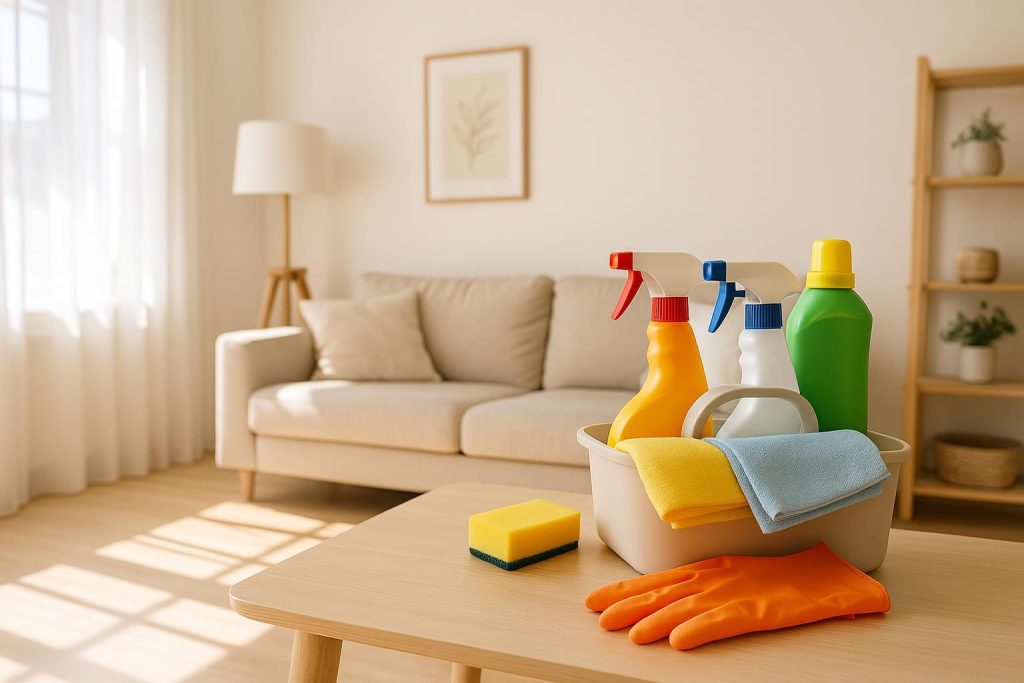
With clutter out of the way, the next step is to make sure you have the right cleaning essentials. Few things are more frustrating than starting to wash the floors only to realize you’re short on disinfectant or running low on sponges. Below is a basic checklist of supplies you might need for a major cleanup:
- All-purpose cleaner for countertops, appliances, and everyday surfaces
- Glass cleaner for mirrors and windows
- Disinfecting wipes or spray for kitchen and bathroom surfaces
- Mop and bucket, plus a quality floor-cleaning solution
- Vacuum cleaner with attachments to get into corners and upholstery
- Microfiber cloths and sponges for dusting, wiping down surfaces, and gentle scrubbing
- Scrub brushes for grout, mildew spots, or stuck-on dirt
- Rubber gloves to protect your skin from harsh cleaners and germs
- Trash bags for rapidly disposing of waste
Try your best to keep your cleaning station organized, so you don’t spend extra time hunting for the right tool every few minutes. The smoother the process, the more likely you are to remain motivated and get through the entire house.
4. Work from Top to Bottom
One fundamental rule of cleaning is to start from the highest surfaces and work your way down. This method prevents dust, dirt, and debris from mixing into areas you’ve already cleaned:
- Begin with ceilings and fans: Use a long duster to knock down spider webs and dust from fans, ceiling corners, and vents.
- Move to cabinets and shelves: Wipe them down thoroughly. Remove items if necessary to clean behind and beneath them.
- Clean walls and windowsills: Spots near light switches, corners, and windows can gather dust and grime quickly.
- Finish with floors: Once everything above is tidy, you can sweep, vacuum, or mop without worrying about dust falling back onto freshly cleaned surfaces.
Try to maintain a left-to-right, top-to-bottom system in each room. This systematic approach reduces backtracking and ensures you address every inch of space.
5. Deep Clean the Kitchen
The kitchen often becomes the heart of every home, but it also tends to accumulate refuse, spills, and grime. A deep kitchen cleaning can feel like a big job, but focusing on specific tasks simplifies everything:
- Appliances first: Wipe down the exterior of the fridge, oven, and microwave. Then, if time and resources allow, clean their interiors. Remove old food from the refrigerator, and clean your oven racks and stovetop with the correct cleaners.
- Surfaces and countertops: Scrub sticky spots, sanitize high-touch areas, and make sure to move countertop appliances (like a toaster or coffee maker) to clean underneath them.
- Sinks and faucets: These can harbor bacteria and food scraps. Use a disinfectant cleaner and a gentle scrub brush around the sink drain.
- Floor cleaning: Sweep, vacuum, or mop the floor last. Make sure any dropped crumbs or spills are dealt with properly.
Once you finish, you’ll be shocked by how much brighter and more inviting the kitchen feels. Over time, adopting a regular cleaning schedule, such as weekly wipe-downs and monthly deep cleans, prevents the space from reverting to a disastrous state.
6. Refresh Bathrooms Thoroughly
Bathrooms can become one of the grimiest areas, especially when left uncleaned for a while. High moisture levels can lead to mildew, and constant traffic can quickly turn mirrors and counters into a mess. To deep clean a bathroom:
- Toilet bowl and tank: Sanitize inside and out. Don’t forget to wipe down the seat hinges and the base of the toilet.
- Shower and tub: Use a scrub brush or sponge to remove soap scum. Mildew or mold along caulking and tile edges may require specialized bathroom cleaners and a bit of extra scrubbing.
- Sink and mirrors: Remove grime from faucets, handles, and basin edges. Clear your mirror of toothpaste splatters and water spots with a gentle glass cleaner.
- Floors and baseboards: Sweep or mop, using a disinfectant solution that kills lingering germs.
Be sure to ventilate the area if you’re using strong cleaning formulas. Whenever possible, open a window or flip on an exhaust fan to allow fresh air to circulate.
7. Tackle Floors and Carpets
Flooring is a magnet for dirt, dust, and stains, so it’s important to handle it properly. Depending on your flooring type—hardwood, tile, laminate, or carpet—the best approach differs:
- Hardwood: Sweep or vacuum with a floor brush setting, and then mop with a wood-safe cleaning solution. Avoid soaking the wood to prevent warping.
- Tile or laminate: Sweep or vacuum first, then use a specialized cleaner. Try a microfiber mop for best results, as it traps dirt without leaving streaks.
- Carpets: Vacuum twice, once in each direction, to pull dust from all angles. Deep clean with a carpet cleaner if needed, especially for high-traffic areas or old stains.
Clean baseboards and corners along with the flooring itself. They can build up a surprising amount of dust and debris over time. A simple wipe-down with a damp cloth or disinfecting wipe often does the trick for baseboards, making the entire room look brighter.
8. Don’t Forget Doors, Windows, and Other Details
When things get especially grimy, small details often go overlooked. But a complete deep cleaning should include the little areas throughout the house:
- Door handles and light switches: High-touch points accumulate germs and oils from our hands. Disinfect them and wipe them down thoroughly.
- Windows and sills: Wash inside windows with glass cleaner. If the area has moist spots or black mold around the sills, clean it right away to deter spores.
- Air vents: Dust can collect in vents and ducts. A vacuum with a brush extension can help remove debris to keep air quality better.
- Behind and under furniture: Even if you don’t move furniture often, do so when you’re doing a major clean. It’s astonishing what might be lurking there.
It’s these finishing touches that elevate your cleaning efforts from “looks okay” to “feels amazing.” Once you’ve addressed these details, each room will have that extra sparkle.
Signs Your Home Is Overdue for a Deep Clean
It can be easy to overlook the signals that your home needs a thorough refreshing, especially if you see the same mess every day. Here are five telling signs that it’s time for a serious cleaning session:
- Black mold forming on windowsills: This indicates excess moisture and possible bacteria growth—both of which can harm indoor air quality.
- Dust bunnies in every corner: Large accumulations of dust can trigger allergies and reduce overall cleanliness.
- Sticky countertops and floors: Spilled food or liquids can easily become breeding grounds for bacteria if neglected.
- Unpleasant odors: Bad smells from sinks, toilets, or trash cans point to organic waste buildup or bacteria growth.
- Excessive clutter: When every surface is crowded, it’s a sure sign of an overdue purge and deep clean.
When Professional Help Makes Sense
Sometimes, your house needs more than a solo effort. Maybe your schedule is already overloaded, or you have injuries or limited mobility that make deep cleaning challenging. In those situations, hiring professional cleaners can be an excellent option. Trained and detail-oriented teams are skilled in tackling even the most daunting challenges, from cleaning notoriously difficult bath tiles to disinfecting every corner of the kitchen. A service like Fussy Cleaning can lift the burden off your shoulders, letting you focus on more important areas in your life. If you’re in Edmonton and surrounding areas, consider getting professional help for services such as Residential Cleaning or full move-in and move-out cleaning. A cleaning team can also handle specialized jobs like upholstery or carpet cleaning.
Beyond basic cleaning, many people also find joy and relief in enlisting professional organizing solutions. Whether you’re preparing for the arrival of a new baby, getting ready to host out-of-town guests, or simply fed up with the state of your home, the convenience of having an experienced local crew can expedite the process and ensure it’s done right. This can be especially helpful if your home is overdue for a deep clean due to hectic schedules or big life events.
Maintenance Matters to Keep Grime Away
Once you’ve achieved a clean baseline, the key is to keep up a regular cleaning routine so you never face a gruesome mess again. Here are a few tips for maintaining a cleaner space in the long run:
- Spot clean daily: Wipe down kitchen counters every night, do a quick tidy of the living areas, and empty your trash cans before they overflow.
- Establish a weekly schedule: Rather than waiting until it’s overwhelming, assign tasks like mopping and dusting to specific days of the week. Spread the workload so it remains manageable.
- Laundry routine: Clothes strewn across the floor or furniture can make a room look far messier than it is. Set a regular laundry day or two so garments stay under control.
- Seasonal deep clean: At least four times a year, do a thorough cleanup. This includes flipping mattresses, washing curtains, and rearranging storage so you can clean hidden places.
Taking these small, consistent steps helps keep your house feeling fresh and saves you from another intense deep-cleaning marathon down the road.
The Takeaway
Cleaning a nasty or overwhelmingly cluttered house is undeniably daunting. Yet, with the right plan—starting with decluttering and sorting, then moving systematically from top to bottom—you can turn chaos into a comfortable, pleasant environment. Regular maintenance and a realistic schedule keep grime and disarray at bay. And if you’re short on time, energy, or simply want a helping hand from a professional, services like Fussy Cleaning are often a game-changer. Together, you can transform your space into a home that’s not only dirt-free but also welcoming and uniquely yours. After all, you deserve a living environment that rejuvenates you and gives you peace of mind.
If you’re dealing with a mess that seems too large to handle, remember you’re not alone. Whether it’s organizational assistance, recurring household cleanings, or a comprehensive deep-clean service, help is out there whenever you need it. Your home is more than just a roof over your head—it’s a reflection of your well-being and comfort. By giving it the care and attention it needs, you’ll enjoy a healthier, more inviting space for you and everyone who steps through the door.
