
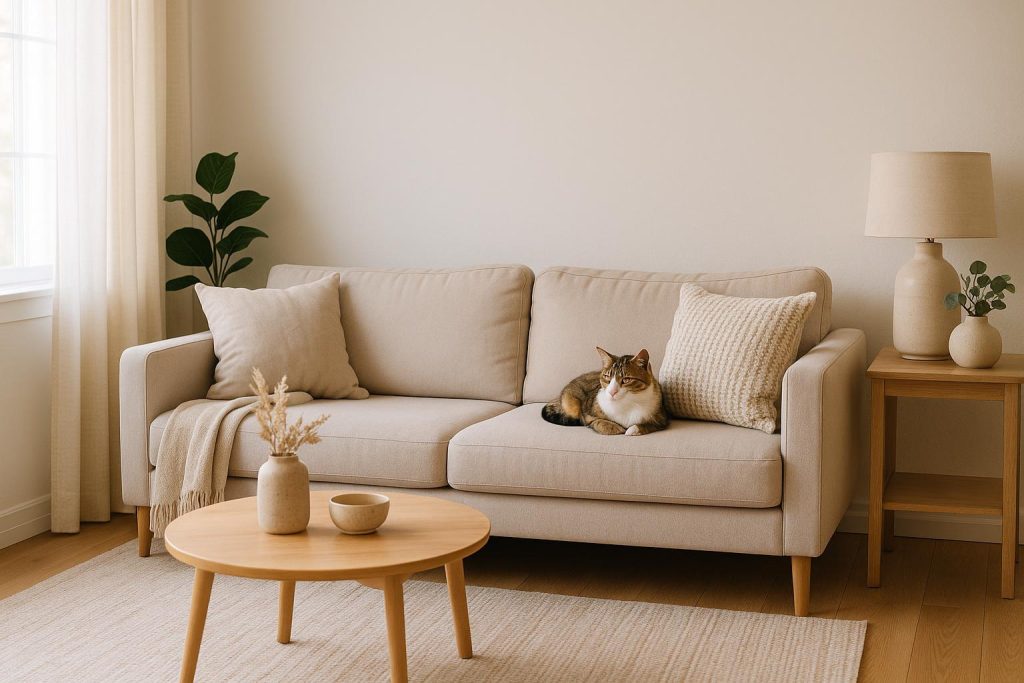
Creating a Cleaner Space by Reducing Pet Dander
Owning a pet can bring endless joy to a household, yet there is no denying that furry companions also introduce pet dander into our living spaces. Pet dander consists of microscopic flakes of skin and can trigger allergies, cause respiratory issues, and lead to a buildup of dust and debris throughout the home. Fortunately, there are effective ways to reduce pet dander without sacrificing the bond you share with your cat, dog, or other furry companion. In this guide, we will explore a range of strategies that address prevention, cleaning techniques, and maintenance routines that can help you create a healthier living environment for everyone—including your pets.
1. Understanding Pet Dander
Pet dander refers to tiny flecks of skin that animals shed regularly. Pets such as cats, dogs, and rabbits produce dander as part of a natural process where old skin cells die off and fall away. Unlike pet hair, dander is not always visible to the naked eye, which is why it can easily stay suspended in the air or settle on surfaces around your home. You might notice more dander if your pet has dry skin or certain health conditions, but even healthy pets naturally release it into their environment.
One reason dander is such a challenge is that it carries proteins found in saliva, sweat, and urine, which can provoke allergic reactions in many people. Symptoms can range from mild sniffles and sneezes to more severe respiratory problems if not addressed properly. Understanding what dander is and how it circulates in your home is the first step to managing or reducing it.
2. Establishing a Grooming Routine
A disciplined grooming routine is an excellent way to directly reduce your pet’s overall dander. When your pet’s coat is brushed correctly, you remove loose fur, dead skin cells, and other allergens before they can settle into carpets or furniture. To streamline this, try breaking grooming into stages:
- Brushing: Choose a brush or comb that suits your pet’s coat type. Long-haired pets will need brushes with longer bristles or wide-toothed combs, while short-haired pets often do well with soft bristle brushes or grooming mitts. Brush them at least once or twice a week, paying special attention to areas your pet can’t reach easily.
- Bathing: Regular baths not only reduce dirt and odors but also help wash away dander. Use a pet-friendly shampoo designed to condition skin and fur. Overly frequent bathing might dry out your pet’s skin, so consult your veterinarian for the recommended bathing schedule.
- Skin & Coat Health: If your pet shows signs of irritated skin, consider pet shampoos or gentle medicated products that keep skin moisturized. A healthy coat minimizes excessive shedding and dander production.
Consistent grooming routines can make a remarkable difference in how much dander your pet releases into the environment. This also fosters bonding time with your animal, reassuring them that grooming is a safe (and sometimes enjoyable) experience.
3. Effective Cleaning Techniques for Floors & Surfaces
Regular cleaning of your floors, furniture, and high-traffic areas is key to dander control. Because pet dander is extremely lightweight, it can settle in hidden places or stick to surfaces throughout the home. Below are techniques you can adapt to your daily or weekly cleaning routine:
- Vaccum with HEPA Filters: A vacuum cleaner equipped with a High-Efficiency Particulate Air (HEPA) filter is one of the most effective ways to trap and contain microscopic allergens. Run a HEPA-filtered vacuum over carpets, rugs, upholstery, and even mattresses. Vacuuming at least once or twice per week prevents dander from accumulating, particularly in homes with multiple pets.
- Hard Flooring Care: If you have hardwood floors, tile, or laminate, sweeping may cause dander to become airborne again. Instead, use a microfiber dust mop or a vacuum that can handle hard surfaces without scattering the dust. Follow up by mopping with a gentle cleaner to remove lingering particles.
- Dusting & Wiping: Invest in microfiber cloths for dusting. They attract and catch allergens rather than just pushing them around. Remember to keep surfaces such as windowsills, shelves, tables, and entertainment stands dust-free. Opt for a lightly dampened cloth so you can pick up dander and dust instead of allowing it to swirl into the air.
- Launder Frequently: Many pet parents forget the hidden textiles in their homes—throw blankets, cushions, and curtains. These items can attract significant amounts of dander over time. Launder anything washable in hot water periodically to keep your living space fresh. If washing in hot water is not an option, choose a gentle cycle with a suitable laundry detergent and dry thoroughly to reduce moisture.
These core cleaning techniques can be adapted to match your household’s needs. If you are short on time or find cleaning every nook and cranny a bit overwhelming, think about reaching out to a residential cleaning service that specializes in detail-oriented care. Professional cleaners can help you maintain a dander-free home so you can spend more time with your pets.
4. Bedding & Furniture Maintenance
Because pets often curl up on beds, couches, and favorite chairs, it is no surprise that these surfaces accumulate hair and dander. Upholstered furniture poses a special challenge because the fabric can trap microscopic allergens within its fibers. Also, pet beds and blankets serve as prime hot spots for dander buildup. Below are a few ways to keep seating areas and bedding dander-free:
- Wash Pet Bedding Regularly: Choose pet beds with removable covers that can be washed thoroughly. This helps eliminate bouts of dander, dust mites, and odors. Depending on your pet’s activities and shedding level, aim for washing bedding at least once every two weeks.
- Use Washable Covers on Furniture: If your pet loves to lounge on the sofa, removable and washable slipcovers protect your furniture. You can launder them as needed, reducing trapped fur and dander. It also makes routine cleaning far simpler.
- Spot Treat Stains & Fur: If hair and dander concentrate in a specific spot, use a lint roller or a slightly damp cloth to collect the debris before it spreads. Vacuum the cushions and crevices regularly to keep your furniture fresh.
- Rotate Cushions & Mats: By rotating cushions and rugs, you ensure that no single area becomes a permanent catch-all for hair and dander.
Beyond comfort and hygiene, giving attention to these soft surfaces can improve the air quality in your home, making daily life more pleasant for everyone.
5. Improving Air Quality & Filtration
Because of its size and weight, pet dander often lingers in the air instead of settling into one place. This is where proper ventilation and air-filtration strategies are vital. By enhancing the air circulation in your living space, you can greatly reduce the amount of airborne allergens. Here are tips to keep in mind:
- Use Air Purifiers with HEPA Filters: Both portable and whole-home air purifiers with HEPA filters trap pet dander and other allergens. Position these purifiers in areas where your pets spend the most time, such as living rooms or bedrooms.
- Ventilate Regularly: Opening windows (weather permitting) lets fresh air in and helps push stale, allergen-filled air out. Good ventilation diminishes the concentration of dander and other irritants.
- Change HVAC Filters: If you rely on central heating and cooling systems, remember to change your HVAC filters regularly. Filters can quickly become clogged with fur, dust, and dander, so ensure you use high-grade filters designed for allergen control.
- Consider Dehumidifiers: If humidity is high, it can encourage mold and mildew growth, worsening respiratory issues in addition to pet allergies. A dehumidifier not only helps control moisture but also cuts down on the conditions that dander can cling to.
Tackling dander floats in the air is an ongoing effort, but when done consistently, it can help you breathe easier and reduce visible dust buildup.
6. Creating Pet-Free Zones
Designating certain areas of your home as pet-free can significantly reduce overall exposure to dander, especially if you have family members or frequent visitors with allergies. Bedrooms are often the best option for a pet-free zone because individuals can have a space to sleep without exposure to allergens. Consider these recommendations:
- Room Selection: Decide on one or two areas where pets will not be permitted. Some households choose bedrooms for better sleep; others may opt for a home office or personal workspace.
- Physical Barriers: Use baby gates or close doors to discourage pets from entering restricted zones.
- Furniture & Décor in Pet-Free Zones: Keep these areas minimalistic if possible, using fewer rugs and textile decorations to further reduce dust and dander. Wipe surfaces regularly and vacuum carpets or floors to maintain an allergen-free environment.
This practice not only reduces allergen distribution but also gives you a guaranteed space where you can retreat if your allergies flare up.
7. Helpful Tools & Supplies
Some household tools and supplies can simplify your mission to keep the home dander-free. By investing in the right products, you minimize the time and effort needed for thorough cleaning:
- Microfiber Cloths: Their static charge helps attract and hold onto dander, rather than spreading it around.
- Lint Rollers: Perfect for spot cleaning cushions, clothes, and other fabric surfaces where pet hair and dander cling.
- Vacuum Attachments: Many vacuum cleaners come with specialized attachments, such as crevice tools or pet grooming brushes, to reach tricky corners, stairs, and pet beds.
- Air Purifiers: Both portable and whole-home versions can make a big difference in capturing and locking away dander, dust, and even odors.
Having a cleaning station or storage area where you keep these tools handy can encourage more frequent quick cleanups, making the overall process more efficient.
8. When to Ask for Help
Sometimes life gets busy, or the dander problem has grown to a point where standard cleaning routines are not enough. If you find yourself struggling to contain pet dander or simply cannot keep up with necessary cleaning tasks, reaching out for professional assistance can be beneficial. For instance, a professional cleaning team may tackle deeper jobs such as steam cleaning, vacuuming hidden crevices, or even specialty tasks to thoroughly refresh your living space.
Additionally, if clutter makes it hard to clean or you suspect certain parts of the home have become neglected, consider organizing services. By reducing clutter and rearranging your home for optimal cleanliness, you reduce the areas where dander can build up unnoticed. If you are moving to a new home with your pet, or you are renting and concerned about leaving dander behind, move-in and move-out cleaning services can make a world of difference. Not only do these specialized services cater to removing allergens, but they also ensure you leave your old (or new) space smelling fresh.
9. Maintaining a Regular Schedule
Whether you opt to do most of the cleaning yourself or enlist professional help, consistency is your greatest ally. Set aside specific times each week or month to address common problem areas. Once you form a routine, each task—grooming the pet, vacuuming floors, or washing bedding—fits into place, and you can maintain a space that is comfortable and welcoming. Here are some additional ways to maintain a weekly or monthly schedule:
- Daily Quick-Run: Spend five to ten minutes daily tackling major hotspots. This might mean quickly sweeping the entryway where pet hair collects or wiping down surfaces where your pet naps.
- Weekly Focus: Each week, dedicate time to vacuuming carpets, grooming your pet, and dusting surfaces. This is also a good time to add or refresh air purifiers with new filters if needed.
- Monthly Deep Clean: Once a month, do a more extensive clean. Wash all pet bedding, rotate or clean cushions, thoroughly vacuum baseboards, and consider rearranging furniture if you notice excessive dander build-up in hidden corners.
By following a set routine, tasks become second nature, and the sense of overwhelm diminishes. The ultimate goal is to create a home environment where you and your pets happily coexist without constant worry over allergens.
10. Conclusion: Breathing Easy with Pets
Pets enrich our lives with their companionship, loyalty, and unconditional love. Yet, the reality of living with pets means dealing with pet dander and all the health considerations that come with it. Achieving a dander-free or dander-minimized home does not have to be an impossible task; it simply requires a plan that integrates proactive grooming, mindful cleaning, and sensible environmental controls.
Start today by evaluating your home and the spots where your pets spend most of their time. Incorporate frequent brushing, use efficient cleaning techniques, and invest in tools like HEPA air purifiers. If you ever need support, remember that local professionals can ease the load, whether you require residential cleaning services, organizing help, or deeper, specialized solutions.
By following these strategies consistently, you can enjoy a cleaner, healthier home where you and your pets can breathe easy and thrive together—free from excessive dander and the stress it can bring. With a little diligence and the right approach, you will see how simple it can be to balance a happy life with your furry friends, all while keeping your home environment fresh, inviting, and allergen-conscious.
