
Effective Strategies for Cleaning Furniture and Minimizing Allergens
Keeping your home as allergy-free as possible can make a big difference in your day-to-day comfort. Furniture, whether it’s upholstered or made of smooth materials like wood and metal, tends to trap dust and other allergenic particles. By following a consistent cleaning routine and paying close attention to the materials and cleaning methods, you can maintain a healthier, fresher living space. Below, we’ll discuss practical ways to remove allergens from your furniture, including how to use specialized tools and products, tips to reduce common triggers like pet dander and dust mites, and additional steps you can take for long-term relief.
1. Understanding Why Furniture Harbors Allergens
Before diving into proper cleaning techniques, it’s important to understand how allergens end up on furniture in the first place. Dust, dander, pollen, and even mold spores are airborne particles that land on surfaces throughout your home. Furniture—especially upholstered sofas and chairs—provides a soft, fibrous environment where these particles can become embedded. Additionally, when people sit down or move around, the activity can stir up the particles, causing them to float back into the air and trigger allergies.
Another major source of allergens is pet dander—tiny skin flakes that cats, dogs, and other animals naturally shed. If you live with pets, chances are your upholstered furniture accumulates these flakes easily. When combined with trapped dust and pollen, this creates a hotspot of potential allergens. Knowing where the problem originates makes it easier to address it effectively.
2. Regular Vacuuming with a HEPA Filter
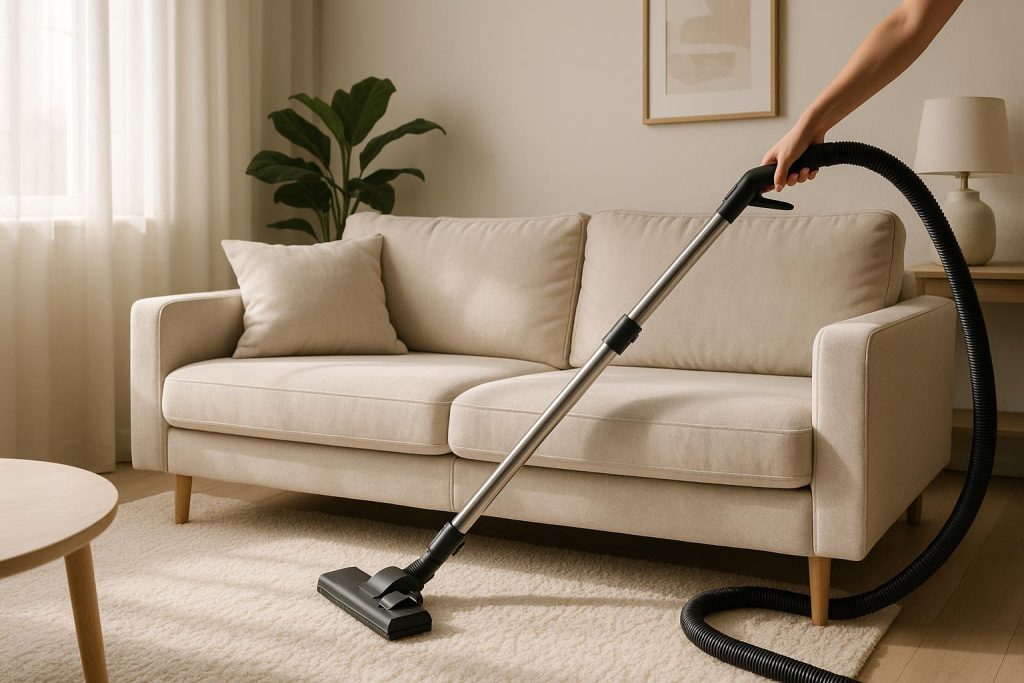
A vacuum cleaner equipped with a HEPA (High-Efficiency Particulate Air) filter is one of the most effective tools for reducing allergens on upholstered furniture. HEPA filters capture tiny particles that ordinary vacuum filters often miss. This means less dust, dander, and other debris end up being released back into your home’s air. Here’s how to get the most out of your vacuuming routine:
- Use Upholstery Attachments: Most vacuum cleaners have specialized upholstery attachments that can easily reach into the crevices of cushions and seams.
- Vacuum Weekly: Plan to vacuum at least once a week—more frequently if you have pets or a high volume of foot traffic in your home.
- Take Cushion Covers Off (If Possible): If your cushion covers are removable, you can vacuum both the inside of the cushion and the underside of the fabric itself to remove hidden dust bunnies.
- Vacuum in Multiple Directions: Running the upholstery attachment over the fabric in different directions helps loosen more particles and provides a deeper clean.
The key takeaway is consistency. Sticking to a vacuuming schedule can prevent allergens from accumulating over time.
3. Using a Damp Cloth on Non-Upholstered Surfaces
Wood, metal, and plastic furniture is easier to clean because particles don’t become embedded as deeply as they do in fabric. Still, dust can settle into corners, grooves, and decorative detailing. The challenge with hard surfaces is ensuring the dust is not simply dispersed into the air but is instead captured for removal.
Rather than using a feather duster or a dry cloth, try using a slightly damp microfiber cloth. The moisture in the cloth traps dust and dander, making it less likely to float around. Here’s a simple process:
- Fill a small bucket with warm water and add a few drops of mild dish soap if needed.
- Dip a soft microfiber cloth into the water, then wring out thoroughly so it’s only slightly damp.
- Wipe down every surface, focusing on areas where dust is more likely to collect, such as corners, ridges, and joints.
- Rinse or swap out your cloth if it becomes visibly soiled—this prevents you from spreading dust back onto clean areas.
If you see water spots on certain surfaces, quickly dry them with a second cloth. For more delicate woods, you may want to use a specialized furniture polish recommended by the manufacturer. Always test a small, hidden section first, just to ensure you don’t damage the finish.
4. Specialized Covers and Washable Slipcovers
One of the easiest ways to reduce allergens in your home is by limiting their ability to accumulate in the first place. Washable slipcovers can serve as a protective barrier. Instead of allergens embedding into the actual upholstery, they remain on top of the cover, which you can easily remove and launder. Here are some best practices for using slipcovers:
- Choose Hypoallergenic Materials: Slipcovers made with tight-weave cotton or microfiber fabrics help deter dust mites and can be washed in hot water, killing most allergens.
- Wash Slipcovers Frequently: Aim to wash them at least every two weeks, or weekly if someone in your household has severe allergies or you have multiple pets.
- Color-Fast Care: Check tags or packaging for guidelines on washing temperatures. Some slipcovers may shrink or experience color bleed if laundered improperly.
While slipcovers may not be everyone’s style choice, they do provide a convenient solution if you or a loved one suffers from allergies. Keeping a second set on hand is also helpful for quick changeovers. This is especially handy if you have unexpected guests or need a rapid freshening of your space.
5. Tackling Pet Dander and Odors
For many families, pets are a beloved part of daily life, but their natural shedding can exacerbate allergies. Regular grooming of your pets—brushing them outdoors and bathing them periodically—can help tremendously. However, pet dander always finds its way onto furniture. Here are some additional tips:
- Use a Pet Hair Removal Brush: Specialized rubber or silicone brushes grab hold of hair, making it easier to lift off sofas and chairs.
- Try Pet-Friendly Sprays: Some sprays help neutralize dander, but always ensure they are non-toxic and safe for fabrics.
- Invest in Air Purifiers: While not strictly part of furniture cleaning, a quality air purifier with a HEPA filter can reduce airborne pet dander before it settles on your loveseat or recliner.
By focusing on both sides of the problem—cleaning your furniture and grooming your pet—you’ll find a better balance for an allergy-reduced environment.
6. Controlling Dust Mites
Dust mites are a common trigger for allergies, and they thrive in fabrics and soft surfaces. Although they are invisible to the naked eye, their presence is anything but unnoticed if you suffer from dust mite sensitivities. While slipcovers and vacuuming are great strategies to curb dust mites, you can also take the following measures:
- Choose Low-Humidity Conditions: Dust mites love humidity, so consider running a dehumidifier if your home feels damp. Aim for indoor humidity levels around 40-50%.
- Wash Bedding and Blankets: Keep the entire living space as mite-free as possible. Wash and dry any throw blankets or decorative pillows you use on furniture. Hot water is best for killing mites.
- Steam Cleaning: If you have access to a garment steamer or a steam-cleaning vacuum attachment, the high heat can help destroy dust mites embedded in upholstery.
- Allergen-Proof Covers: You can find specialized allergen-proof covers not only for mattresses and pillows, but also for large pieces of furniture. While a bit more expensive, they enhance the barrier between you and the mites.
Reducing dust mites is often a game of consistency. Keeping humidity down, washing fabrics in hot water, and using a HEPA-filter vacuum regularly can all add up to better allergy relief.
7. Spot Cleaning and Stain Removal
In addition to general dust and dander, you may occasionally face spills or stubborn stains. While your primary focus is on allergens, it’s still important to handle stains properly so that you don’t inadvertently create an environment inviting to mold or mildew—another source of allergens. Here is a quick approach:
- Act Quickly: The longer a spill sits, the deeper it penetrates into fibers and the more it can harbor mold.
- Blot, Don’t Rub: Rubbing can push the stain deeper. Blotging gently lifts the liquid without spreading it around.
- Mild Cleaners: Start with mild soap and water. You can gradually move to specialized cleaners, but avoid harsh chemicals that could irritate sensitive skin or worsen indoor air quality.
- Ventilate and Dry: Make sure the area is thoroughly dry afterward to prevent musty odors and discourage mold growth.
As always, test an inconspicuous spot first, especially if you’re using a new cleaning product. Stability and colorfastness can vary, so being cautious can prevent permanent damage to your furniture.
8. The Benefits of Professional Deep Cleaning
While there is plenty you can do on your own, sometimes it’s helpful to bring in a trusted, professional cleaning team for a deeper scrub. Professional cleaners often use specialized equipment that penetrates deeper into upholstery fabrics, removing embedded dust, dander, and other debris. Aside from standard vacuuming and wiping, an experienced cleaning service may steam-clean or shampoo your upholstered pieces, leaving them looking refreshed and smelling great. Some companies also offer de-cluttering or organizing services that reduce overall mess, making it harder for dust to accumulate on hidden, hard-to-reach surfaces. If you have been feeling overwhelmed, professional help may free up your time and energy while improving your home’s air quality.
For instance, if you live in Edmonton or the surrounding area and want to ensure a comprehensive approach to furniture and overall home cleanliness, you might consider exploring Residential Cleaning options. By partnering with a local and dedicated cleaning service, you can gain peace of mind knowing that your furniture is handled with care, potentially reducing allergens in a lasting way.
9. Additional Tips for an Allergen-Reduced Home
Beyond the furniture itself, there are other steps you can take to minimize allergens:
- Keep Indoor Air Moving: Proper ventilation can help disperse airborne allergens. Open windows when weather permits and use exhaust fans in kitchens and bathrooms.
- Clean Floors Often: Dust and pet dander on floors can get kicked up onto furniture. Regular sweeping, mopping, or vacuuming helps reduce this.
- Wash Curtains and Drapes: These fabric items collect plenty of dust and pollen, just like upholstery does. Taking them down and laundering them periodically is a good practice.
- Use Door Mats: Place doormats outside and inside entrances to catch dirt, pollen, and other outdoor allergens before they spread to your furniture.
- Mind the Clutter: The more clutter you have, the more places dust and dander can settle. Consider storing items in closed cabinets or boxes. For help in getting your items organized, you could look into professional Organizing services that specialize in creating efficient, clutter-free living spaces.
10. Building a Routine and Sticking to It
Consistency is the secret weapon in keeping allergens at bay. It’s not about one major cleaning session every few months; rather, it’s the accumulation of small, routine actions that keep dust mites, dander, and pollen under control. Develop a clear schedule that outlines when to vacuum, wash slipcovers, dust surfaces, and address any new stains. Assign tasks to family members if you share the living space. A team approach helps maintain a healthier home for everyone involved.
Don’t forget about seasonal shifts. During spring and fall, pollen counts can soar, leading to more allergens being tracked inside. You might need to increase your cleaning frequency or rely on dehumidifiers and air purifiers a bit more during such transitions. Adjusting your approach based on seasonal changes can significantly reduce the discomfort triggered by these common allergens.
11. Maintaining Good Air Quality
While it might seem less obvious, indoor air quality holds a strong connection to the cleanliness of your furniture. Airborne particles will eventually land on surfaces, recliners, and cushions. Taking measures to clean the air can be just as crucial as wiping down your living room set:
- Change HVAC Filters: Regularly replacing or cleaning your home’s HVAC filters ensures dust, hair, and pollen don’t circulate freely.
- Use Purifiers Strategically: Placing air purifiers in high-traffic areas—like living rooms—catches more allergens.
- Control Moisture: As mentioned earlier, too much humidity can create a breeding ground for dust mites and mold, so make sure your home is well-ventilated and at a comfortable humidity level.
All of these steps tie back to one overall goal: a cleaner, healthier home environment. When you reduce the amount of allergens in the air, it naturally follows that less will settle into your furniture.
12. Putting It All Together
By regularly vacuuming with a HEPA filter, wiping down non-upholstered surfaces with a damp cloth, and using washable slipcovers on upholstered pieces, you create a solid foundation for an allergen-reduced home. Add to that routine a focus on spot cleaning, controlling dust mites, and staying on top of pet dander, and you’ll notice a significant difference in your indoor air quality. Of course, if this ever feels overwhelming or you want a deeper approach, a professional cleaning service can bring in the right tools, products, and know-how to give your space the extra attention it needs.
Ultimately, staying proactive is the key. Every small action—from quickly brushing your dog outside to washing slipcovers on the weekends—contributes to a more comfortable, healthier living environment. While no home can be 100% allergen-free, regular maintenance goes a long way toward minimizing triggers and improving day-to-day comfort for everyone in your household. Whether you’re motivated by seasonal allergies or simply want a cleaner place to live, these cleaning tips are practical, effective ways to keep furniture fresh, inviting, and less likely to cause a sneezing fit.
By implementing these strategies, you’ll be well on your way to enjoying a cleaner home that can help support better health and peace of mind.
