
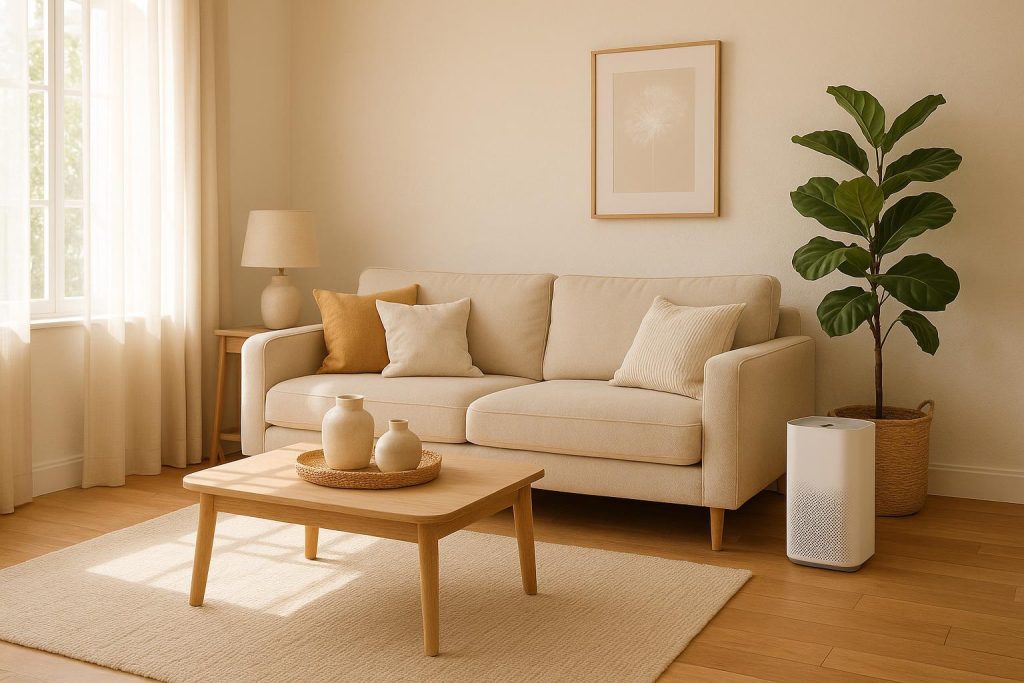
Understanding How Air Purifiers Can Help Control Dander
For many households, pet dander can be a frustrating and persistent allergen. Whether you share your home with lovable dogs, cats, or other furry friends, dander tends to linger on surfaces and in the air. One of the most common questions people ask is whether an air purifier can truly help minimize these tiny, often invisible flakes of skin that pets naturally shed. Air purifiers are frequently marketed as a solution for cleaner, healthier indoor air, but how effective are they when it comes to dander specifically? In this comprehensive guide, we’ll explore what pet dander is, how air purifiers can help, key features to look for in a device, plus additional tips and considerations that can make a real difference in keeping your home’s air clean.
What Exactly Is Pet Dander?
Pet dander refers to microscopic flecks of skin shed by animals with fur or feathers. These flakes can become airborne and are a major trigger for allergies and even asthma in some individuals. It’s important to differentiate dander from other commonly confused terms such as fur or hair. While it’s true that fur can carry dust, dirt, and allergens, dander itself is a distinct irritant that tends to cause sneezing, itchy eyes, and respiratory discomfort in sensitive individuals.
Every pet produces some level of dander, although certain breeds are considered lower-shedding or more allergy-friendly. Still, there is no truly “dander-free” breed, which means nearly every home with pets has these microscopic particles floating around. In addition to dander, substances such as saliva and urine can also contain allergenic proteins. Because dander is extremely light, it remains suspended in the air for long periods, eventually settling into carpeting, upholstery, and drapes, where it can build up if not regularly cleaned or filtered out.
How Air Purifiers Help Reduce Dander
An air purifier equipped with a high-efficiency particulate air (HEPA) filter can significantly reduce airborne pet dander, among other contaminants. The HEPA standard means the filter is rated to capture at least 99.97% of particles that are 0.3 microns in diameter. Since many dander particles are within this range, these filters help trap them rather than allowing them to circulate endlessly.
Here’s a closer look at how air purifiers help:
- Filtration: When air passes through the filter, it captures stray hairs, dust, pollen, and dander. This helps keep your indoor air cleaner and reduces the chance of these particles being inhaled.
- Constant Airflow: Many air purifiers run continuously, ensuring that airborne particles get cycled through the filter multiple times. This constant airflow can bring down the overall concentration of dander in your home.
- Allergy Relief: If you or a family member struggles with allergies triggered by pet dander, a good-quality air purifier can supplement your cleaning efforts to reduce symptoms like sneezing or itching.
While an air purifier can do a great deal to improve air quality, it’s important to remember that it isn’t a magic bullet. It’s most effective when used alongside other preventive methods, including thorough cleaning, grooming your pet, and maintaining balanced humidity levels in the house.
Essential Air Purifier Features to Look For
If you decide to invest in an air purifier mainly to tackle dander, there are some key features to check for to ensure you purchase a device that actually addresses your needs:
- True HEPA Filtration: This is arguably the most critical feature. Make sure the unit you buy is described as having a “True HEPA” filter rather than a similar but less effective “HEPA-type” filter.
- Adequate Coverage Area: Air purifiers come with ratings that indicate the size of the room they can handle. Select a model that matches or exceeds your room’s square footage to ensure maximum effectiveness.
- Clean Air Delivery Rate (CADR): CADR measures how quickly an air purifier can remove common air pollutants. A higher CADR typically indicates a more powerful unit, but check the CADR specifically for allergens or dust, as that often includes dander.
- Ease of Maintenance: Filters must be replaced or cleaned periodically, and different units vary in how frequently they require maintenance. An air purifier won’t help if the filter is never cleaned or replaced, so look for a user-friendly option.
- Additional Filtration Stages: Some devices include other stages like activated carbon filters, which help tackle odors. Though this may not directly remove more dander, tackling pet-related smells can be a bonus.
By selecting an air purifier with these features, you’ll be better positioned to see real results in terms of reduced pet dander (and possibly fewer itchy noses).
Additional Strategies to Reduce Pet Dander Indoors
Although a good air purifier can decrease airborne allergens, it’s not the only method for managing pet dander. Here are some habits and practices you might find particularly beneficial:
- Regular Grooming: Brushing and bathing your pet helps remove loose fur and attached dander before it becomes airborne. Depending on your pet’s breed, you can talk with a veterinarian about a grooming schedule that won’t irritate their skin but still keeps shedding in check.
- Frequent Vacuuming: Carpets, floors, and upholstery can accumulate high levels of dander. A vacuum cleaner with a HEPA filter will help capture these tiny particles, so they don’t waft back into the air. Don’t neglect rugs and hardwood corners where dander can gather.
- Washing Bedding and Cushion Covers: Pet dander is often found in areas where your animals sleep or rest. Regularly laundering bedding, including your own sheets if your pets sleep on the bed, helps keep allergens to a minimum.
- Dusting and Damp Mopping: Using a damp cloth for dusting and a slightly damp mop for hard floors can be more effective than dry methods, because they’ll trap particles rather than disperse them.
- Good Ventilation: When weather permits, bringing fresh air into your home through open windows can help dilute indoor pollutants. Just be mindful of outdoor pollen if you have other allergies to contend with.
How Consistent Cleaning Services Can Help
It’s easy to let regular cleaning slide when life gets busy, yet a clean home is crucial for controlling allergens like pet dander. If you find it challenging to keep up with deep cleaning, vacuuming, and dusting, seeking help from a trusted, detail-oriented cleaning provider can be a game-changer. Professional cleaning teams have the tools and expertise to target hidden areas where pet dander may accumulate, such as behind furniture, under beds, and in tight corners.
For those seeking ongoing relief from allergens, scheduling consistent home cleanings can help reduce the dander load in your living space. If you need an extra helping hand, you might explore residential cleaning services that focus on detail-oriented care. Such services often include wiping down baseboards, dusting high shelves, and ensuring thorough vacuuming with specialized equipment, all of which go a long way toward making the air in your home fresher.
Do You Need a Specific Type of Air Purifier for Dander?
A high-quality air purifier with a True HEPA filter is generally the most recommended approach for tackling any small airborne allergens, including pet dander. Additional layers like pre-filters and activated carbon filters are useful if you also want to reduce pet odors or other pollutants. As long as the device is designed to capture fine particles, is sized correctly for your space, and you keep up with filter changes, you can expect to see benefits.
Still, remember that not all units are created equally. If you have a large living area or multiple pets, you may need a robust air purifier or multiple units to handle the volume of allergens produced. Positioning them in pet-frequented areas, such as the bedroom (if your pets sleep there) or the living room, can maximize efficiency.
Common Misconceptions and Mistakes
When it comes to reducing household dander, there are some pitfalls and myths:
- Overlooking the Importance of Maintenance: Simply buying an air purifier and letting it run isn’t enough. Filters must be replaced according to recommended schedules or more frequently if you have multiple shedding pets.
- Neglecting Other Allergens: While addressing dander is essential, many people are also sensitive to mold spores, dust mites, and pollen. A good air purifier can target multiple irritants, but if other allergens accumulate, you might still experience discomfort.
- Relying Solely on Technology: Though an air purifier can be a powerful tool, it won’t solve every virus, bacteria, or allergen issue on its own. Combining it with good cleaning practices is your best strategy for keeping the environment comfortable.
- Choosing the Wrong Size Purifier: A small purifier meant for a 100-square-foot room won’t adequately handle an open concept living area of 500 square feet or more. Be sure to match the capacity to your room size.
Can an Air Purifier Make a Noticeable Difference?
While results can vary depending on factors such as the number of pets, your home’s layout, and existing ventilation, many pet owners do notice a difference in how they feel shortly after adding a suitable air purifier into their routine. Allergy symptoms may lessen, the air can feel fresher, and you might find fewer floating hairs or dust particles visible in sunlight. An air purifier can also contribute to general indoor air quality by capturing additional particles like dust, mold spores, and even some household odors.
Creating a Healthier Home Environment
Ultimately, keeping your space comfortable and healthy requires a holistic approach. Air purifiers help trap airborne dander, but the benefits increase exponentially when combined with other strategies. With regular cleaning, intentional ventilation, and consistent pet grooming, most households can reduce the impact of dander quite effectively.
If you have a busy schedule or find it difficult to maintain a cleaning routine that truly addresses pet dander at its source, it can be helpful to schedule a professional service. Thorough vacuuming, dusting, and frequent laundering of linens not only make your home look tidier but also ensure that dander levels remain in check. In conjunction with the right air purifier, this approach can make your living environment notably more pleasant for everyone—especially those with allergies.
Final Thoughts
Investing in an air purifier with a True HEPA filter can significantly cut down on the amount of pet dander circulating in the air inside your home. These devices excel at capturing tiny particles, including dander, dust mites, and pollen, which can all be irritants for those prone to allergies or respiratory issues. The key to real relief, however, lies in a multipronged strategy that involves regular housecleaning, careful pet grooming, and proper home ventilation.
While no single product can completely eliminate pet dander from your home, a high-quality air purifier certainly helps. Combine it with meticulous surface cleaning—either by yourself or through a professional cleaning option—and you’ll likely notice fewer allergy flare-ups and fresher indoor air overall, giving you and your loved ones a healthier, more inviting home environment.
