
Understanding Black Mold: Is Professional Removal Necessary?
Black mold is a phrase that tends to cause alarm, largely because of its reputation for potentially serious health risks and the challenge of thoroughly removing it from your home. But how much do you actually know about black mold—what it is, how it forms, and when you really need to seek the services of a professional? In this guide, we’ll explore the facts, including the dangers of black mold, why it appears, steps you can take to keep it under control, and when you should consider professional assistance.
What Is Black Mold?
Black mold commonly refers to a group of molds known as Stachybotrys, though there are other dark-colored molds that can appear black to the naked eye. These fungi thrive in damp, humid, and warm areas, feeding on organic materials such as paper, wood, or drywall. Hidden leaks, condensation, or prolonged moisture in the home often contribute to an ideal environment for black mold growth. Because mold can easily spread via spores, an initially small patch can quickly spread to other areas in the right conditions.
Why Does Black Mold Form Indoors?
Moisture is the single biggest factor in mold development. This can result from:
- Plumbing Leaks: Leaks under the sink, in the walls, or around neglected pipes may create pockets of moisture where mold flourishes unnoticed.
- Poor Ventilation: Bathrooms, basements, and attics with limited airflow can allow humidity to linger to the point where moisture condenses on surfaces.
- Flood Damage: After flooding, damp carpets, walls, and floors become ideal breeding grounds for mold if not thoroughly dried out.
- High Humidity: Geographic regions or specific buildings may have high humidity levels. Lack of air circulation or inadequate dehumidification can contribute to mold-friendly conditions.
Signs You May Have Black Mold
Identifying black mold early can reduce larger issues later. Some telling indicators include:
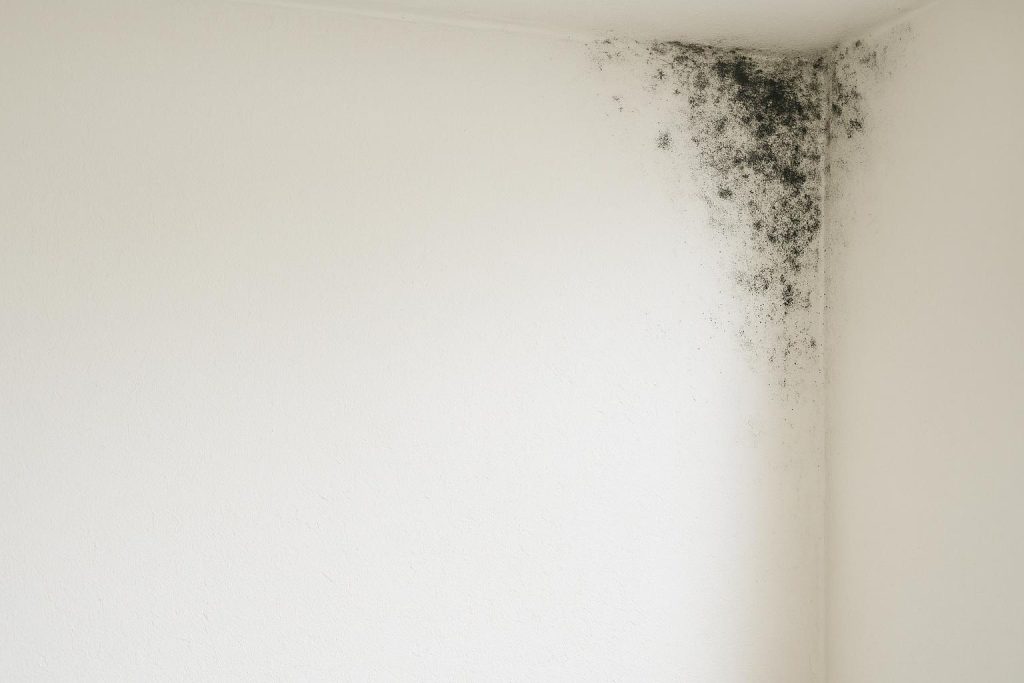
- Visible Dark Spots: Patches that appear black or greenish-black on ceilings, walls, or around leaky pipes can be a sign of mold colonies.
- Musty Odor: A persistent, earthy smell—particularly in closed-off rooms or damp areas—is a common trademark of mold.
- Allergy Symptoms: If you experience coughing, sneezing, or irritation of the eyes and throat that seem to worsen inside your home, hidden mold may be triggering these symptoms.
If any of these signs sound familiar, a closer visual inspection or mold test could help you confirm the presence of black mold.
Health Risks Associated with Black Mold
The hype around black mold often stems from concerns over health impacts. While not every encounter with black mold leads to serious issues, it can provoke symptoms in sensitive individuals, such as those with respiratory conditions, asthma, or weakened immune systems. Potential effects of black mold exposure may include:
- Respiratory Problems: Chronic coughing, wheezing, runny nose, or nasal congestion.
- Eye and Throat Irritation: Some people report sore throat, red eyes, or a burning sensation in the nose.
- Exacerbated Allergies and Asthma: Those already dealing with asthma or allergies might see their symptoms worsen in moldy environments.
It’s important to remember that reactions vary widely, and many strains of mold (not only black mold) can trigger health concerns in susceptible individuals. The presence of black mold, however, tends to raise additional alarm because of its strong association with poor indoor air quality.
Can You Remove Black Mold Yourself?
At-home mold removal strategies may be effective on a limited scale—under roughly 10 square feet—and when you catch the mold early. If you notice a small spot, you could:
- Wear Protective Gear: Consider gloves, goggles, and a mask to limit direct exposure to spores.
- Use the Right Cleaning Solution: A mixture of detergent and water may clean minor mold patches on non-porous surfaces. Commercially available mold-killing solutions or diluted bleach can also be used (though be sure to handle bleach carefully).
- Dry Thoroughly: Make sure the cleaned area is well-ventilated and dried thoroughly to prevent immediate regrowth.
- Barrier Off the Area: For even small patches, shutting doors or using plastic sheeting helps limit spore spread while you’re working.
However, there are a few crucial considerations when you attempt to remove black mold yourself. In addition to standard cleaning precautions, you’ll want to be sure there aren’t structural issues contributing to the underlying moisture. If you have a persistent leak or structural defect, the mold will likely return even if you clean the visible surface.
When It’s Time to Seek Professional Help
Even if you handle minor mold growth on your own, some situations call for specialized help. Seek professional removal if:
- The Affected Area Is Larger Than 10 Square Feet: The U.S. Environmental Protection Agency (EPA) recommends professional help when mold covers large areas, as bigger colonies are more difficult to treat successfully without spreading spores.
- You Suspect Hidden Mold: If there’s a persistent musty smell or visible signs that mold extends behind walls, into vents, or in other hard-to-reach areas, professionals can locate and address hidden growth.
- There’s Significant Water Damage: After flooding or a major leak, you may be dealing with more than just a surface-level infestation.
- Household Members Are High-Risk: Those with severe allergies, asthma, or potentially compromised immune systems benefit from expert intervention to minimize exposure.
Professional mold remediation companies use specialized equipment—HEPA vacuums, negative air machines, advanced cleaning solvents—and they have the expertise to ensure the infestation doesn’t return. They’ll also typically perform tests before and after the cleanup to ensure mold spores aren’t lingering in your indoor air.
Why Professional Treatment Makes a Difference
Removing black mold isn’t simply a matter of wiping it away. Spores can cling to porous surfaces, settle in ventilation systems, or remain behind drywall. Here’s how a professional approach can help:
- Thorough Inspection and Testing: Mold remediation experts use moisture meters, infrared cameras, and other tools to identify problem spots you might not see.
- Containment Strategies: Proper containment keeps mold spores from spreading to other parts of the home during removal. This typically includes sealing off vents and doorways with plastic barriers.
- Safe Removal and Disposal: Professionals use advanced methods (such as HEPA filtration) to capture spores. They also follow strict protocols for disposing of mold-infested materials.
- Addressing the Source: A reputable company doesn’t just remove mold; they help you find and fix the underlying causes—like leaky roofs or pipes—so the mold won’t return.
Preventing Mold Regrowth
Once black mold is remediated, you’ll want to keep it from making a comeback. Practical tips include:
- Control Humidity: Use dehumidifiers or air conditioners, especially in damp rooms, to maintain indoor humidity below around 50%.
- Check for Leaks: Inspect faucets, pipes, and roofing regularly so you can catch small leaks before they create conditions that foster mold growth.
- Adequate Ventilation: Turn on bathroom fans or open windows while bathing and showering. Use kitchen vents when cooking.
- Regular Cleaning: Maintain a tidy environment, especially in damp areas. Routine cleaning can help spot potential mold growth early.
If you live in a humid climate, extra diligence is warranted. Regularly wiping down surfaces and monitoring crawlspaces, basements, or other dark and moist corners of your home can significantly reduce the risk of mold regrowth.
The Role of Routine Home Cleaning and Maintenance
A clean, dry environment helps discourage mold of any kind from cropping up. Basic home cleaning tasks like dusting, vacuuming with a HEPA filter, and wiping down surfaces can make a difference in preventing small mold spores from taking hold. Professional cleaning services—particularly residential cleaning or move-in and move-out cleaning—can help you keep moisture and dirt under control, especially in those corners and crevices that are easy to miss during a hectic schedule. However, it’s crucial to note that substantial black mold infestations typically require specialized mold remediation. General cleaning services do not replace the need for professional treatment if a large or particularly toxic mold colony is present.
Why Professional Remediation Often Outweighs DIY
Examining your own mold problem often illuminates just how complicated mold removal can be. While minor surface mold may respond to a do-it-yourself approach, black mold inside walls, under flooring, or in extensive colonies can prove much more resistant. Pros have access to equipment and solutions not typically found in household supply closets. They can also help ensure your home’s air is safe after the cleanup. Achieving that peace of mind might be worth it—especially if you’re dealing with multiple areas of mold growth or you suspect structural issues that a standard cleaning can’t fix.
Finding a Trusted Partner in Edmonton and Beyond
If you’re based in Edmonton or the surrounding areas, there’s no shortage of local professionals equipped to handle mold remediation. And while everyday cleaning services might not remove large-scale black mold, they can often refer you to specialized teams if they spot warning signs in the course of routine cleaning. Should you need consistent help maintaining a healthier environment after mold removal, scheduling periodic professional home cleaning helps keep humidity, dust, and general mess in check—further reducing the likelihood of mold. If you have questions about cleaning schedules or want to ensure your entire home environment remains fresh and safe, consider reaching out to a locally owned company that understands your region’s climate and moisture challenges.
Common Myths About Black Mold and Professional Removal
Myth #1: All black mold is toxic.
While black mold can release spores that cause health issues, “toxic mold” is a term often overused. Recognizing the potential hazard is good, but not all black mold growth is automatically life-threatening.
Myth #2: If you can’t see it, it’s not there.
Mold can flourish behind walls, inside insulation, or under flooring. If you suspect an issue based on musty smells or recent water damage, an inspection can confirm whether mold is growing out of sight.
Myth #3: A quick spray with bleach fixes everything.
While bleach might kill surface-level mold on certain non-porous materials, it doesn’t necessarily penetrate deeply into drywall or wood. More thorough remediation practices are often necessary, especially for porous surfaces.
Steps to Take if You Suspect a Significant Infestation
- Document the Problem: Start by photographing or noting the location and approximate size of the mold growth. This helps any contractor assess the severity and potential causes before arriving on-site.
- Limit Spread: Keep air circulation to a minimum in the affected area. Turn off fans or HVAC systems if possible and close doors to confine spores.
- Contact a Professional: Look for mold remediation experts in your area. Inquire about their containment methods, testing procedures, and the scope of work they provide.
- Address Moisture Issues: While waiting on the professionals, try to identify any leaks or humidity problems that contributed to the mold growth.
Conclusion: Don’t Let Black Mold Take Over
Black mold can pose real problems if allowed to grow unchecked. From potential health risks to structural damage, ignoring obvious signs is never wise. Though smaller mold spots can sometimes be handled at home with proper precautions, you’ll want to engage a professional if the infestation is large, hidden within walls, or if health concerns are present in your household.
Ultimately, it’s about recognizing the right approach for your situation. A major mold outbreak likely needs a specialized remediation team, but maintaining a cleaner, healthier space overall can be supported by a reliable home cleaning service. Whether you’re dealing with musty smells, lingering dampness, or just want a fresh start, regular cleaning and consistent checks for moisture go a long way to preventing mold of any kind from making itself at home.
By staying informed, identifying the warning signs of mold growth, and knowing when it’s time to call in a professional, you can keep black mold from becoming a serious headache. Focus on preventative measures, and if you find yourself with a bigger mold problem than you can handle alone, don’t hesitate to reach out for help. A thoroughly cleaned and properly maintained environment is your best defense against black mold.
