
Can you detect black mold without seeing it?

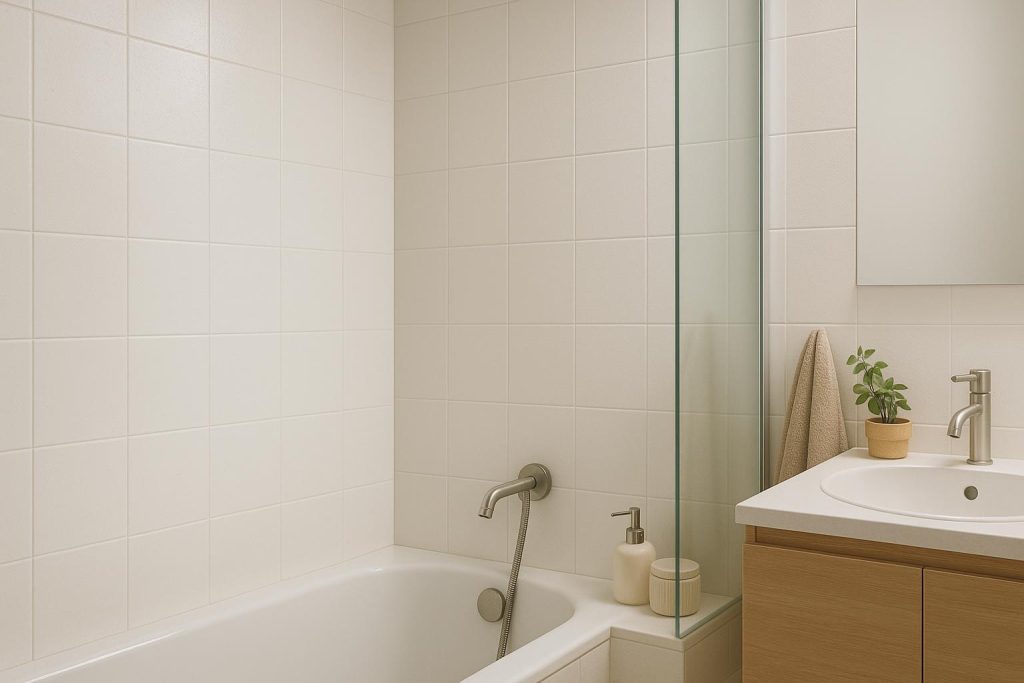
Modern white-tiled bathroom corner with moisture visible, highlighting black mold concerns.

How to Detect Black Mold Without Actually Seeing It

It is possible to suspect the presence of black mold even if you cannot spot it. One common indicator is a persistent musty or earthy smell lingering in certain rooms or areas of your home. Mold thrives in damp environments, and its spores can release odors that linger in the air. If you notice a strong, unpleasant smell that seems to worsen after rainfall or in areas prone to moisture—such as bathrooms, basements, or near leaking pipes—there is a chance that black mold could be hidden behind drywall, inside vents, or under flooring.

Another sign you might be dealing with mold is the onset of allergy-like symptoms, particularly if they worsen when you spend time in specific areas of your house. These symptoms often include sneezing, coughing, itchy eyes, and respiratory irritation. If these issues consistently flare up while at home and improve once you leave, you may want to investigate possible mold sources. Monitoring humidity levels is also important because mold grows rapidly in damp conditions. Consider using a hygrometer to ensure relative humidity in your home stays below 50%. Additionally, keep an eye out for water stains or peeling paint on walls and ceilings, as these could indicate hidden moisture problems that create a perfect breeding ground for mold.

While professional mold testing is the surest way to confirm the presence of black mold, thorough cleaning can help you uncover areas that might harbor hidden colonies. Pay special attention to dark corners, behind appliances, and near any signs of water damage. If you live in a humid climate or suspect mold in hard-to-reach spots, you might look into a detailed cleaning routine that addresses every nook and cranny. For a comprehensive approach, consider our Residential Cleaning services, which can help highlight issues like persistent dampness or suspicious odors that merit further investigation. If you have ongoing concerns, you can also contact us for more information. Taking these preventative steps not only improves indoor air quality but also helps maintain a healthier home environment in the long run.

Related FAQs

The cost of whole house cleaning by Fussy Cleaning Services varies based on several factors, including the size of the home, the level of cleaning required, and any additional services requested. On average, clients can expect a range reflecting the comprehensiveness and quality of service. Fussy Cleaning Services provides customized quotes to ensure fairness and […]

Cleaning products can be either acidic, basic (alkaline), or neutral, depending on their intended use. Acidic cleaners, like those containing citric acid or vinegar, are effective for mineral deposit removal and rust stains. They are often used in bathroom cleaners and toilet bowl cleaners. Basic cleaners, on the other hand, contain ingredients like ammonia or […]

During pregnancy, it’s advisable to be cautious with cleaning products. Some chemicals found in cleaning products can be harmful to a developing fetus. Pregnant individuals should avoid products with strong fumes, such as bleach and ammonia, and those labelled as toxic or hazardous. Natural or plant-based products are generally safer but should still be used […]

The toxicity of cleaning products varies widely based on their ingredients and concentration. Many conventional cleaning products contain chemicals that can be harmful if ingested, inhaled, or come into contact with skin. Ingredients like ammonia, bleach, and certain acids can be irritant or corrosive. However, many eco-friendly and non-toxic cleaning products that use natural ingredients […]

Yes, cleaning vinegar can be used in laundry. It can help remove odours, brighten clothes, and soften fabrics. It’s particularly effective for removing mildew smells and is a natural fabric softener. When using cleaning vinegar in laundry, add it to the rinse cycle. Be cautious not to mix vinegar with bleach, as this can create […]

Yes, cleaning products can freeze, particularly those that contain a high percentage of water. Many household cleaning solutions, including glass cleaners, all-purpose cleaners, and disinfectants, are water-based and susceptible to freezing at temperatures below 0°C (32°F). While freezing doesn’t always render a product useless, it can alter its chemical composition, making it less effective. What […]