
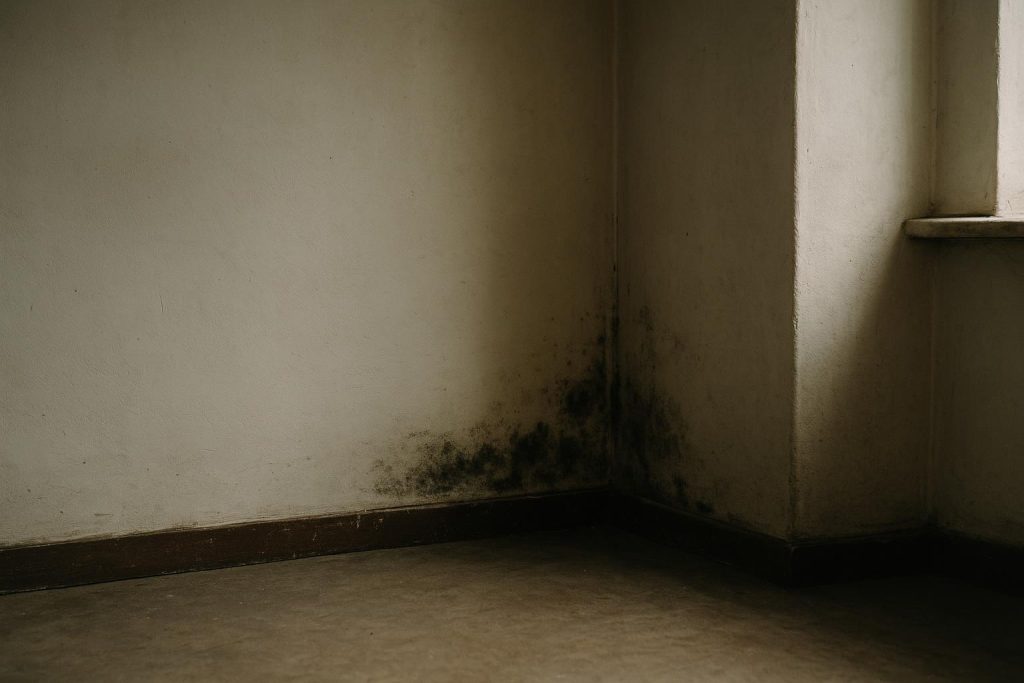
Understanding Black Mold: Can It Be Odorless?
When people think of mold issues in their home, one of the first concerns that often comes to mind is the unmistakable musty smell frequently associated with mold colonies. Yet, it might surprise you to learn that certain species of mold, including the notorious black mold (also known by its scientific name Stachybotrys chartarum), can sometimes be odorless. Because of this, black mold can lurk unseen in hidden corners of a house, making it all the more damaging and potentially hazardous to the unwary homeowner. In this article, we will explore whether black mold can indeed be odorless, why mold can pose such a threat, and what you can do to keep your household in tip-top shape.
What Exactly Is Black Mold?
Black mold gets its name from its dark greenish to black coloration, but as noted above, it refers most commonly to Stachybotrys chartarum. This mold species thrives in moist or humid conditions, often taking root in areas of the home where there has been a leak or water damage. If you have experienced flooding, a dripping pipe, or persistent moisture in bathrooms, basements, or attics, mold can flourish in hidden pockets.
Though black mold is not always the most common type of mold in households (there are many varieties), it has gained its reputation due to the potential health implications associated with prolonged exposure. However, mold is not always easy to detect—some people erroneously assume that a pervasive musty smell is the only indicator of a mold problem. While a distinct odor is definitely a common sign, mold can sometimes grow behind walls, under carpets, or within ductwork without producing a detectable scent.
Can Black Mold Be Odorless?
The short answer is: yes, it can be odorless in certain situations, at least for a time. Mold growth and odor often go hand-in-hand because the compounds it releases typically create that telltale musty smell. However, there are a few reasons mold might not always produce a strong odor:
- Location: If the colony is hidden behind walls, inside HVAC systems, or beneath floorboards, the space might be enclosed sufficiently that the odor does not spread to the living areas.
- Growth Stage: Mold spores in an early stage of growth or in a dormant phase might produce less odor. Odor can vary in intensity depending on the mold’s life cycle.
- Individual Sensitivity: Not everyone’s sense of smell is equally sensitive. Some people might simply fail to detect lower levels of mustiness, which could cause them to miss a developing issue.
In short, relying solely on your nose to detect a mold problem is risky. If you suspect mold or have had any water damage in the past, a thorough inspection may be warranted, even in the absence of that characteristic smell.
Risks and Health Concerns of Mold
While different mold species can produce different effects, mold growth in your home is generally considered a potential health hazard. Among household molds, Stachybotrys chartarum is of particular concern because it has been associated with health complaints such as:
- Allergic reactions like sneezing, coughing, or itchy eyes
- Asthma flare-ups and respiratory difficulties
- Throat and sinus irritation
- Worsening of existing lung conditions
These symptoms can be especially problematic for people with compromised immune systems, children, and the elderly. Just because a mold does not smell strongly—or at all—does not mean it’s harmless. If you notice frequent respiratory issues or persistent allergy-like symptoms that seem to get better when you leave the house, mold could be playing a part.
Early Warning Signs to Look For
In addition to a musty odor, several signs can indicate mold growth even if the mold itself is not outwardly visible:
- Water Stains or Discoloration: Brownish or yellowish patches on walls, ceilings, or floors can be clues of water damage and subsequent mold growth.
- Peeling Paint or Wallpaper: Moisture trapped beneath surfaces often causes bubbling or peeling, which could signal a wet environment beneficial to mold.
- Condensation: Regular condensation on windows or pipes can raise indoor humidity levels, and high humidity (above around 60%) fosters mold growth.
- Warped Materials: Wood that warps or drywall that bulges may indicate prolonged moisture, a perfect breeding ground for mold colonies.
- Frequent Allergy Symptoms Indoors: Chronic coughing, unexplained sneezing fits, or watery eyes when spending time at home could be early warning signs.
Reducing Mold Risk: Prevention Methods
Black mold, or any mold for that matter, thrives in damp conditions. Therefore, effective prevention revolves around controlling moisture in your home. Consider the following strategies:
- Fix Leaks Promptly: Whether it’s a dripping pipe under the sink or a slow leak in the roof, address water problems as soon as possible. It doesn’t take much stagnant moisture for mold to establish itself.
- Enhance Ventilation: Ensure kitchens and bathrooms have properly functioning exhaust fans. Keep air circulating to reduce humidity, especially in areas prone to dampness like basements and crawl spaces.
- Monitor Humidity: Aim to keep indoor humidity below about 50-60%. A dehumidifier can work wonders in regions with naturally high humidity levels.
- Use Mold-Resistant Products: If you’re renovating or repairing walls, opt for mold-resistant drywall, paints, and sealants in moisture-prone zones.
- Regular Cleaning and Maintenance: Simple upkeep like wiping down bathroom tiles, cleaning shower curtains, and vacuuming carpets can remove spores before they settle in. For ongoing upkeep, professional residential cleaning services can help maintain a healthier home environment.
What if Mold Is Already Present?
There is a difference between surface mold you might find in a damp corner of the shower and an extensive mold colony growing in walls or under floors. While smaller patches of mold can often be cleaned with household products (or diluted bleach solutions for non-porous surfaces), black mold that covers a large area or has penetrated porous materials can be more problematic. Some guidelines suggest that if mold covers an area larger than around 10 square feet, professional assistance is highly recommended. Mold remediation experts know how to stop the spread, remove affected material safely, and address root moisture issues so the mold does not reappear.
It’s also important to recognize that certain building materials may need to be replaced entirely if the mold has gone too deep. Mold can cling to drywall, wood framing, and even personal belongings like furniture or textiles. Attempting to remove extensive mold on your own can risk disturbing the spores and scattering them to other areas of your home, so carefully weigh the size and severity of the problem before deciding on a course of action.
When You Cannot Detect an Odor
If black mold can sometimes be odorless, how can you be sure your home is safe? While nobody can be 100% certain without proper testing, you can follow a few practical steps:
- Stay Alert for Visible Signs: Inspect basements, attics, crawl spaces, and behind furniture. Look for small dark patches that could indicate mold.
- Monitor Your Health: Unexplained allergic or respiratory problems could be connected to hidden mold. Keep track of asthma symptoms, headaches, or rashes that worsen indoors.
- Consider Professional Inspections: If you have had significant water damage or you suspect mold behind walls, a professional inspection can reveal hidden colonies.
- Maintain a Clean Environment: Regular cleaning routines can prevent dust and moisture buildup. This is particularly important in high-humidity spaces like bathrooms and kitchens.
Common Misconceptions About Black Mold
Over time, black mold has become the subject of many myths. Here are a couple of common misconceptions:
- It’s Always Toxic: Not all black-hued mold is the same as Stachybotrys chartarum, and not all mold labeled “toxic” is immediately dangerous. Still, any mold in sufficient quantity can cause health problems.
- Bleach Fixes Everything: While bleach can remove surface mold on non-porous materials, it may not penetrate porous surfaces to eradicate mold roots. Without addressing moisture problems, the mold is likely to return.
- If There’s No Smell, There’s No Mold: As we’ve noted, black mold can in certain conditions be odorless. Relying on smell alone is insufficient for detecting a potential issue.
Mold Prevention and the Role of Professional Cleaning
Keeping your home free from mold is an ongoing process. Simple steps like drying wet surfaces, fixing leaks quickly, and running a dehumidifier can make all the difference in minimizing spore growth. Additionally, maintaining a regular cleaning schedule is essential to eliminate debris and dust that support mold growth. For busy individuals or families who lack the time or physical ability to keep every corner spore-free, professional cleanings can be exceptionally beneficial.
If you live in or near Edmonton and surrounding areas, such as St. Albert or Fort Saskatchewan, consider hiring a trusted local company to help you stay on top of household maintenance. Routine services such as residential cleaning sessions can go a long way to ensure nooks and crannies receive the attention they need—particularly in rooms sprouting early signs of moisture. While professional cleaning services do not replace mold remediation specialists for large-scale infestations, they can be a valuable tool in maintaining a healthier living environment overall.
What You Can Do Next
Unlike some household issues that give loud, unmistakable warnings, mold can be stealthy. It may start in a corner, behind a wall, or even under a carpet. If you suspect mold growth, especially black mold, and you do not notice the usual musty smell, you can still look for:
- Previous or current water damage in the area
- Visible discolorations or small dark spots
- Peeling or bubbling paint or wallpaper in localized areas
- Unusual spikes in allergies or respiratory symptoms
For your own peace of mind, contacting a specialized mold inspector or remediation professional can save time and stress. They have tools like moisture meters, infrared cameras, and air sampling techniques to detect mold hotspots—even if that mold is lurking unseen and odorless. And once mold issues have been addressed, establishing a consistent cleaning schedule will help you keep your household safe and comfortable.
Final Thoughts
Yes, black mold can sometimes be odorless. It does not always emit the strong, musty smell we typically associate with mold, which means you could have an infestation without even realizing it. That’s why regular checks for suspicious discolorations or water damage, combined with a solid housekeeping routine, can be so valuable. By promptly addressing leaks and moisture problems, along with scheduling consistent cleaning and maintenance, you can lower the risk of mold growth and create a healthier home environment for you and your family.
Should you discover signs of black mold, consider bringing in a professional who has the tools and expertise to identify and remove the infestation at its source. Meanwhile, for day-to-day cleaning and preventive care, think about working with a reliable cleaning service that knows how to care for your home’s unique needs. With the right precautions in place, you can fend off mold growth—odorless or otherwise—and maintain a safer, fresher living space year-round.
