
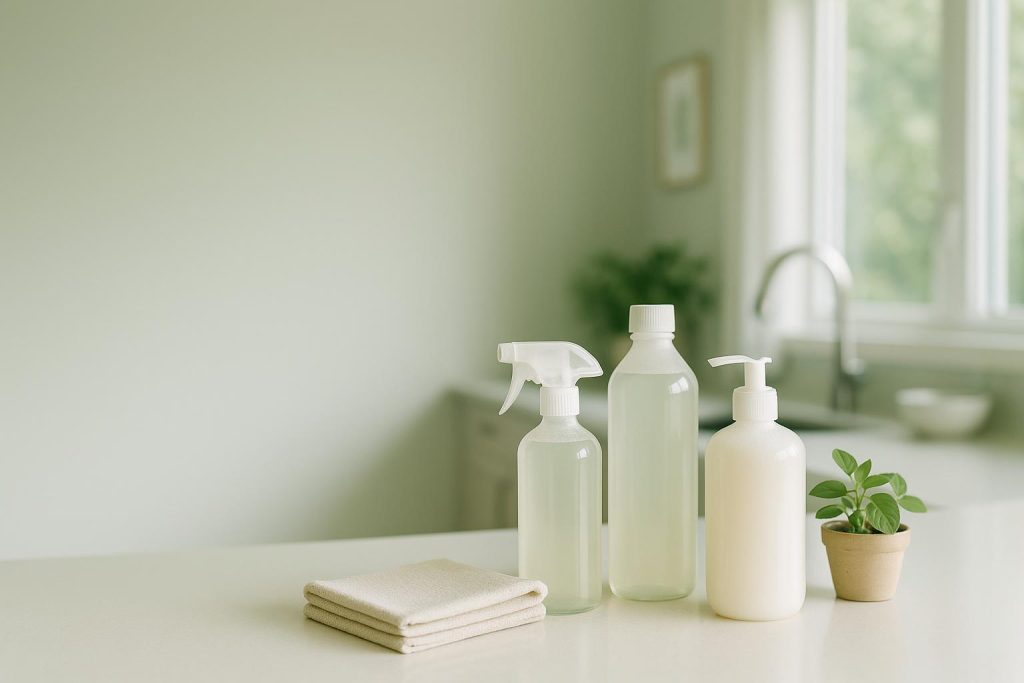
Choosing Allergy-Conscious Eco-Friendly Cleaning Products
Eco-friendly cleaning solutions can be a good choice for people with allergies, asthma, sensitive skin, or fragrance sensitivities, but they are not automatically safe for everyone. The most helpful approach is to look beyond the words “green,” “natural,” or “plant-based” and check the full product label. A product can be environmentally mindful while still containing ingredients, scents, or essential oils that bother a particular person.
For many households, switching to gentler cleaning products can reduce exposure to strong fumes, heavy fragrances, and residues that may irritate the eyes, nose, throat, or skin. However, allergies are personal. What works well for one person may cause sneezing, headaches, coughing, rashes, or asthma symptoms for another. Choosing the right products, cleaning carefully, and keeping indoor air fresh can make a meaningful difference.
Why some conventional cleaners can be irritating
Traditional cleaning products may contain strong fragrances, bleach, ammonia, solvents, dyes, or other ingredients that create noticeable fumes. These ingredients do not cause an allergy in every person, but they can irritate airways and trigger symptoms in people who are already sensitive. This is especially common when products are used in small spaces with limited airflow, such as bathrooms, kitchens, laundry rooms, and entryways.
Common reactions to cleaning-product irritation may include:
- Sneezing, a runny nose, or nasal congestion
- Watery, itchy, or burning eyes
- Coughing, wheezing, chest tightness, or shortness of breath
- Headaches or nausea caused by strong scents
- Itchy skin, redness, dryness, or contact dermatitis
- Worsening asthma symptoms after cleaning
It is important to note that irritation and a true allergy are not always the same thing. Strong scents can bother someone even when they do not have a diagnosed allergy. If anyone in your home has asthma, severe allergies, eczema, or a history of reactions to cleaning products, speak with a health-care professional or allergist about their specific needs.
Are “natural” and eco-friendly cleaners always hypoallergenic?
No. Eco-friendly cleaning does not always mean fragrance-free, hypoallergenic, or non-irritating. Ingredients from natural sources can still trigger a reaction. For example, essential oils such as citrus, peppermint, tea tree, lavender, eucalyptus, and pine can have strong scents. Some people enjoy these aromas, while others find that they bring on headaches, skin irritation, or respiratory discomfort.
Likewise, a cleaner made with plant-derived ingredients may be gentler than a conventional formula, but it may still contain preservatives, surfactants, or fragrances that do not suit every person. “Hypoallergenic” can be a useful label, yet it is not a guarantee that no one will react. Think of it as a sign to investigate further, rather than a promise of complete safety.
The best eco-friendly cleaning products for allergy sufferers are usually those with simple, clearly listed ingredients and little or no added fragrance. Unscented products are often a safer starting point than products labeled “fresh,” “clean,” “botanical,” or “naturally scented.”
What to look for on product labels
Reading labels takes a few extra minutes, but it is one of the best ways to make a home-cleaning routine more comfortable for sensitive people. Look for products that are transparent about what they contain and how they should be used.
- Fragrance-free or unscented: Choose products with no added fragrance when scents are a known trigger. Be aware that “unscented” can sometimes mean a scent has been masked, so review the ingredient list when possible.
- Clear ingredient disclosure: A detailed ingredient list makes it easier to avoid known triggers.
- Dye-free formulas: Added colour is rarely needed for cleaning and can be an unnecessary extra for sensitive skin.
- Low-odour products: Mild-smelling products can be more comfortable for people with scent sensitivities or asthma.
- Directions for dilution and ventilation: Even gentler products should be used as directed. Using too much product can leave residue and increase airborne exposure.
- Appropriate surface use: Use a product only where it is intended. A bathroom cleaner may not be suitable for food-preparation surfaces or delicate materials.
If a label lists an ingredient that has caused a reaction in the past, avoid it. When you are unsure, test a small amount in a well-ventilated area before using it throughout the home. For skin-contact products, follow the manufacturer’s guidance and stop using the product if irritation occurs.
Cleaning habits matter as much as the product
A low-toxicity or eco-friendly cleaner is only one part of an allergy-aware home. Dust, pet dander, pollen, mould spores, and dust mites are common indoor triggers. A thoughtful cleaning plan helps remove these particles without simply moving them around.
Try these practical habits:
- Use a HEPA-filter vacuum if possible, especially on carpets, rugs, upholstered furniture, and mattresses. HEPA filtration can help capture fine particles that may otherwise return to the air.
- Dust with a damp microfiber cloth. Dry dusting can send particles airborne. A slightly damp cloth is often more effective at picking them up.
- Clean from top to bottom. Start with higher surfaces, such as shelves and ledges, then finish with floors so fallen dust is removed.
- Wash bedding regularly. Hot-water washing, when fabric care instructions allow it, can help manage dust mites and allergens in sheets and pillowcases.
- Reduce clutter. Fewer crowded surfaces mean fewer places for dust to settle. Helpful decluttering and organizing support can make regular cleaning easier.
- Control moisture. Repair leaks, dry wet areas promptly, and use bathroom fans to help prevent mould growth.
- Keep windows closed during high-pollen periods if outdoor pollen is a major trigger, and remove shoes near the entry to limit tracked-in debris.
Ventilation is also important. Open windows when weather and pollen levels allow, use exhaust fans, and give freshly cleaned rooms time to air out before someone with sensitivities spends time there. Never mix cleaning products, even eco-friendly ones. Combining products can create harmful fumes or reduce their effectiveness.
Eco-friendly cleaning for homes with asthma, children, or pets
Homes with young children, pets, seniors, or people with asthma often benefit from a simpler cleaning routine. These household members may spend more time close to floors, upholstery, and other surfaces where residues can remain. Choose the mildest product that will do the job, use it sparingly, and wipe or rinse surfaces when the directions recommend it.
For routine cleaning, physical methods are often very effective: microfiber cloths, warm water, careful vacuuming, and frequent laundering can remove a great deal of everyday soil and allergens. Disinfectants have an important role when illness, raw food contamination, or other hygiene concerns are present, but they do not need to be used on every surface every day. Use products according to the label and focus on high-touch areas when disinfection is truly needed.
For a deeper look at how gentler products and methods can still provide thorough results, read our FAQ on eco-friendly methods for residential deep cleaning. The key is matching the method to the task rather than relying on harsh chemicals for every job.
When professional cleaning may help
Cleaning can stir up dust and allergens before they are removed, which can be difficult for someone with respiratory symptoms or limited mobility. A professional cleaning team can follow your preferences, focus on high-dust areas, and use products that fit your household’s needs. Before booking, tell the team about asthma, allergies, fragrance sensitivities, pets, or any products you do not want used in your home.
Fussy Cleaning is locally owned in Edmonton and provides flexible residential cleaning for households that want a cleaner, more comfortable space without adding another task to their week. A detailed conversation before service helps ensure cleaners know which areas need extra attention and whether fragrance-free or eco-conscious options are preferred. Residents in Edmonton can also consider seasonal needs, such as pollen, road dust, and winter moisture tracked indoors.
Moving is another time when dust, residues, and hidden debris can be more noticeable. If you are preparing a home for a new occupant or settling into a new place, move-in and move-out cleaning can help create a fresh start. You can also learn more about eco-friendly move-out cleaning in Edmonton.
Environmental benefits can support a healthier routine
Choosing concentrated products, reusable microfiber cloths, refillable containers, and formulas with thoughtful ingredients may reduce household waste and chemical use. These choices can support both a lower-impact cleaning routine and a more pleasant indoor environment. Still, environmental benefits should not replace personal safety: always select products based on your own allergies and sensitivities first.
For more information about reducing waste and environmental impact while maintaining a clean home, see our guide on how eco-friendly cleaning helps at home.
The bottom line
Eco-friendly cleaning solutions are often a sensible option for people with allergies because they may avoid harsh fumes, heavy fragrances, and unnecessary residues. But “eco-friendly” is not the same as universally allergy-safe. Prioritize fragrance-free products, read every label, avoid known triggers, ventilate during cleaning, and use cleaning methods that remove dust and allergens effectively.
If symptoms continue despite changing products, or if cleaning causes wheezing, swelling, severe rashes, or trouble breathing, stop using the product and seek medical advice promptly. With a personalized routine and careful product choices, it is possible to keep your home clean while being kinder to sensitive noses, lungs, and skin.
