
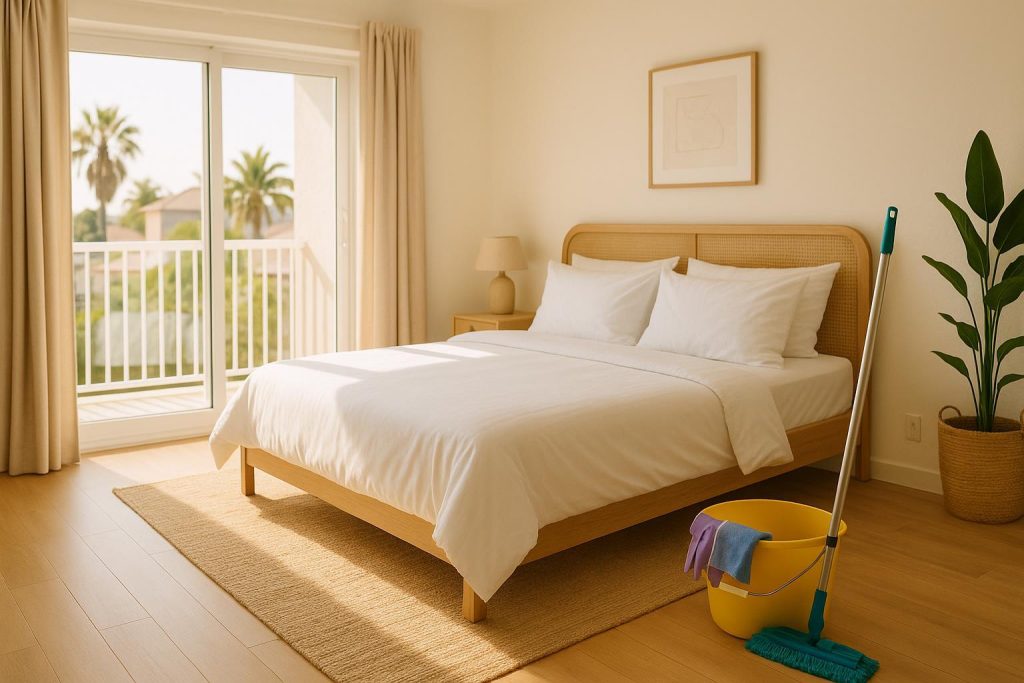
Understanding Airbnb Cleaning Between Guests
When booking an Airbnb, most travelers expect a tidy, comfortable, and welcoming place to call their temporary home. Behind the scenes, hosts put in a great deal of effort to prepare their property for each guest’s arrival. One of the biggest questions people often have—both as guests and potential hosts—is whether Airbnbs are cleaned between guests and what that process actually looks like. In short, yes. Properly managed Airbnb rentals typically undergo some level of cleaning before a new guest arrives. Below, we’ll explore how hosts address cleaning, why it matters for both guests and hosts, and the importance of thoroughness to maintain a five-star experience.
Why Airbnb Cleaning Matters
Cleanliness is a critical differentiator in short-term rentals. A home that’s cleaned thoroughly between guests not only helps maintain a good reputation but also protects everyone’s health and well-being. Traveling can be stressful, and arriving at a spotless getaway helps guests relax and acclimate quickly to their new environment. Moreover, hosts who prioritize top-notch cleaning often see better reviews, which can lead to more bookings and higher occupancy rates. Here are some key benefits of consistent cleaning:
- Guest Satisfaction: A fresh, clean space can make all the difference when guests first walk in. Positive first impressions often translate into positive reviews.
- Health & Safety: Sanitizing surfaces and thoroughly disinfecting in between stays minimizes the spread of germs, viruses, and allergens.
- Property Maintenance: Cleaning between each visit also provides an opportunity to spot any damage or problems early, preserving the property’s value in the long run.
- Host Reputation: Airbnb considers cleanliness a major factor in ratings. Maintaining high standards can elevate your listing’s rank in searches, attract repeat guests, and justify premium nightly rates.
What Does “Cleaning Between Guests” Really Entail?
Cleaning an Airbnb is more than just changing bed linens and running a vacuum over the floors. Thorough hosts follow a structured approach, focusing on both the aesthetic and hygienic aspects of the rental. Below is a general roadmap of what a typical turnover cleaning might involve:
- Laundry: Fresh bedding and towels are essential. Hosts often wash and replace these items between each reservation, sometimes using allergy-friendly detergents for guests with sensitivities.
- Kitchen Sanitization: Countertops, tables, and sinks should be wiped down and disinfected. Dishes need to be washed, dried, and put away. Appliances like the refrigerator, microwave, and coffee maker might also be cleaned inside and out.
- Bathroom Deep Clean: Toilets, showers, sinks, mirrors, and floors must be thoroughly disinfected. Many hosts also replenish essentials like soap, shampoo, and toilet paper for greater guest convenience.
- Dusting & Surface Cleaning: Dust accumulates quickly, so it’s important to wipe windowsills, furniture, shelves, and decorative items in all rooms.
- Floor Care: Carpets might need vacuuming, while hardwood or tile floors should be swept and mopped to remove dirt or spills.
- Waste Disposal: Emptying trash and recycling bins is a must, as lingering garbage can create unpleasant odors.
- Final Touches: Adding a personal touch—like restocking coffee supplies, ensuring there’s a welcome note, or placing fresh flowers in the living room—can leave guests with an even more positive impression.
Overall, the level of detail may vary depending on the host’s approach and the length of the guest’s stay. Some hosts conduct a basic but thorough cleaning of all living areas, while others opt for more frequent deep cleans.
Factors That Influence Cleaning Standards
Not all Airbnb properties are the same: some are single-room rentals in a shared home, others are condos in urban centers, and many are standalone houses in suburban neighborhoods. The number of bedrooms, bathrooms, and common areas—coupled with general foot traffic—will affect how much effort each turnover requires. Additionally, different hosts have different approaches and budgets for cleaning in between visits. Here are a few factors that often drive how in-depth the cleaning will be:
- Property Size & Layout: Larger properties naturally have a broader range of surfaces and rooms that need attention. More bedrooms and bathrooms mean extra linen changes, more furniture to dust, and additional floors to vacuum or mop.
- Frequency of Bookings: Popular listings with back-to-back reservations may have shorter cleaning windows, encouraging hosts to develop efficient, systematic cleaning processes.
- Cleaning Fees: Some hosts charge a dedicated cleaning fee. This fee often covers professional assistance or extra time spent ensuring the property is spotless.
- Type of Rental: A private room typically requires cleaning mostly in common areas and the room itself. Conversely, an entire home or apartment needs more time-intensive turnover service.
Professional Cleaning vs. DIY
When it comes to Airbnb cleaning, there’s a broad spectrum of possibilities. Some hosts handle all the cleaning personally, ensuring they control every aspect of the turnover process. This strategy is more common among hosts who live on or near the property and have flexible schedules. Handling it yourself can help you save on costs, but it also takes time—especially during peak travel seasons where turnover might happen multiple times a week.
On the flip side, relying on professional cleaning services can simplify your routine and free up time for managing other aspects of the business—like guest communication and property maintenance. A professional service can also provide specialized knowledge, equipment, and supplies that elevate and streamline the cleaning process. Many Airbnb hosts find value working with a company that offers:
- Detail-oriented Services: Professionals usually have strict checklists, making sure those easy-to-overlook spots (e.g., behind appliances, under the bed) get the care they need.
- Flexible Scheduling: A reputable company can often accommodate rapid turnaround times between guests, a major advantage in short-term rentals with high occupancy.
- Consistency: With professional cleaners, the level of cleanliness remains the same for every guest, improving the chance of consistent high ratings.
Local Services That Make a Difference
For Airbnb hosts in the Edmonton area—especially those who manage multiple properties—partnering with a trusted, locally owned company can be a significant advantage. A detail-oriented team, like Fussy Cleaning, understands the nuances of short-term rentals and focuses on delivering a fresh, welcoming environment for each new arrival. In addition, local professionals can offer a more personalized service because they are invested in the community and want to maintain a stellar reputation.
For major turnovers, a service similar to Move-in and Move-out Cleaning can be particularly beneficial, especially when preparing for a longer-term tenant or if the property hasn’t been occupied for an extended period. For more routine refreshes, Residential Cleaning services are often sufficient to handle regular turnovers and keep the home in tip-top shape.
How Hosts Can Improve Guest Experiences Through Cleaning
Once you’ve committed to cleaning after every stay, there are ways to optimize your approach for an even better guest experience:
- Use a Checklist: Create—or ask your cleaning team to create—a standardized, step-by-step cleaning checklist. This ensures nothing gets missed and helps keep your Airbnb consistent, even when you have multiple properties.
- Track Inventory: Keep an eye on your cleaning supplies and guest amenities. Running out of detergent or basic toiletries can negatively affect the next guest.
- Schedule Deep Cleans: While turnover cleans help maintain day-to-day standards, scheduling a deeper clean periodically is important—especially floors, upholstery, or that extra layer of dust on lesser-used surfaces.
- Manage the Timing: Guests generally expect to check in after standard cleaning is completed, so plan enough time between check-in and check-out to avoid rushing. This prevents overlooked spots and ensures the next guests arrive to a beautifully prepared space.
- Gather Feedback: Encourage guests to share their thoughts about cleanliness. By actively incorporating small improvements, hosts can do a better job each time.
Common Cleaning Misconceptions
There are a few persistent myths around cleanup in short-term rentals:
- Myth #1: “Hosts Only Clean If It’s Really Messy.” In reality, responsible hosts clean thoroughly after each guest, regardless of how tidy or messy the guest left the space.
- Myth #2: “Short-Term Rentals Can’t Match Hotel Standards.” Many Airbnb hosts hold themselves to an extremely high standard. In fact, because each property is unique, the level of personal care can often exceed what’s found in generic hotels.
- Myth #3: “A Cleaning Fee Guarantees a Deep Clean.” Although some hosts charge a separate cleaning fee, that charge typically goes towards supplies and the basic labor needed to prepare the space. Deep cleaning may be included or require an additional fee, depending on each host’s policy.
When Do Hosts Perform An Extra-Deep Clean?
In some situations, a standard turnover cleaning isn’t enough. After a lengthy stay or towards the end of a particularly busy season, extra attention can be beneficial. Upholstery steaming, carpet shampooing, and intense scrubbing of fixtures can help refresh the property, especially if the host wants to avoid potential wear and tear buildup. This can also be helpful when transitioning from short-term guests to longer-term tenants, or in seasonal cities where demand grows during peak months. If you’re a host managing your property in or around Edmonton, a move-out style cleaning may be just what you need to restore the space to a pristine, welcoming environment.
Addressing Health and Safety Regulations
While short-term rentals like Airbnbs aren’t always regulated the same way hotels are, many municipalities have health and safety guidelines that property owners must follow. Even if local laws don’t specifically mandate cleaning requirements, it is in the host’s best interest to exceed the minimum standards. By adopting rigorous cleaning procedures, hosts enhance guest comfort and ensure the property remains compliant if regulations evolve in the future.
How Guests Can Gauge Cleaning Quality
If you’re a traveler booking an Airbnb, you can often assess a host’s commitment to cleanliness in a few ways:
- Read Reviews: Look for guest feedback mentioning the property’s upkeep, both positive and negative.
- Check Photos: While staged photos may not tell the full story, they can give a sense of how the host prepares the home.
- Ask Questions: If you have concerns or allergies, ask the host about their cleaning routine or the products they use.
- Look for Badges: Some platforms offer specific designations or “superhost” badges if a host meets particular criteria, often including cleanliness metrics.
Additionally, if you arrive and there seems to be a discrepancy between the Airbnb listing and the actual condition of the rental, reach out to the host first. Often, misunderstandings can be resolved quickly by open communication—perhaps an area was genuinely overlooked or cleaning was rushed because of an unforeseen scheduling difficulty. Hosts who care about customer experience will make every effort to address any oversight.
Maintaining a High Standard: Tips for Hosts
Ensuring that every incoming guest has a comfortable, hygienic stay is all about consistency and planning. Here are some final considerations for Airbnb hosts:
- Invest in Quality Supplies: Opt for reliable, safe cleaning products. High-grade disinfectants, durable sponges, and effective microfiber cloths will ensure better and faster results.
- Build a Reliable Team: If you’re managing multiple listings or frequently traveling yourself, building a trustworthy relationship with a local cleaning company is invaluable. They can help uphold your reputation as a superb, reliable host.
- Monitor Turnaround Times: Ensure that your listing allows enough time between back-to-back bookings for cleaning. Rushing is risky and can lead to overlooked tasks.
- Inspect Frequently: If possible, do quick inspections or have someone do it on your behalf. Make sure the home looks just as you want it to upon guest arrival.
- Plan for Seasonal Needs: In colder climates, for instance, you might need extra doormats or shoe racks to keep mud and snow from accumulating inside.
Wrapping Up: Cleanliness Is Key
Yes, Airbnbs are typically cleaned between guest stays. In fact, it’s a cornerstone of the Airbnb experience that sets hosts apart from one another. Whether a host chooses to clean personally or work with a professional cleaning company, the ultimate goal is the same—to provide guests with a spotless, welcoming environment they can enjoy throughout their stay. Higher guest satisfaction translates to better reviews, a stronger reputation, and often higher occupancy rates. When you commit to prioritizing cleanliness, you’re also safeguarding your investment and reflecting the care and attention your guests expect.
For Airbnb owners aiming to enhance or refine their cleaning routine, consider partnering with a detailed, local cleaning team. If you’re in the Edmonton area, it’s worth exploring services such as a thorough Move-in and Move-out Cleaning or scheduling a regular Residential Cleaning to ensure each turnover meets your high standard. With consistent cleaning practices in place and attention to the little details, Airbnb hosts can create a warm, comfortable haven for every traveler who walks through the door—and reap the rewards of glowing reviews and loyal repeat guests.
