
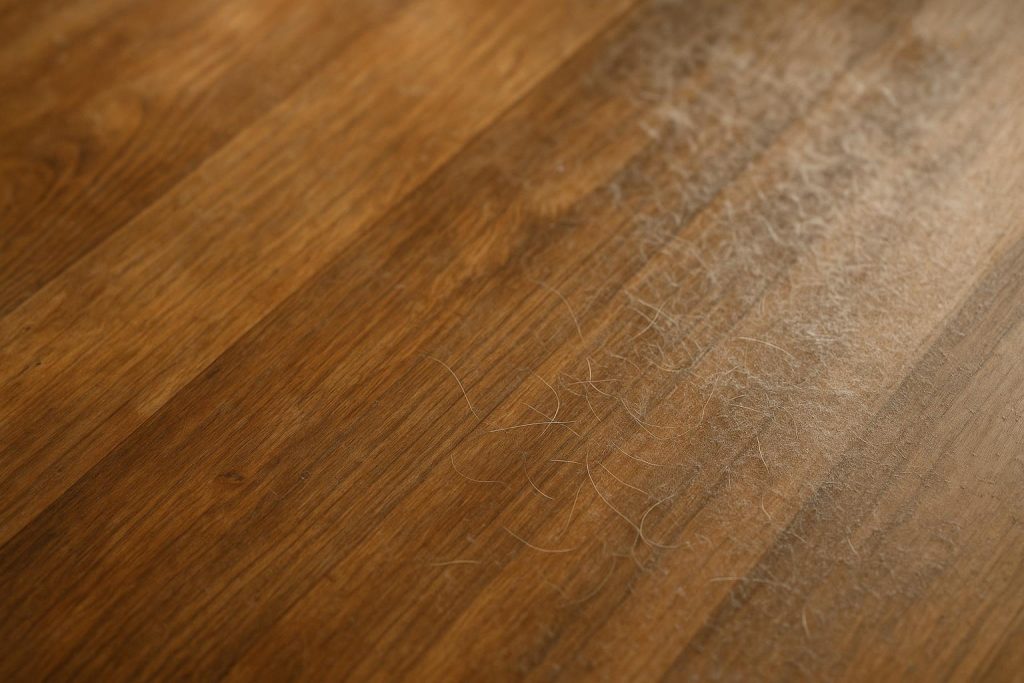
Understanding the Difference Between Pet Dander and Dust
When it comes to household cleanliness, two common culprits often contribute to an overall “dusty” or hazy environment: pet dander and dust. Both can appear as particles that settle on surfaces or float in the air, leading many to wonder if pet dander looks like dust and how they differ. In reality, they are not the same, and understanding their distinct properties can help you maintain a cleaner, healthier space. In this guide, you’ll learn how each is formed, what it consists of, and the best ways to prevent and tackle them for a fresher home.
What Is Pet Dander?
Pet dander is composed of microscopic flecks of skin shed by animals such as cats, dogs, birds, or other furry or feathered creatures. Whenever these animals groom themselves, play, or simply move around, tiny skin particles are released into the environment. Because these skin flakes are so small, they can easily become airborne and land on surrounding surfaces, items of clothing, and even your own skin and hair.
One key characteristic of pet dander is that it can be sticky. Lipids and other biological factors in an animal’s skin allow these particles to cling to soft surfaces like furniture, drapes, and rugs. Sometimes, they can appear like small flakes or specks, but more often than not, they’re barely visible to the naked eye. Despite their tiny size, they can trigger allergies, worsen asthma symptoms, and create an environment increasingly difficult to keep clean if not managed.
What Is Dust?
Dust, on the other hand, is a broader term that describes a mixture of various small particles. It can include everything from dead human skin cells, fiberglass, fabric fibers, soil particles, insect parts, pollen, and more. Because dust is a collection of many materials, its appearance can vary widely depending on the environment. In many households, dust often looks like fine, powdery particles that gather on surfaces or swirl around in the air when disturbed.
This dusty buildup accumulates on shelves, tables, electronics, and baseboards. Some of it, such as human skin flakes, may even resemble pet dander on a microscopic level, but dust usually comes from a larger range of sources. The texture and color of dust can differ. In areas with more indoor activity—pets, cooking, or frequent foot traffic—dust may mix with oils or debris and become slightly darker or clumpier.
How Are Pet Dander and Dust Alike?
It’s easy to confuse pet dander with dust because they can overlap in a few ways, notably in how they assemble around the home or float in the air. Both pet dander and dust:
- Accumulate on Surfaces: Over time, you’ll find both settled on horizontal surfaces like countertops, shelves, window sills, and floors.
- Become Airborne: Whether it’s someone walking by, a fan running, or even the action of fluffing pillows, both pet dander and dust can be propelled into the air.
- Cause Irritation: Although they do so in slightly different ways, both can be potential irritants that make you sneeze or cough. Pet dander in particular sets off allergic reactions for many individuals, while dust is sometimes packed with allergens like dust mites or pollen.
Because both are lightweight, either can appear as fine particles, leading some people to assume that what they’re seeing on their coffee table or tracking across the floor is simply “dust.” In reality, a segment of that dust may well be pet dander—particularly if a pet shares your living space.
Identifying Pet Dander Versus General Dust
While it can be challenging to confirm which particles are dust and which are pet dander just by looking, you may notice visualization differences if you examine them carefully. For instance, dander from cats and dogs can sometimes form tiny, whitish flakes, while household dust might be grayer and come together in clumps. However, under normal circumstances, you often see them combined, and the difference isn’t obvious.
In terms of health effects, if you or your family members experience intensified allergy symptoms such as sneezing, eye irritation, or difficulty breathing after interacting with your pet or spending time in areas your pet frequents, there’s a strong chance that pet dander is a culprit. On the other hand, if general sneezing occurs whenever you dust shelves or vacuum, dust and its associated allergens may be contributing more to your discomfort.
Common Causes of Pet Dander Buildup
Keeping your home free from pet dander can be especially challenging. Some factors that contribute to higher amounts of pet-related particles include:
- Shedding Cycles: Many dogs and cats shed more during certain seasons, like spring or fall. These increased shedding periods can result in a significant buildup of dander.
- Inadequate Grooming: Not brushing or bathing pets regularly can allow these tiny flakes of skin to accumulate more easily.
- Indoor Lifestyle: Pets that spend most or all of their time indoors have more opportunity to distribute dander around the home. Good ventilation can help, but an entirely indoor pet will inevitably release more particles inside.
- Multiple Pets: Having more than one furry friend doubles or even triples the potential supply of dander.
Strategies to Distinguish and Reduce Indoor Allergens
Whether you’re dealing with pet dander, dust, or both, some low-key practices and cleaning habits make a big difference in the quality of your indoor air. While you can’t eliminate these particles completely, you can reduce them enough to notice real improvements in comfort and cleanliness.
- Frequent Vacuuming: Use a vacuum cleaner equipped with a HEPA filter. These filters trap small allergens like dust, dander, and even dust mite waste. Aim for vacuuming at least once or twice a week, focusing on areas pets frequent.
- Regular Dusting: Wiping surfaces with a damp cloth is more effective than using a dry feather duster. The moisture helps keep the particles from recirculating into the air.
- Wash Linens and Upholstery: Whether it’s your pet’s bedding, blankets, or sofa covers, these fabrics can trap a lot of loose fur and dander. Washing them in hot water weekly helps reduce allergen levels.
- Groom Your Pets: A healthy grooming routine with regular brushing and occasional bathing can decrease shedding and loosen dander before it floats around.
- Use Air Purifiers: Air purifiers with High Efficiency Particulate Air (HEPA) filters capture fine particles circulating in the air, including dander and dust. Placing one in the living room or bedroom can noticeably improve air quality.
- Keep Windows Closed During High-Pollen Periods: The more pollen that enters your home, the more dust and potential allergens combine inside, which can stick to and magnify issues caused by pet dander.
When to Seek Professional Cleaning Help
If you find yourself struggling to keep up with fast-accumulating dust or you suspect heavy pet dander buildup, it may be time to seek additional help. A team of trusted, locally owned cleaning professionals can assist in giving your home a deep clean that targets those hidden spots and tricky areas you might miss.
For those who want a more thorough and detail-oriented approach, you can explore our Residential Cleaning services. Whether it’s for a recurring schedule or a helpful one-time cleaning, professional cleaners often have the experience and tools—like specialized vacuums, steam cleaners, and air filtration systems—to tackle persistent allergens efficiently. By focusing on specific areas such as carpets, rugs, upholstery, and pet bedding, a personalized service could substantially reduce the concentration of these airborne irritants.
Likewise, if you are in the process of moving or recently moved into a new space that had pets, you might consider a heavier clean. Examine our Move-in and Move-out Cleaning services for a thorough reset. This approach can target not only surface areas but also hidden corners and vents prone to harboring dust and dander.
Maintaining a Cleaner, Healthier Space
Understanding the similarity and difference between pet dander and dust empowers you to adopt better cleaning routines and lifestyle habits. Think beyond mere appearances: maintaining a healthier space means paying attention to where these particles tend to gather, proactively cleaning surfaces, and implementing preventative measures to ensure air quality remains as high as possible.
Alongside vacuuming, mopping, and dusting, consider decluttering rooms of excess fabric, stuffed toys, or items that aren’t routinely washed. In a cluttered environment, dust and dander have more surfaces to land on and hide away. You might even enlist an organizing service, if you feel you need help in clearing out spaces that collect more dust.
Consistency is key. By regularly addressing pet dander and standard household dust, you’ll improve your overall indoor air quality and reduce allergy triggers. Should you opt for professional assistance, an experienced team can prioritize detail-oriented tasks to keep your home environment in top shape without missing any of the nooks and crannies that often harbor these tiny irritants.
Final Thoughts
Even though pet dander can look a lot like dust, especially once it settles on surfaces, there is a clear difference in what these particles are and how they impact your home environment. Pet dander is uniquely allergenic, making it an especially important concern for households with cats, dogs, or other indoor animals. Dust, meanwhile, comes from a wide range of sources and can contain numerous particles, some of which may be harmless while others trigger respiratory discomfort.
To minimize the health impacts of these common indoor irritants, consider a personalized combination of at-home cleaning habits and professional cleaning services. Simple measures like regular grooming, strategic dusting, and vacuuming with a HEPA filter can go a long way. If you are still experiencing noticeable buildup or allergy issues, professional cleaning services may be your best option.
In short, while pet dander can sometimes appear similar to dust, especially when gathered in the corners of your home or floating around in a beam of light, remember that each has distinct issues and requires targeted cleaning strategies. If you are mindful of these differences, you can better address the root causes, keep your living space tidier, and enjoy a more comfortable, allergen-aware home for both humans and pets.
