
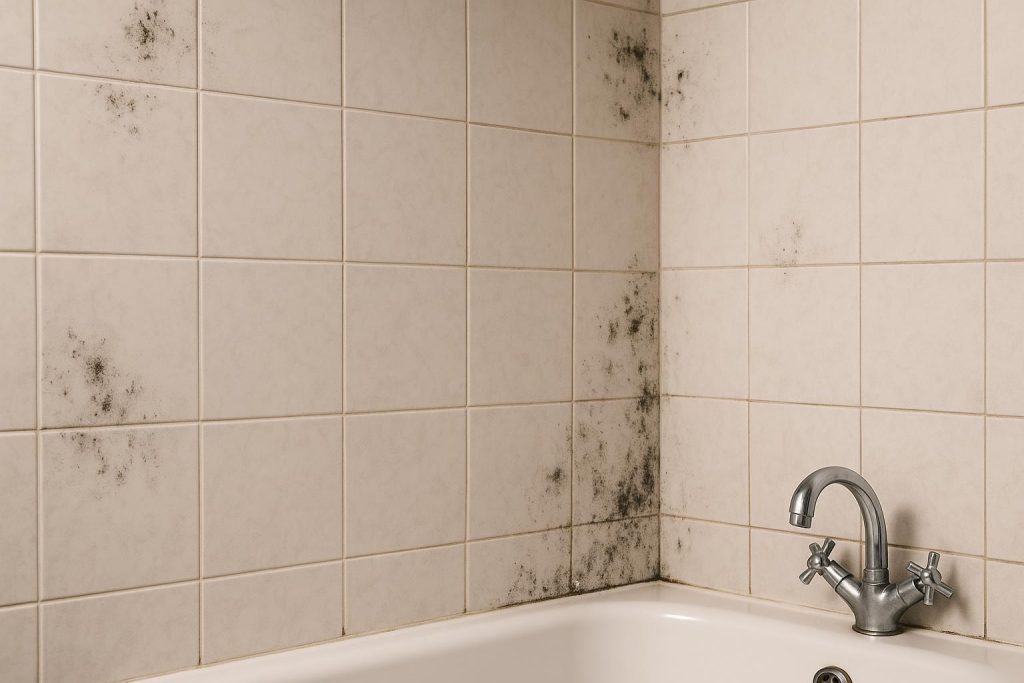
Understanding Black Mold: Challenges and Effective Removal Methods
Dealing with mold in the home can be stressful, especially if it’s the dreaded “black mold.” Though there is a common misconception that any dark-colored mold is automatically toxic, certain strains of mold—such as Stachybotrys chartarum—are known for their unpleasant appearance, musty odor, and potential health implications. When people notice black mold, they often worry not just about unsightly patches on walls or ceilings but also about how removing it might be complicated, hazardous, or expensive. In this comprehensive guide, we’ll explore why black mold often proves challenging to remove, how it develops in common indoor environments, plus practical tips and strategies for safe and effective remediation.
Why Black Mold Can Be Difficult to Remove
While all mold growth is cause for concern, black mold is notably resilient and can sometimes spread more quickly under the right conditions. Here are a few reasons why black mold can be difficult to remove:
- Moisture Issues: Mold thrives in damp environments. Areas prone to leaks, high humidity, or poor ventilation can create the perfect conditions for mold spores to flourish. Removing mold effectively often requires identifying and eliminating the source of moisture first. Otherwise, you may scrub away visible mold only to have it return.
- Hidden Growth: One of the biggest challenges is that mold can grow behind walls, underneath carpets, and in other hidden spots. This makes detection more difficult. You might notice a musty smell before you ever see the mold itself.
- Hard-to-Reach Surfaces: Black mold often appears on porous materials like drywall, insulation, wood, or even upholstery. These surfaces can soak up moisture, which means mold spores can root further into the material, requiring deeper cleaning or outright removal and replacement of the affected area.
- Spore Dispersion: Mold releases spores into the air. During cleaning, spores can become airborne and move to other parts of your home if you don’t take precautions. Containment is crucial in preventing mold from finding new surfaces to colonize.
The core takeaway is that addressing black mold is a multi-step process that involves finding and remedying underlying moisture problems, containing the growth, and carefully removing any contaminated material. Skipping any of these steps can lead to future outbreaks.
Health Risks Associated with Black Mold
It’s important to understand that mold sensitivity and reactions vary from person to person. Individuals with respiratory conditions—such as asthma—or those with weakened immune systems may be more susceptible to mold-related health issues. Some possible health impacts linked to black mold include:
- Allergy Symptoms: Many people experience sneezing, runny nose, red eyes, or skin irritation. These reactions can worsen over time if the mold problem is not resolved.
- Respiratory Problems: People with existing respiratory conditions might find their symptoms exacerbated, including difficulty breathing, coughing, and wheezing.
- Fatigue and Headaches: Persistent mold exposure in a living environment has been associated with feelings of fatigue and unrelenting headaches.
Concern about potential toxins has elevated black mold to near-mythical status in some circles, but the reality is that prolonged exposure to any mold can pose health risks. Taking prompt action, even if the suspected mold isn’t toxic, is usually the safest course of action.
Identifying Black Mold
Before jumping into removal, you’ll want to confirm whether you truly have a mold infestation, and if so, what kind. While professional testing is the definitive way to confirm mold type, here are some telltale signs that can help you determine if you have a black mold issue:
- Appearance: Often dark green, black, or brown in color, black mold tends to have a somewhat slimy texture when wet. As it dries, it can appear powdery.
- Musty Odor: An unpleasant, earthy smell might be the first hint of a mold problem, particularly if the mold is hidden behind walls or in crawlspaces.
- Location: Black mold commonly thrives in areas where moisture accumulates—bathrooms, basements, around leaky pipes or windows, and any patches of a home prone to condensation.
If you notice suspicious dark patches coupled with a persistent musty smell, consider taking immediate steps to test and remediate. Keep in mind that visible mold is often the “tip of the iceberg”; by the time you see it, you might be dealing with a more extensive hidden issue.
Steps for Safe Removal
Removing black mold can be done safely, but it’s important to follow certain guidelines to protect both your health and the structural integrity of your home. Here’s a step-by-step overview:
- 1. Assess the Scope: Before you start, determine the extent of the mold growth. If it covers a small area—roughly less than 10 square feet—you might be able to handle it yourself following proper safety measures. However, larger outbreaks or mold that lurks behind walls might require professional remediation.
- 2. Use Protective Gear: If you decide to tackle a small mold problem yourself, equip yourself with protective clothing, including gloves, goggles, and a mask or respirator rated for mold spores. This personal protective equipment (PPE) minimizes the risk of inhaling mold spores or transferring them onto your skin.
- 3. Isolate the Area: Prevent spores from spreading throughout your home. Close off doors, windows, and vents leading to other parts of the house. If possible, use clear plastic sheets and tape to seal the work zone. Keeping the area contained helps limit cross-contamination.
- 4. Remove Moldy Materials: Porous materials like drywall or carpet that are heavily infested may need to be cut out and thrown away. Non-porous surfaces—like tile or metal—can often be cleaned with a suitable cleaning solution (such as diluted bleach or a commercially available mold remover). Follow the product instructions meticulously.
- 5. Clean and Disinfect: As you eliminate the mold, use a scrub brush and cleaning solution on affected materials. Then, disinfect the area using a solution designed to kill remaining spores. Afterward, ensure that every surface is completely dried; lingering moisture can spark a new mold cycle.
- 6. Dispose of Waste Properly: Seal moldy debris in plastic bags before removing it from your home. This step prevents stray spores from escaping and settling elsewhere. Immediately wash or dispose of any sponges or rags used based on the severity of the mold contamination.
- 7. Dry and Ventilate: After cleaning, run fans or a dehumidifier to promote speedy drying. Good air circulation and low humidity levels discourage new mold growth.
Even with meticulous do-it-yourself steps, be aware that some mold issues run deeper than they appear. If the mold problem is extensive or recurs soon after you clean, you almost certainly need a professional inspection to identify structural or HVAC-related causes.
Prevention Strategies for a Mold-Free Home
Once you remove existing mold, the next step is preventing it from returning. Black mold is persistently drawn to damp, humid spots, so moisture control should be your top priority. Other key tips for prevention include:
- Ventilation: Properly vent bathrooms, kitchens, and laundry areas to reduce humidity. If you live in a region with colder winters—such as Edmonton—ensuring that your ventilation systems are working efficiently can be a big help.
- Regular Cleaning: Routine cleaning of bathrooms, basements, and other moisture-prone areas can help you spot early signs of mold growth. Wiping down surfaces that accumulate condensation and promptly washing fabric items (like bath mats) are also beneficial.
- Fix Leaks Immediately: Even a minor drip under a sink can lead to major mold trouble if left unchecked. Repair any leaks in pipes, roofs, or windows as soon as possible.
- Control Indoor Humidity: Aim to keep indoor humidity below about 50%. Using a dehumidifier in especially damp areas—like basements—can go a long way toward discouraging mold.
- Monitor Gaps and Seals: Check for cracks around windows, doors, and in your home’s foundation. Sealing these gaps helps keep moisture (and pests) out while maintaining a stable indoor environment.
When to Call a Professional
Despite your best efforts, some black mold scenarios simply call for expert help. If the affected area is larger than 10 square feet, or if you suspect the mold may be lurking deep within walls or air ducts, a certified mold remediation professional can provide a proper assessment and advanced cleaning solutions. Likewise, anyone concerned about potential structural damage or health risks should err on the side of caution and consult an expert.
If you’re dealing with a major change in your living situation, such as installing new fixtures or moving into a different home, you might also consider scheduling a specialized deep cleaning. For instance, homeowners in the Edmonton region often request move-in or move-out cleaning services to ensure their property is in top condition. While a standard cleaning service might not include mold remediation, hiring professionals can help you identify moisture-prone spots and clarify if additional measures are needed. If you’re looking for a thorough home refresh, consider exploring Move-In and Move-Out Cleaning or regular Residential Cleaning Services to maintain a healthy environment and keep potential mold issues at bay.
Black Mold Removal in the Edmonton Climate
Living in a region with frigid winters and higher humidity during the warmer months can influence how mold grows. Edmonton’s freeze-thaw cycles, along with potential rainfall during certain seasons, mean homeowners should stay especially vigilant about moisture accumulation in basements, attics, and windowsills. Checking for condensation on cold surfaces is a wise practice, and promptly addressing any water intrusion—such as a leaky roof or cracks in the foundation—will make black mold less likely to take hold.
Maintaining a Healthier Indoor Environment
A mold-free home supports better respiratory health, lowers stress, and looks more pleasant overall. In addition to controlling humidity and repairing water damage promptly, consider these tips for maintaining a healthier indoor environment:
- Declutter Regularly: Excess clutter can trap dust and hinder proper air circulation, potentially creating havens for mold and other allergens. Consider periodic decluttering or even professional organizing assistance to keep your spaces open and fresh.
- Check Filters and Ducts: Clean or replace HVAC filters on a recommended schedule to limit mold spores and other particulates from circulating. Also, consult a professional for duct cleaning if needed.
- Inspect Your Home Seasonally: A short walk-through each season can help you identify issues early. Look for water stains on ceilings, cracks in the foundation, or any new musty odors that might signal a leak or hidden mold growth.
Conclusion
Black mold, while often singled out for its dark and sometimes slimy appearance, is part of a broader issue of indoor mold growth that can thrive in damp conditions. Removing black mold tends to be more challenging than other molds because it often indicates deeper moisture problems and may spread quickly in the right environment. However, by understanding how it grows, performing regular home inspections, fixing leaks swiftly, and keeping humidity levels in check, you can drastically reduce the risk of mold taking hold.
In some cases, homeowners feel confident tackling small mold patches themselves using proper protective equipment and safe cleaning methods. Larger infestations or recurrent mold outbreaks, however, typically call for professional intervention. If you’re uncertain, it’s always better to consult an expert—a thorough evaluation can uncover hidden growth and ensure more comprehensive remediation steps. Coupled with ongoing, routine cleaning—especially in moisture-prone spaces—you can maintain a fresh, welcoming environment and spare yourself future hassles. Above all, whether you’re moving out, moving in, or simply trying to enjoy a healthier home, addressing even minor mold concerns quickly is the key to preventing bigger issues down the road.
