
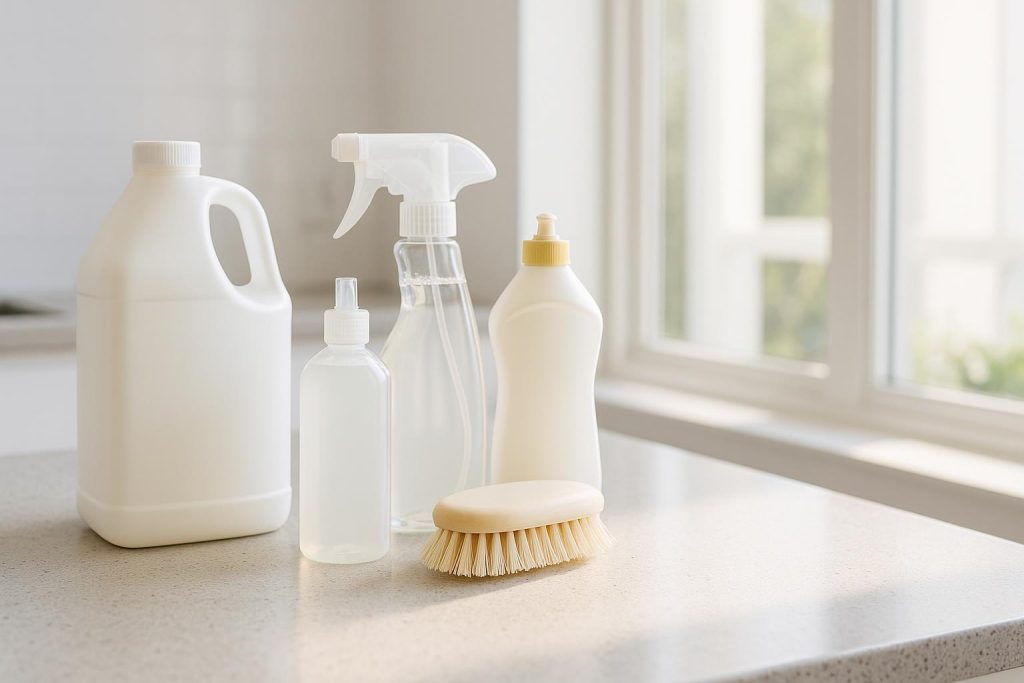
Understanding Which Cleaning Products Should Never Be Mixed
Mixing cleaning products might seem like an effective way to get a stronger, faster clean, but in reality, it can be extremely dangerous. Certain chemicals can react with one another in surprising ways, creating toxic fumes or even more hazardous byproducts. It’s not enough to assume that all household cleaners are compatible. In this in-depth guide, we’ll explore which products you should never combine, why these combinations are risky, and safe alternatives to keep your home fresh and your family protected.
Why Mixing Cleaning Products Can Be Dangerous
Before diving into specific combinations, it’s important to understand why mixing products can lead to unintended harm. Many cleaning products contain chemicals designed to tackle dirt, bacteria, grease, mold, or stains. When two or more products combine, their active ingredients can clash and form new compounds. These compounds may be highly toxic, corrosive, or flammable. Even when there isn’t an obvious reaction—like visible fumes—negative health effects can still occur. Inhaling trace amounts of toxic gas can irritate or damage your respiratory system, eyes, or skin.
Consider the fact that many common household brands aren’t formulated to work with other cleaners. Each label generally includes instructions and warnings to use the product by itself. If those instructions aren’t followed, penalties could range from mild irritations to major medical emergencies, depending on the chemicals involved.
Risks of Mixing Specific Household Products
While there are several dangerous combinations to avoid, there are a few especially common ones that homeowners frequently ask about. Here are the top culprits, complete with explanations of why they’re risky and what you should do instead.
-
Bleach and Ammonia:
This duo is well-known for creating toxic chloramine gas. Exposure can lead to coughing, shortness of breath, and even more severe respiratory damage. As soon as these two substances meet, they can start off-gassing. That’s why you should never spray a bleach-based product on a surface that might be contaminated with anything containing ammonia, such as glass cleaners or some polishes.
-
Bleach and Vinegar:
Although vinegar is a natural household cleaner, combining it with bleach produces chlorine gas. Chlorine gas was historically used as a chemical weapon in high concentrations, which should give you an idea of its potency and danger. Even a small amount can lead to burning in your eyes and throat, coughing, nausea, and further health complications. If you need a stronger cleaner, it’s safer to pick a specialized product or use bleach on its own, following instructions carefully.
-
Hydrogen Peroxide and Vinegar:
Hydrogen peroxide is known for its disinfecting capabilities, and vinegar is praised for its gentle but effective cleaning properties. However, when combined in the same container, you can inadvertently produce peracetic acid. This acid can be corrosive to your eyes, skin, and respiratory system. It can damage many surfaces and pose a significant risk to your wellbeing. If you love using these two cleaners, use them in separate steps—apply one, let it dry, then follow up with the other separately if absolutely needed.
-
Drain Cleaners with Other Drain Cleaners:
Drain cleaners often contain strong chemicals designed to eat through clogs. Mixing more than one brand can lead to violent reactions. These reactions can produce excessive heat, foaming, or worse—causing the chemicals to explode out of the drain. Even if you don’t see an immediate reaction, this concoction can generate harmful fumes that linger in enclosed spaces like bathrooms or kitchens. If one drain cleaner doesn’t solve the blockage, it’s better to seek professional help than to keep experimenting with different products.
-
Bleach and Rubbing Alcohol:
Combining bleach and rubbing alcohol can create a compound called chloroform. In high enough concentrations, chloroform is incredibly hazardous and can cause unconsciousness, dizziness, or nausea. While chloroform is more dangerous in large quantities, there is still no safe reason to deliberately combine these products. They simply aren’t intended to work together, and there’s always a safer approach.
The Importance of Reading Labels
Always check a product’s label before using it. Labels include crucial information about the intended application, safety guidelines, and what not to do. For example, products that contain bleach usually have clear warnings, such as “Do not mix with acids or ammonia.” Additionally, the label’s precautions can help you identify whether the product can damage certain surfaces or emit harmful fumes. If you’re ever in doubt, err on the side of caution and consider using a single product or a brand-new tool for that specific job.
It’s also a good idea to store cleaning solutions in their original containers, complete with the original label. If you repackage them, there’s a higher chance of forgetting or not noticing critical warnings. Keep them out of reach of children and away from pets to further ensure everyone’s safety.
Practical Steps to Stay Safe at Home
Preventing dangerous chemical reactions doesn’t have to be difficult or time-consuming. With a few careful habits, you can clean effectively and protect your household:
- Ventilate Your Space: Even when using a single product, open windows or turn on fans to disperse vapors. This is especially important in small spaces like bathrooms and laundry rooms.
- Use Gloves and Protective Gear: Protective gloves (nitrile or rubber) will prevent accidental chemical burns or skin irritation while cleaning. Safety goggles or protective eyewear are also wise if you’re cleaning with potent chemicals.
- Follow Product Instructions: Stick to the usage directions on each label. These often detail the correct quantity, dwell time (how long to leave the cleaner on a surface), and any rinsing steps required.
- Start with Mild Solutions: If you’re worried about mixing chemicals, try milder alternatives. Soap, water, and microfiber cloths can be surprisingly effective for many household tasks. Look into eco-friendly or specialized cleaning formulas that work well on their own.
- Avoid Spraying Multiple Products at Once: If one product doesn’t work, rinse and dry the area thoroughly before applying a new product. This helps reduce the risk of chemical overlap.
- Promptly Clean Up Spills: If you drip one product on a surface that might contain residue from another substance, wipe and rinse the area immediately to prevent unwanted mixing.
Alternatives to Hazardous Combinations
It’s understandable to want extra cleaning power for stubborn grime or surface stains. However, “doubling up” by mixing two potent cleaners isn’t the wisest move. Instead, consider these safer solutions:
- Use Enzymatic Cleaners: Enzymatic solutions target organic matter like grease or food residue without mixing corrosive chemicals. They break down the grime at a molecular level, and you can apply them repeatedly for stronger results without fear of a toxic reaction.
- Try Steam Cleaning: A steam cleaner (or even a handheld garment steamer) can loosen embedded dirt in carpets, upholstery, or tiled surfaces. Steam cleaning helps avoid the need for heavy chemical usage altogether and reduces residue.
- Look for Multi-Purpose Cleaners: Some brands offer multi-purpose or all-in-one cleaners designed to handle multiple types of dirt and bacteria in one formula. These products are safer than mixing two or three separate chemicals.
Considering Professional Help
If you find yourself confused by labels or worried about chemical interactions throughout your home, professional cleaners can help ensure that your living space remains tidy and safe. For instance, if you’re in or near Edmonton, you might consider reaching out to a trusted, local cleaning company that’s experienced in using the correct products for each surface. Whenever you have major concerns about tough stains, mold, or other persistent problems, letting experts handle the job can protect both your home and health.
Relying on a trained crew can also free up your schedule and lighten the responsibility. If you’d rather keep your hands off harsh chemicals, or you need a comprehensive cleaning strategy you can count on, a trusted service can provide exactly that. Families with kids, seniors, or pets often appreciate knowing that no harmful mixtures linger in the home.
Safe Cleaning for a Range of Needs
Not all cleaning situations are the same. Different tasks may call for different products—even specialized ones. However, there are times when you might worry about complicated jobs like move-in or move-out cleaning, deep kitchen sanitizing, or after-renovation cleanup. In these situations, stress or deadlines can lead to hasty cleaning choices. If you’re dealing with a more intensive project, always make sure to:
- Stay Organized: Label bottles, set out all necessary supplies, and finalize your plan so you don’t accidentally grab the wrong product and spray it on an unclean surface.
- Read Each Instruction Carefully: Some cleaners need a quick rinse; others need a few minutes to work. Following these guidelines prevents overlapping chemicals in the same area at the same time.
- Consider Professional Services: For example, if you’re preparing for a move, you could look into move-in and move-out cleaning options. Professional help is invaluable when you’re trying to pack, coordinate schedules, and ensure you don’t expose yourself, any new occupants, or children and pets to harmful residue.
How Fussy Cleaning Practices Can Benefit You
For those seeking a thorough but low-risk approach, it can be comforting to know that some locally owned and detail-oriented cleaning businesses, including Fussy Cleaning Services, are dedicated to using safe and effective methods. Our team members are trained on which products to use, where, and how to ensure surfaces remain spotless without the guesswork of mixing household chemicals. Where possible, we also prioritize using gentler solutions that still kill germs and remove stains. Whether it’s a residential cleaning project or a more targeted service, it’s helpful to know our staff are mindful of avoiding risky chemical combinations.
With flexible scheduling, a friendly, professional persona, and thorough training, an experienced team can save you from the potential hazards of experimenting with multiple cleaners. We put care into every aspect of the cleaning process, aiming for a safer, fresher, and more comfortable home environment—without exposing you to harmful fumes.
When in Doubt, Ask for Assistance
Even with the guidelines above, you may feel uncertain about certain products—especially if you’re not used to checking labels or reading chemical compositions. Rather than risking your health by mixing questionable products, reach out to professionals or consult reputable resources. Knowledge is crucial when it comes to using the right cleaner for each job. If you ever notice unusual odors or reactions after cleaning, ventilate the area immediately and consider seeking medical advice if you develop symptoms like persistent coughing or skin irritation.
Key Takeaways for a Safer Cleaning Routine
- Mixing Is Rarely Necessary: A single well-chosen product often does the job without complications.
- Labels Are Full of Clues: Following the do’s and don’ts on the label saves time, protects surfaces, and reduces the risk of toxic reactions.
- Bleach Combines Poorly: Bleach is especially risky to mix. Keep it separate to avoid creating hazardous gases.
- Proper Disposal Matters: Dispose of old or unused products correctly so you don’t accidentally combine them with new ones.
- Professional Support: If tasks become overwhelming or dangerous, look into a reputable cleaning service with knowledge of safe practices.
In the end, it’s easier to focus on a few trusted cleaning methods than to juggle multiple chemicals. This approach not only guards you and your loved ones against the immediate risks of inhaling fumes but also preserves the long-term health of your home. Whether you choose to clean solo or schedule services with a trusted, local cleaning team, keep safety front and center.
By understanding which products shouldn’t be mixed, you’re already taking a proactive step toward a cleaner, healthier living space. Keep your cleaning routine simple, purposeful, and informed by best practices. If you do need assistance for bigger tasks or have questions about a product’s compatibility, feel free to reach out for help. After all, a little knowledge goes a long way in creating a safe, stress-free environment for everyone under your roof.
