
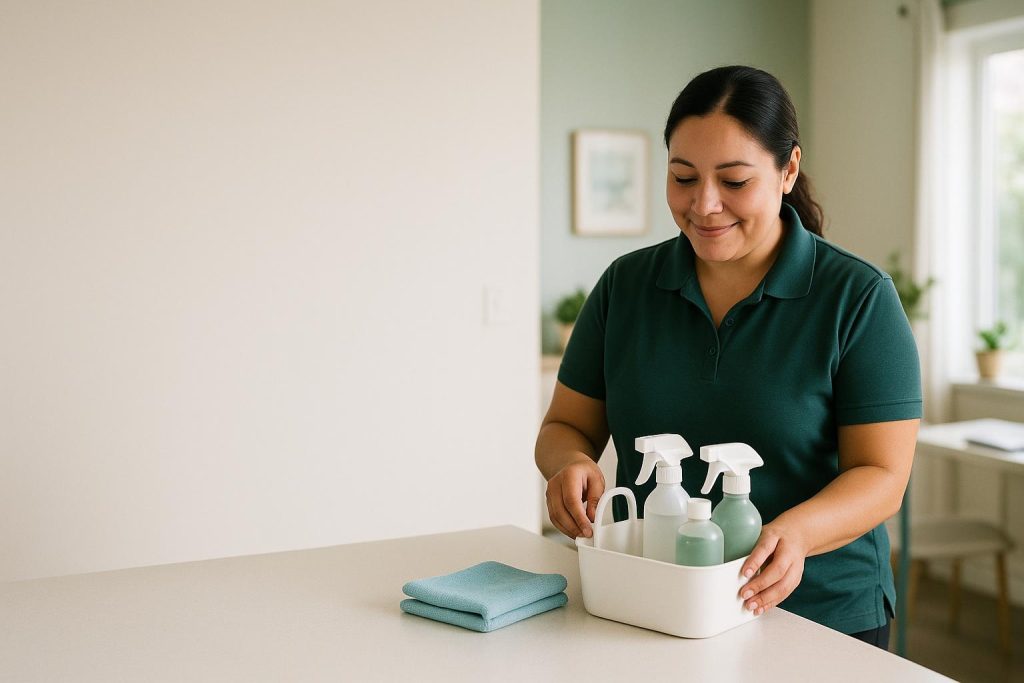
Smart Ways to Keep Recurring Home Cleaning Affordable
Yes. There are several practical ways to lower the cost of recurring cleaning appointments without giving up the dependable help that makes life easier. The best approach is not always to choose the lowest price. It is to build a realistic cleaning plan that matches your home, schedule, and priorities. A well-planned recurring service can help prevent heavy buildup, reduce the time needed at each visit, and give you a more predictable household expense.
For busy families, professionals, seniors, and anyone with a full schedule, professional cleaning is often about getting time and peace of mind back. The key is to pay for the tasks that make the greatest difference in your daily life. With flexible scheduling, clear priorities, and good communication, recurring house cleaning can remain a valuable and manageable part of your routine.
Choose a schedule that prevents buildup
One of the most effective ways to manage recurring cleaning costs is to choose the right visit frequency. Weekly, biweekly, and monthly service can all work well, but the right option depends on how quickly your home gets used. Regular maintenance cleaning is often more efficient than occasional visits because cleaners can maintain a baseline rather than spend each appointment catching up on months of dust, soap scum, and clutter.
A weekly appointment may make sense for homes with young children, pets, allergies, several occupants, or a busy kitchen. A biweekly schedule is a popular middle ground for many households. Monthly cleaning may work for a smaller home, a quieter household, or someone who is able to keep up with basic tasks between visits.
There is no single schedule that is right for everyone. It is helpful to compare the cost of regular maintenance with the time and effort involved in cleaning on your own. You can also learn more about whether one-time deep cleaning or regular maintenance visits are more affordable for your situation. In many homes, consistent visits reduce the need for frequent, more intensive cleaning sessions.
Start with a realistic first clean
If it has been a while since your home was professionally cleaned, an initial deep clean may be useful before beginning recurring visits. This first appointment can address buildup in bathrooms, kitchens, floors, baseboards, and other high-use areas. Once the home has a clean starting point, maintenance appointments are usually more focused and easier to plan.
That does not mean every home needs the same level of service. Be honest about the current condition of your space when requesting a quote. Clear information helps the cleaning company allow enough time and recommend a plan that makes sense. Trying to fit a major catch-up clean into a short maintenance visit can lead to rushed work or an unexpected adjustment later.
Focus the cleaning plan on rooms you use most
You do not have to clean every room in the house at every appointment. A personalized service plan can keep recurring cleaning costs in line by focusing on the spaces that affect your everyday comfort most. For many people, that means the kitchen, bathrooms, main living area, entryway, and frequently used floors.
Guest rooms, formal dining rooms, storage areas, and other low-use spaces may need less frequent attention. You might arrange for those rooms to be cleaned once a month, every few visits, or only before guests arrive. This keeps regular appointments focused on the areas where dirt and mess return most quickly.
It is also worth deciding which tasks matter most to you. Some clients care most about sanitized bathrooms and a spotless kitchen. Others want pet hair managed, floors vacuumed, or beds changed. If budget is a concern, ask about a plan that gives priority to those essentials. Our guide on customizing a cleaning plan by focusing on specific areas can help you think through those choices.
- High-priority areas: kitchens, bathrooms, entryways, living rooms, and main floors.
- Lower-frequency areas: spare bedrooms, formal spaces, interior cabinets, and storage rooms.
- Optional tasks: laundry, dishes, organizing, and other extras that can be scheduled when needed.
Do a quick reset before each visit
Professional cleaners are there to clean, but a simple pre-visit reset can help them use their time well. You do not need to clean before a cleaner arrives. That defeats the purpose. Instead, try to remove items from floors, counters, and surfaces when possible. Put away clothes, toys, mail, and personal items that may slow down access to the areas being cleaned.
This small step gives a detail-oriented cleaning team more time for actual cleaning rather than sorting through belongings or moving items from place to place. It can also help prevent missed surfaces. If clutter is a regular challenge, consider booking dedicated help rather than trying to fit a large organizing project into every cleaning appointment. Fussy Cleaning offers organizing and de-cluttering support for households that would benefit from a more lasting reset.
Between appointments, simple habits can also make a noticeable difference. Wiping kitchen spills, rinsing the sink, running a quick vacuum in high-traffic areas, and dealing with pet accidents promptly all help keep dirt from becoming harder to remove. These are not replacements for professional cleaning. They simply help your regular service stay focused on maintenance.
Use add-ons thoughtfully instead of automatically
Add-on services can be very helpful, especially during demanding seasons of life. Laundry, dishwashing, interior appliances, and organizing support may save real time. However, adding every extra task to every appointment can increase the total cost. A better approach is to use extras with purpose.
For example, you may book laundry help during a busy work period, request interior cabinet cleaning before a holiday, or add dishwashing after hosting guests. If an add-on is important to your routine, ask whether it can be scheduled less often or built into a custom plan. The goal is not to skip useful help. It is to use it when it has the most value for your household.
Ask what is included and compare value clearly
When looking for affordable house cleaners, it is important to understand exactly what a quoted price includes. A lower starting price may not be the best value if it leaves out the rooms or tasks you need most. Before booking, ask about the cleaning checklist, the expected visit length, supplies, add-on pricing, and how changes to the home’s condition are handled.
Professional cleaners commonly bring their own standard cleaning supplies and equipment, which may save you the cost and hassle of stocking products. Still, every company and service plan can differ. Read more about whether house cleaners provide their own supplies and how that can affect costs. If you have allergies, preferred products, or delicate surfaces, discuss those needs in advance.
Value also includes reliability, insurance, training, and consistent results. A trusted local team that arrives as planned and follows your instructions can save stress, time, and the cost of having to redo work. If something does not meet expectations, speak up promptly and clearly. Here is helpful guidance on what to do when cleaning quality does not meet your expectations.
Keep access and instructions simple
A smooth appointment helps everyone. If possible, provide clear entry instructions, secure pets, and let the team know about rooms that are off limits. Share any important details before the visit, such as delicate finishes, product preferences, or areas that need extra attention. Clear notes reduce confusion and help cleaners begin work right away.
It also helps to keep your recurring plan consistent. Frequent changes in scope, room access, or priorities can make it harder to estimate time and maintain a predictable cost. Changes are sometimes necessary, of course. Just try to communicate them ahead of time so the team can plan properly.
Consider your home size, lifestyle, and seasonal needs
The most cost-effective cleaning plan is one that fits your real life. A two-bedroom condo with one occupant will have different needs than a family home with pets and children. A home office, frequent cooking, mobility concerns, shedding pets, and allergy needs can all affect how often cleaning is helpful.
Seasonal adjustments can also keep costs sensible. You may want more frequent help during a busy school term, after a new baby arrives, or during winter when mud and snow are tracked indoors. During quieter periods, you may be able to move to a less frequent schedule. Flexible scheduling makes it easier to adapt your plan without losing the benefits of a clean, comfortable home.
If you are moving, it is usually best to book a service designed for that job rather than trying to stretch a recurring visit into a move clean. Dedicated move-in and move-out cleaning addresses the detailed needs of an empty home and can help make the transition smoother.
Build a plan around what saves you the most time
Recurring cleaning is most affordable when it solves the right problem. Think about the chores that regularly cause stress, take too long, or are physically difficult. Perhaps bathrooms never get the attention they need, floors are hard to keep up with, or the kitchen feels overwhelming after a long week. Put those tasks at the centre of your plan.
Fussy Cleaning provides flexible, personalized residential cleaning services for Edmonton-area households. A custom quote can help you choose the right frequency, priority rooms, and occasional add-ons without paying for a one-size-fits-all package. Service is also available in Edmonton, St. Albert, and Fort Saskatchewan.
The bottom line: Lowering recurring cleaning costs is usually about smart planning, not cutting out the help you need. Choose a practical schedule, focus on high-use areas, reset clutter before visits, use extras only when they add value, and keep communication open. When you are ready, you can request a custom quote and create a cleaning routine that supports your home, your time, and your budget.
